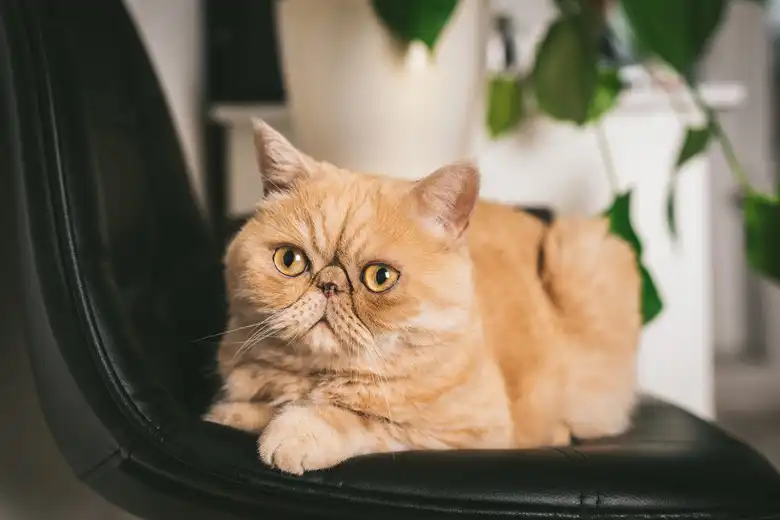
Exotic Cat Breed Characteristics
CatsCat BreedsExotic Cat Breed CharacteristicsByKatherine MaloneJan 4, 2023 12:03 pm ESTArx0nt/iStock/GettyImages #pd8cce402809279b35696b8a89c98db40, #pd8cce402809279b35696b8a89c98db40 img { aspect-ratio: 4850/3237; height: auto; } In This ArticleExotic cat quick factsExotic cat historyExotic cat personalityExotic cat lifespan & health issuesExotic cat grooming & careWelcoming a new catExotic cat quick factsExotic cat quick factsLength: 11 – 16 inchesWeight: Females: 6 to 10 pounds, Males: 7 to 14 poundsLifespan: 12 – 16 yearsCoat length: ShortColoring: All coat colors and patternsMore Like ThisCatsDevon Rex Cat Breed CharacteristicsCatsHimalayan Cat Breed CharacteristicsCatsTonkinese Cat Breed CharacteristicsGrooming needs: MediumFriendliness: Breed alone is not an accurate predictor of individual cats' personalities. However, exotic shorthair cats are generally regarded as quiet and gentle.Developed as a cross between an American shorthair and a Persian cat, the exotic shorthair cat has the stunning looks of a Persian cat but with fewer grooming requirements. The breed has a plush coat that makes cuddling with these affectionate cats a joy. Exotics tend to be very quiet, but you are sure to be drawn in by their large, expressive eyes. If you are looking for a laidback cat to join your family, the exotic cat may be a great choice. Carefully consider the breed's personality, care requirements, and health concerns before bringing a new exotic kitten into your home.© copyright 2011 Sharleen Chao/Moment/GettyImages #ee4787b414deeaeff7867c65c15d5db34, #ee4787b414deeaeff7867c65c15d5db34 img { display: block; aspect-ratio: 1.5Exotic cat historyExotic cat historyThe exotic cat breed is a new breed that was developed in the 1950s when cat breeder, Carolyn Bussey, crossed a Persian cat with an American shorthair. Her goal was to create a brown Persian, and while she didn't achieve that goal, she was pleased with the resulting kittens.American shorthair breeders also crossed an American shorthair with a Persian cat. Their goal was to get bring the silver coloring and green eyes to the American shorthair breed. While the resulting kittens did have the silver color, they had a body type and face that resembled the Persian breed rather than American shorthairs. Breeding programs used outcrosses with Burmese and Russian blue cats to obtain the desired coloring.The breed was originally called Sterling but was later changed to exotic. All coat colors and patterns are accepted, including calico and tabby. The Cat Fanciers' Association (CFA) granted exotics championship status in 1967. With the exception of their short coat, exotics have much the same breed standard as the longhair Persian cats. Some of the breed's most prominent characteristics include:large, round eyesround headflat faceExotic cat personalityExotic cat personalityThe exotic shorthair personality is endearing and affectionate. This breed of cat tends to be quiet and gentle. They vocalize with chirps and a pleasant meow, although they don't speak often. They love cuddles and enjoy being lap cats. This laidback breed gets along well with all members of the family, including other pets and small children.Kittens are very playful and while adult cats tend to be much less active, they still enjoy playing with simple toys. A crumpled ball of paper can provide plenty of entertainment for the cats. You may even find them mesmerized by dripping water.ArnonPT/iStock/GettyImages #e25145bf6e98d14c27270bff47adb4828, #e25145bf6e98d14c27270bff47adb4828 img { display: block; aspect-ratio: 1.5Exotic cat lifespan and health issuesExotic cat lifespan and health issuesA healthy exotic cat can live into their teens. The breed can experience health problems primarily because they are brachycephalic, which means they have a short head or short nose. Since their respiratory tract is shorter than other cat breeds, exotics are more prone to overheating as well as difficulty breathing or other respiratory issues. In addition, the cats have large eyes that protrude slightly. This leaves them susceptible to eye injuries.Exotic cat grooming and careExotic cat grooming and careThe exotic cat has the nickname "lazy man's Persian" for a reason. The cats have a beautiful, plush coat with a thick undercoat that rarely tangles or mats and is very low maintenance. Weekly brushing is recommended to remove loose hair. Brush the cat more frequently in the spring when the cat is shedding.Other grooming tasks include:checking and trimming the cat's nailscleaning the cat's earsbrushing the cat's teeth with a veterinarian-approved pet toothpasteWhile you only need to brush the exotics coat once per week, their eyes and face need daily attention. Use a soft, clean cloth to clean their eyes. This removes the dirt that may irritate the eye and prevents tear stains. Also, wipe any dirt from the folds on the cat's face.Feed the cat a high-quality commercial cat food as recommended by your veterinarian. Some exotics are prone to obesity, so avoid a free-feeding diet. Make sure the cat has fresh drinking water available at all times. For safety, keep your cat indoors. This reduces the risk of injury and keeps the cat out of the heat.JeepFoto/iStock/GettyImages #ebb089e99de31716599754d6eb3abe9ee, #ebb089e99de31716599754d6eb3abe9ee img { display: block; aspect-ratio: 1.5098039215686Welcoming a new cat into your homeWelcoming a new cat into your homePicking out a new exotic kitten to join your household is an exciting event and waiting for them to be ready to come home can be a challenge. But there is plenty to do to make sure your home is ready to welcome the new kitten. Start by cat-proofing your home to make sure it is safe. Remove any poisonous plants and small items like rubber bands that your new kitten may choke on.Prepare a single room where your new cat can get comfortable in their new surroundings. Make sure you close off any small spaces, such as under a rocking chair or gaps between large pieces of furniture like bookshelves, where your new cat may get stuck or injured. Set up the room with all of the supplies your cat may need including:food and waterlitter boxcat treecat toysAllow your new cat to explore the room at their own pace. It is a good idea to sit with your new cat, talk to them, and offer to play. However, you shouldn't hold them and make them be petted. Instead, offer plenty of positive reinforcement and wait for them to come to you for affection — when they are ready.If you have other pets in the household, introduce them slowly. Make sure it is a good experience for both pets. When your new cat is ready, you can open the door and allow them access to the rest of the house. Before you know it, the affectionate exotic cat will be accompanying you around the house. They will enjoy cuddles and affection when you relax at the end of the day.ReferencesThe International Cat Association: Exotic Shorthair Breed
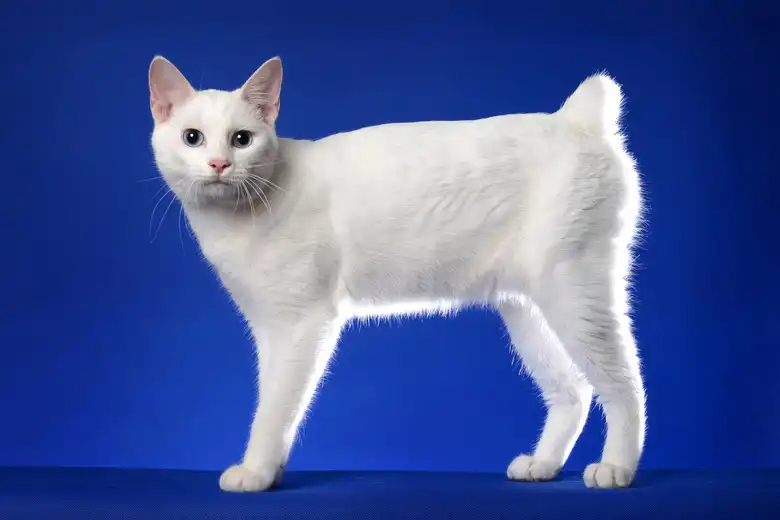
Japanese Bobtail Cat Breed Characteristics
CatsCat BreedsJapanese Bobtail Cat Breed CharacteristicsByKatherine MaloneMar 9, 2023 12:03 pm ESTfuiyau yap/iStock/GettyImages #p6116c2d519bbd46e84e828de1393845d, #p6116c2d519bbd46e84e828de1393845d img { aspect-ratio: 3802/2538; height: auto; } In This ArticleJapanese bobtail cat quick factsJapanese bobtail cat historyJapanese bobtail cat personalityJapanese bobtail cat lifespan & health issuesJapanese bobtail cat grooming & careWelcoming a new catJapanese bobtail cat quick factsJapanese bobtail cat quick factsLength: 12 – 16 inchesWeight: Females: 5 – 7 pounds, males: 7 – 10 poundsLifespan: 9 – 13 years or moreCoat length: Short or longColoring: Many colors and patterns, including solid, calico, tri-color, and bi-colorMore Like ThisCatsKhao Manee Cat Breed CharacteristicsCatsAbyssinian Cat Breed CharacteristicsCatsNorwegian Forest Cat Breed Information, Personality & CareGrooming needs: Low to mediumFriendliness: Breed alone is not an accurate predictor of individual cats' personalities. However, Japanese bobtail cats are generally regarded as loving and playful.The Japanese bobtail cat is a medium-sized cat and this ancient breed, which is native to Japan, is believed to bring good luck. In fact, you may have seen a figurine of a Japanese bobtail with a raised paw. This is a maneki-neko or beckoning cat. The breed also has a marvelous personality and these active and social cats are sure to bring joy and entertainment to your home. The breed is healthy and easy to care for, so if you are looking for a cat that loves to interact, the Japanese bobtail may be the breed for you.NancyAyumi/iStock/GettyImages #e4d688ffa774ddbdb970454473e523cc3, #e4d688ffa774ddbdb970454473e523cc3 img { display: block; aspect-ratio: 1.5Japanese bobtail cat historyJapanese bobtail cat historyDomestic cats were first brought to Japan from China or Korea, likely by Buddhist monks between 600 and 700 A.D. Paintings and sketches dating back to the 1500s show images of the Japanese bobtail, including a painting of two longhaired Japanese bobtail cats that is displayed in Washington, D.C. at the Smithsonian Institution's Freer Gallery of Art.The Japanese bobtail breed was used in the 1600s to get rid of rats that were threatening the silk trade by causing damage in silkworm barns. In Japan, the breed is still a common street cat. Elizabeth Freret brought the breed to the United States in 1968. The Cat Fanciers' Association (CFA) accepted shorthair Japanese bobtail cats for championship status in 1976 and longhair Japanese bobtail cats in 1993.The Japanese bobtail is not the only breed of short-tailed cats but they are different from the American bobtail and Manx cat breeds. Some distinguishing features noted in the breed standard include:a triangular-shaped headhigh cheekbonesupright earsoval eyeshind legs that are longer than the front legsThe breed comes in a wide range of patterns and colors. You may see solid colors such as white, cream, blue, red, chocolate, and black. The Mi-Ke, or calico, coloring is one of the most well-known colors for the breed. This is a unique tri-color calico coat pattern. The breed also comes in bi-color and tabby patterns. Any eye color is allowed, including blue and odd eyes, but the eye color should complement the coat color.The short tail that gives the cat its name is every bit as unique as the breed. No two cats have the same tail. The tail must be visible, but no more than 3 inches long, and have a pom-pom appearance. The cat's tail will often have kinks and curves.Japanese bobtail cat personalityJapanese bobtail cat personalityThe Japanese bobtail would not be described as a lap cat, but that doesn't mean they don't enjoy snuggling with you or crawling under the covers at night. The cats are quite active and having longer back legs means they are excellent jumpers. Expect your Japanese bobtail to run and jump around the house. Consider cat trees or wall shelving that will allow your cat to play.This breed is intelligent and curious. They will explore every corner of your home. Keep them engaged positively with plenty of play and interactive toys, such as puzzle toys. You can also teach these cats tricks with plenty of positive reinforcement. If you are interested in a social sport with your cat, consider feline agility, as this breed excels at agility skills.The breed gets along well with children and other pets in the household. They tend to vocalize frequently with melodic chirps and meows. They are people-oriented, so it is best not to leave these cats alone for long periods of time. Fortunately, they usually travel well, so consider taking them with you when you take a long weekend away.JordiStock/iStock/GettyImages #e165845534f9d657df84dd4bafaa5b291, #e165845534f9d657df84dd4bafaa5b291 img { display: block; aspect-ratio: 1.8285714285714Japanese bobtail cat lifespan and health issuesJapanese bobtail cat lifespan and health issuesThe Japanese bobtail is generally a healthy cat that can live 13 years or longer with proper care. There are no known genetic health problems that affect this breed. As with all cats, make sure you take the Japanese bobtail in for regular veterinary check-ups and ensure they stay up-to-date on all recommended vaccinations and parasite treatments.Japanese bobtail cat grooming and careJapanese bobtail cat grooming and careJapanese bobtail cats have silky coats that usually stay free of tangles and mats. Neither the short nor long hair variety has an undercoat which makes grooming easy and means that the cats don't shed as much as some other breeds. Brush or comb the cat's fur regularly to remove any dead hairs. Longhaired Japanese bobtails may need more frequent brushing than shorthair cats, and you may need to brush the cats more often when they are shedding their coat.In addition, take time to:check and trim the cat's nailsclean the cat's earsbrush the cat's teeth with a toothpaste that is veterinarian-approvedFeed high-quality cat food as recommended by your veterinarian and make sure clean water is available at all times.kanzilyou/iStock/GettyImages #e9064dc93333725519a29d7d5f30bf7a7, #e9064dc93333725519a29d7d5f30bf7a7 img { display: block; aspect-ratio: 1.5Welcoming a new cat into your homeWelcoming a new cat into your homeBringing a new kitten or cat into your home is an exciting event, and it is important to take some time to prepare the home before they arrive. Cat-proof the house to remove any toxic plants and anything else that is a danger to your new cat. Remember that these cats are curious and athletic, so don't forget tall shelves and the top of cabinets, and your refrigerator.Prepare a safe room where your cat can adjust to the new environment and get comfortable with both the human and animal members of your household. Make sure the space has everything your cat may need, including:food and waterlitter boxscratching postcat treetoysAllow your cat to explore at their own pace. Don't hold them to be petted until they are ready. Fortunately, these social cats are likely to warm up to you quickly. When your cat is comfortable, open the door to allow the cat access to more of the house. Before you know it, your Japanese bobtail cat will be a playful companion who may even bring good fortune to your life.ReferencesCatster: Japanese BobtailCat Fanciers' Association: Japanese Bobtail Breed StandardThe International Cat Association: Japanese Bobtail at a GlanceCat Fanciers' Association: About the Japanese Bobtail
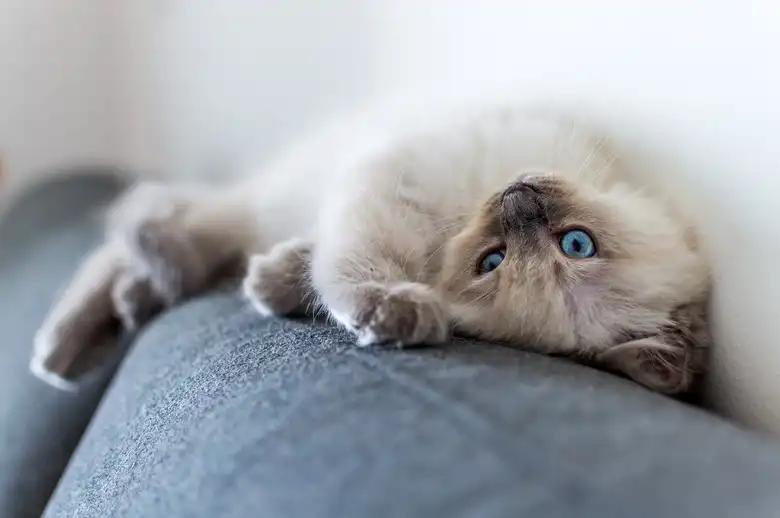
What Is The Ragdoll Cat Price? Here's How Much Ragdoll Cats Cost
CatsCat BreedsWhat Is The Ragdoll Cat Price? Here's How Much Ragdoll Cats CostByPaige CerulliUpdated Mar 16, 2023Lachy_Bartholomew/iStock/GettyImages #pf7ae87813110f6c510cf0b727cd0f34e, #pf7ae87813110f6c510cf0b727cd0f34e img { aspect-ratio: 6016/4000; height: auto; }If you're looking for a loving, laid-back, beautiful cat to add to your home, the Ragdoll cat might be an ideal choice. Not only are these cats striking to look at, but they have many temperament traits that make them desirable as a family pet. But because Ragdolls are a highly desired yet specialized breed, buying one will cost more than you'd pay for some other purebred cats.The cost of Ragdoll catsThe cost of Ragdoll catsRagdolls certainly aren't the cheapest breed of cat to buy. Ragdoll kittens can cost $400 each, while show-quality cats may be priced at $2,000 or more. Prices will vary according to the breeder and the quality, age, and show record, if any, of the cat that you're considering.The high cost of these cats is due to a number of factors, including the demand for these unique cats and the costs associated with maintaining a breeding program. Breeders who have show-quality cats can also charge higher costs for their kittens and cats. Ragdolls are prone to a heart condition called hypertrophic cardiomyopathy, so a reputable breeder should perform DNA tests on her breeding stock to make sure that the trait isn't passed down to kittens.Adopting a Ragdoll catAdopting a Ragdoll catWhile the cost of purchasing Ragdoll kittens or cats can be prohibitive, you may be able to adopt a Ragdoll for a fraction of the price that you would pay when buying one from a breeder. Shelters and animal rescues do occasionally have Ragdoll cats, and you can adopt a cat for between $75 and $100. You may also come across Ragdoll mixes in shelters, or you could potentially find cats who are now retired from breeding and who need new homes.Adopting a cat offers additional benefits over buying. When adopting an adult Ragdoll, you'll already have a sense of that cat's personality. If you buy a kitten, you won't really know what that cat's personality will be like until he's an adult. An adopted cat will also already likely be spayed or neutered, saving you additional veterinary expenses.Finding your new catFinding your new catIf you'd like to add a Ragdoll to your family, you'll have a few different options. If you would like to try to give a cat in need a new home, check your local shelters to see if they have any Ragdolls available. You may need to check repeatedly over a period of months or even years, but Ragdolls do come through shelters on occasion, and this can save you significant money over buying a kitten from a breeder.You can also look for reputable breeders in your area and contact them to find out about buying a kitten or potentially buying a retired breeding cat. While you'll get to spend more of your years with a cat that you get as a kitten, breeders may be willing to retire their breeding cats to a good home for a minimal cost.While buying a Ragdoll can be expensive, many cat owners feel that these cats' friendly, laid-back personalities make them well worth the investment. You'll need to consider your budget and what you're looking for in a cat to decide whether the Ragdoll is right for you.ReferencesCertaPet: Ragdoll Cats: The Elegant and Loyal Furry BreedAdopt a Pet: Ragdoll Kittens and Cats
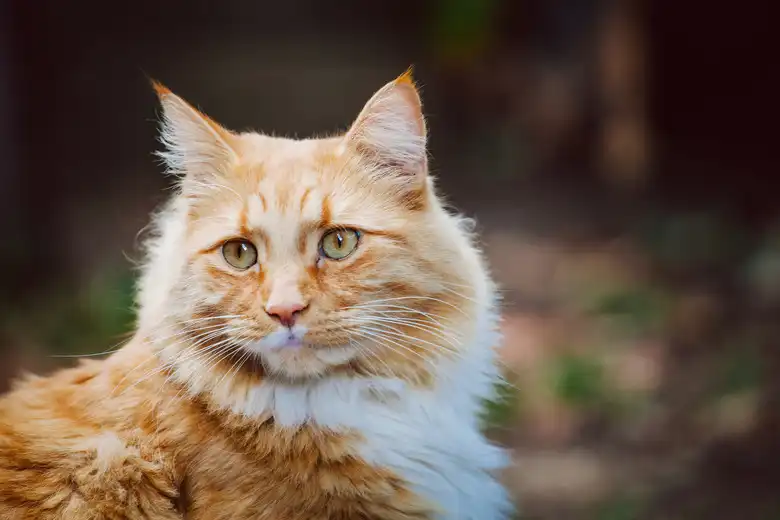
Facts On Orange Tabby Cats
CatsCat BreedsFacts On Orange Tabby CatsByBetty LewisUpdated Apr 15, 2022Tsvi Braverman / EyeEm/EyeEm/GettyImages #p0f82b9c1291b2f477cec43999e6bfe00, #p0f82b9c1291b2f477cec43999e6bfe00 img { aspect-ratio: 4711/3141; height: auto; }If you're on the hunt for orange tabby cat facts, you'll have to focus on his looks, rather than personality. Personality varies from cat to cat, having little to do with coat pattern or color. One interesting orange tabby cat fact is that most of these guys are guys—approximately 80 percent of orange tabby cats are male.Famous ginger orange tabby catFamous ginger orange tabby catGinger, marmalade, marmie—all are descriptions for one of the classic tabby cat colors, the orange tabby. This popular cat has a reputation for being a loving, engaging cat, perhaps because he's been so well-represented in popular culture. Perhaps the most well-known orange tabby cat was "Morris," the cat food mascot, although "Garfield," the cartoon orange tabby, may give Morris some serious competition. Other famous orange tabby cats include "Orangey" from the film Breakfast at Tiffany's, and "Orion," the galaxy-wearing cat from Men in Black.Orange tabby cat colorsOrange tabby cat colorsThe Cat Fanciers' Association doesn't name the color "orange" in its breed standards. For example, an American shorthair cat may look orange, but the Cat Fanciers' Association breed standard states he should have markings that are a "deep, rich red." The cat isn't red like a stop sign or a cherry, but he's red according to the Association's standards, even though his color may look more like a dark, vibrant orange or light orange sherbet.Mackerel and classic tabby catsNataliia Ryabushko/iStock/GettyImages #p8e63ce15e7fee835bcf16fca40692483, #p8e63ce15e7fee835bcf16fca40692483 img { aspect-ratio: 6000/4000; height: auto; }Mackerel and classic tabby catsThere are four basic tabby cat patterns: ticked, mackerel, classic, and spotted, each with breed-specific variations. The classic and mackerel tabby are the most common types. The mackerel tabby sports thin vertical stripes resembling fishbones that may break into spots or bars. The classic pattern shows broad bands, swirls, and spirals of dark color on a light background.In the case of an orange tabby, that will be a darker orange on a pale background, such as a cream or pale orange. There are more mackerel-patterned tabbies than classic patterns, but the classic pattern is popular because of its striking swirls and whorls. Both of these patterns mark their cats with the "M" on the forehead.What breed are tabby cats? The mackerel and classic tabby pattern is common to a host of breeds. The American shorthair, American wirehair, Cornish rex, LaPerm, Japanese bobtail, American bobtail, and Maine coon are a sample of the orange tabby cats available, though their breed standards refer to them as red tabby cats.Ticked and spotted tabby catsTicked and spotted tabby catsThe tabby pattern isn't necessarily all stripes and swirls. Ticked cats are tabbies, too, though you may not notice a tabby pattern on these cats. Abyssinian, Somali, and Singapura, as well as crossbred cats, have this gene that masks the other tabby patterns.Any striping is limited to the legs, face, and tail—if it shows up at all. These cats show an agouti pattern, for a ticked effect. The Abyssinian and Somali may come in red, though they sport a vibrant coppery colored coat, bearing little resemblance to a standard classic tabby.Yanine De Jonge / EyeEm/EyeEm/GettyImages #ec316f3b5456e58d60089784df2e4b2a4, #ec316f3b5456e58d60089784df2e4b2a4 img { display: block; aspect-ratio: 1.4998641673458Spotted tabbies have a different modifier gene that turns stripes into spots. The British shorthair and American shorthair are two red—or orange—spotted tabby cats. The ocicat is another spotted tabby, though instead of finding the color red in his breed standard he'll be listed as cinnamon.ReferencesMessyBeast: Striped, Spotted and Ticked CatsGingerCatPage.com: Famous Ginger CatsCat Fanciers' Association: CFA Breed/Color Designation Charts
Korat Cat Breed Facts & Information
CatsCat BreedsKorat Cat Breed Facts & InformationBySarah Jeanne TerryUpdated Apr 15, 2022momnoi/iStock/GettyImages #pa914a9dbc4dbae5606fd6b1ef581f95d, #pa914a9dbc4dbae5606fd6b1ef581f95d img { aspect-ratio: 7360/4912; height: auto; }Did you know your cat might not only be a cat, but also a good luck charm? Well, it could be if you decide to adopt the Korat, a cat that originates in Thailand and is known as a good luck charm.If you're looking to adopt a cat and want a friendly, loving cat who will be your constant companion, then the Korat might be right for you. Here, we give you all the info you need to know about this very special silver-gray cat.Korat cat basicsKorat cat basicsThe Korat is a storied breed. Korats are beautiful silvery cats with prominently pointed ears and bright green eyes. They hail from Thailand originally, where they are known as symbols of luck and prosperity. Korats are related to Siamese cats.Korats are highly affectionate and energetic cats. However, they are slow to mature and may not reach full physical and emotional development until 5 years of age. Along with that, their eyes don't develop that beautiful green color until 2-4 years old, so don't be surprised if a Korat kitten looks different than you'd expect.More Like ThisCatsRussian Blue Cat Breed Facts & InformationCatsBurmilla Cat Breed CharacteristicsCatsKhao Manee Cat Breed CharacteristicsThough otherwise healthy, Korats are prone to a deadly genetic disease known as GM-1 and GM-2 gangliosidosis. Luckily, there is a genetic test that can identify cats that are carriers of the disease before those cats are bred, so a breeder should be able to prove that kittens don't have the disease.Korat cat breed historyKorat cat breed historyIf you like good luck charms, then this is the cat for you. Korats are a living good luck charm in their home country of Thailand. Korats have also been known as the Si-Sawat cat. They are said to date back to the 14th century, and traditionally the cats are not purchased, but instead presented, always in pairs, as popular gifts.The first pair of Korats to arrive in the U.S. were a gift to a couple who retired after years of foreign service in Thailand. The cats were brought home to the U.S. by the couple in 1959, and their names were Nara and Darra.Korat cat personalityginosphotos/iStock/GettyImages #pc002cd8a266664b68ea05a25b60ef84b, #pc002cd8a266664b68ea05a25b60ef84b img { aspect-ratio: 6048/4032; height: auto; }Korat cat personalityKorats are smart and highly opinionated cats, who like to be in charge. These cats prefer to be the ruler of the house, but they get along well with dogs and children if their authority isn't questioned. Korats love to be around their humans, and they can be quite possessive. They don't like being alone, so they'll do best with the companionship of humans or other pets.These are energetic cats that love to play and exercise. They love to learn tricks, and they like to go outside and walk on a leash. However, although they love toys, they're not great at sharing, so make sure to have plenty of toys to go around. Korats are also highly intelligent. They love to learn and solve puzzles, so tricks or puzzle toys make a great way to keep them occupied.Although they're not overly verbal, Korats will vocally let their humans know how they're feeling. So be prepared for some feedback and a few demands.Korat cat breed appearanceSomrerk Kosolwitthayanant/iStock/GettyImages #p476d5f2b9d80668eea1ebe7f1e3844df, #p476d5f2b9d80668eea1ebe7f1e3844df img { aspect-ratio: 6720/4480; height: auto; }Korat cat breed appearanceKorats have a silver-gray, short-hair single coat; so it doesn't need much care. Giving them a weekly or twice weekly brushing will keep their coat shiny and healthy. Korats are a medium build cat, but they're muscular, so they tend to feel heavier than they look. But probably their most iconic feature is the Korat's beautiful, bright peridot green eyes.As far as other upkeep for your Korat, their large ears can get dirty, so make sure to keep those clean. They can be wiped out with a damp cloth or cotton ball dipped in a 50-50 mixture of apple cider vinegar and water.Korat essential factsKorat essential factsPersonality:Affectionate, smart, and proudShedding:SeasonallyGrooming:WeeklyGood with Children:YesGood with Other Pets: YesSize: MediumWeight: 6-10 poundsLife Expectancy: 10-15 yearsRead more for details about the Russian Blue and the sphynx — two fascinating cat breeds.ReferencesCatTime.com: KoratCat Fanciers' Association: About the Korat
Himalayan Cat Breed Characteristics
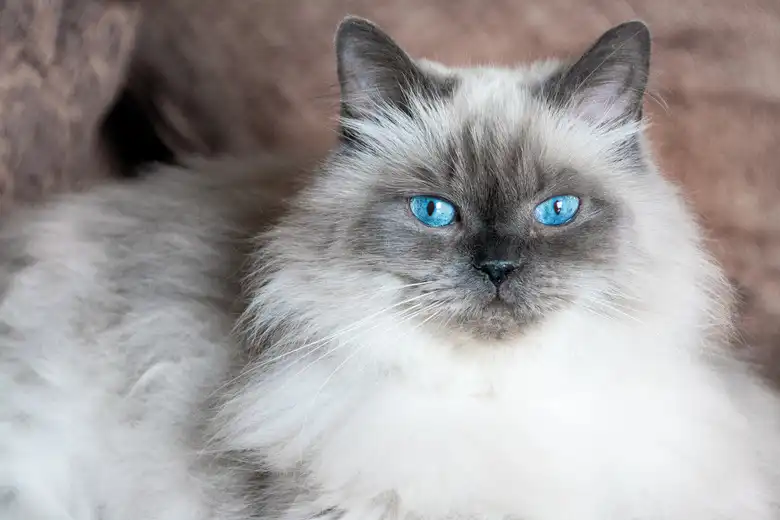
CatsCat BreedsHimalayan Cat Breed CharacteristicsByKatherine MaloneUpdated Nov 11, 2022Louis-Michel DESERT/iStock/GettyImages #pfef15ea0346d19bafbc174f14e9cde59, #pfef15ea0346d19bafbc174f14e9cde59 img { aspect-ratio: 5470/3647; height: auto; } In This ArticleHimalayan cat quick factsHimalayan cat historyHimalayan cat personalityHimalayan cat lifespan & health issuesHimalayan cat grooming & careWelcoming a new catHimalayan cat quick factsHimalayan cat quick factsLength: 12 – 16 inchesWeight: 7 – 12 poundsLifespan: 8 – 11 yearsCoat length: LongColoring: All coat colors with a pointed coat pattern and blue eyesMore Like ThisCatsBalinese Cat Breed CharacteristicsCatsBirman Cat Breed CharacteristicsCatsTonkinese Cat Breed CharacteristicsGrooming needs: HighFriendliness: Breed alone is not an accurate predictor of individual cats' personalities. However, Himalayan cats are generally regarded as gentle and sweet.The Himalayan cat is a popular breed and stunning addition to your home with their flat face and round eyes. They come in nearly any color and have a pointed color pattern, which means they have dark-colored points on the ears, tip of the tail, and paws. They are not only beautiful, but they have a calm and gentle personality. They tend to get along with humans and pets alike, but may not be the best choice if you have a rowdy home. Be sure to consider not only the breed's appearance and personality, but also their care requirements before you bring a new Himalayan kitten into your home.Kryssia Campos/Moment/GettyImages #e05f6e4d65e57f0fa093040f6fa690f15, #e05f6e4d65e57f0fa093040f6fa690f15 img { display: block; aspect-ratio: 1.7772511848341Himalayan cat historyHimalayan cat historyHimalayan cats, sometimes referred to as "Himmies," are considered part of the Persian group but are recognized as a separate breed by the International Cat Association. The American Cat Fanciers' Association (CFA), on the other hand, classifies Himmies as a Persian cat. The association considers Himalayans one of the color divisions of the Persian breed along with solids, tabbies, bicolors, and particolors. Persian cats, thought to have originated in Persia, are one of the oldest cat breeds and their history is not fully known.The Himalayan breed was created as a part of the breeding program started in 1931 and run by Virginia Cobb and Dr. Clyde Keeler. The first Himalayan kitten was named Newton's Debutante. Other breeders that contributed to the development of the Himalayan cat breed by crossing Persian and Siamese cats include Marguerita Goforth and Ben Borrett. The Himalayan was bred to have the colorpoint markings of a Siamese cat while still maintaining the appearance of a Persian cat.The cat breed is extremely popular among cat owners and some Himalayan cats even have celebrity status. Mr. Jinx is played by a Himilayan cat in the movie "Meet the Parents" and Sassy was the leading Himalayan cat role in the "Homeward Bound" movies.Himalayan cat personalityHimalayan cat personalityThese long-haired cats are sweet and gentle members of the family. They do best in calm, quiet homes and they tend to be very friendly with people and enjoy lounging with your as you relax or sleep. If you do have a more boisterous environment in your home, the cats will likely adapt to it — with some patience and love.They do, like other Persian cats, continue to have a kitten-like playfulness in short bursts. However, it is not uncommon for them to become quite sedentary, so it is important to have playtime each day with teaser toys, catnip mice, and interactive toys.They have a heavy build and don't tend to climb and jump much. Himalayans tend to be quiet cats and when they do meow, they make a melodious sound.ecuadorplanet/iStock/GettyImages #ef074477ef7f7efc126eb4cffb9a63d7a, #ef074477ef7f7efc126eb4cffb9a63d7a img { display: block; aspect-ratio: 1.5Himalayan cat lifespan and health issuesHimalayan cat lifespan and health issuesHimalayan cats have an expected lifespan of 8 to 11 years. They tend to be quite healthy, but there are some health problems that breeders should test for in Himalayan and Persian cats.polycystic kidney disease (PKD): a condition common in Persians that causes cysts to develop in the kidneys, eventually leading to kidney failure.progressive retinal atrophy: a condition that can eventually cause blindnesshypertrophic cardiomyopathy: a common heart disease in cats that causes the wall of the heart to thicken.Himalayan cat grooming and careHimalayan cat grooming and careThe Himalayan cat's long fur needs daily brushing. Failing to regularly groom these cats can cause the coat to become matted. Once matting occurs, you may need to take your cat to a professional groomer or your veterinarian to safely remove the mats and tangles.In addition to combing out their fur, wipe their eyes daily. Some Himmies have excessive tearing and may develop tear stains on their faces. Trim their nails every two or three weeks and brush their teeth with toothpaste made for cats.Feed high-quality cat food as recommended by your veterinarian and provide fresh water at all times. Consider investing in a water fountain for your cat as this will keep the long hair on their chin and chest drier and make it less likely to stain or tangle.Kim MacKay/Moment/GettyImages #ecb5f45ed0a6614e7c40f584a1d06c662, #ecb5f45ed0a6614e7c40f584a1d06c662 img { display: block; aspect-ratio: 1.5562291603516Welcoming a new cat into your homeWelcoming a new cat into your homeCat-proof your home before you bring the Himalayan kitten or cat into your home. Set up the litter box in a quiet location where your cat can easily access it and feel safe. Make sure to keep the litter box clean. Provide a scratching post and plenty of toys, as well as safe hiding spots for your new cat, such as cardboard boxes.Initially, keep your cat in a separate room away from other pets. Release them from their carrier and sit quietly as they explore the room. It is good to talk to your new cat. Though don't force them to be petted or held until they are ready. Offer treats and toys to help develop a bond with your new cat. Once they are comfortable, you can open up more of the home for them to explore. Use plenty of positive reinforcement and never punish your cat.If you have other pets in the household, introduce them to your new cat through the door or a baby gate first. This keeps both animals safe as they get used to the other animal's smell. Introduce the pets slowly and keep each meeting positive. Make sure to supervise your new cat and other pets until you are confident that they are getting along.Himalayans are sweet cats and loving members of the family, but each cat will adjust to their new surroundings at their own pace. Stay calm and patient and before your know it, your Himalayan cat will warm up to you — and be an active part of the family.ReferencesThe International Cat Association: The Himalayan BreedCat Fanciers' Association: About the Persian
How To Identify A Persian Cat
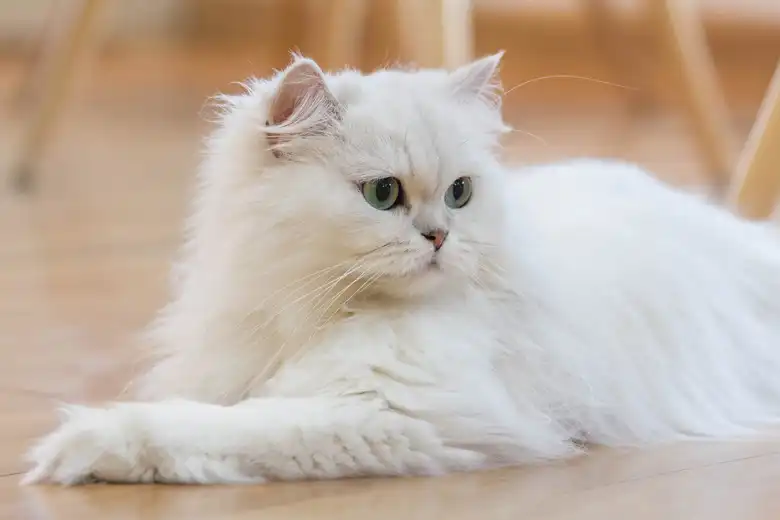
CatsCat BreedsHow To Identify A Persian CatByCatherine TroianoUpdated Apr 15, 2022rukawajung/iStock/GettyImages #p43b063cd9db04ecb96c5d68b7af3a536, #p43b063cd9db04ecb96c5d68b7af3a536 img { aspect-ratio: 5184/3456; height: auto; }One of the most easily recognized breeds in the feline world is the glamorous pure breed Persian cat, noted for her glorious long coat. The earliest evidence of a long-haired cat's existence appeared on ancient hieroglyphics. During the 1500s, Phoenician caravans moved toward Europe from Persia with long-haired cats in tow. By the 1800s, the Persian was named and exhibited in a cat show that took place at the Crystal Palace in London. Also during the 1800s, Persian cats had arrived in America, where they quickly soared in popularity.The Cat Fanciers Association officially recognized the Persian in 1871. Today, the Persian is the most popular cat registered by the Cat Fanciers Association.Snub nose Persian cat appearanceSnub nose Persian cat appearanceThe Persian is a medium- to large-sized cat with heavily boned, short legs, a plumed tail, a ruff around the neck, a round head, and small ears. The facial features include rounded cheeks, a short, snub nose, and large, round, expressive eyes. The Persian is clad in a long, silky coat that comes in a vast array of color and pattern choices. A Persian who is cast into the spotlight of Cat Fanciers Association show competitions is classified into one of seven color groups.The seven color groups include:Solid.Silver and golden.Shaded and smoke.Tabby.Parti-color.Bicolor.Himalayan.One of the most popular color choices is the Himalayan, with her jewel-toned blue eyes and rich color points that adorn her mask, ears, tail, and legs. The silver Persian is a perpetual favorite. Prospective owners of Persian cats must expect to engage in a daily grooming ritual to prevent the long locks from tangling and forming painful mats.Sweet and dignified temperamentalexey_ds/iStock/GettyImages #pfc710fce609a410facdee1055b2b719f, #pfc710fce609a410facdee1055b2b719f img { aspect-ratio: 5760/3840; height: auto; }Sweet and dignified temperamentThe Persian's expression accurately conveys her temperament. While breed is not a reliable indicator of temperament, the Persian tends to be quiet and gentle. Her regal and dignified appearance is exemplified as she adorns a sunny windowsill or the back of a sofa for hours. Persians emit a delicate meow, but they are not as vocal as some other cats.Their heavily boned and squat physiques influence their preference to remain grounded. They are not likely to soar and explore high places in the home. Persians are sweet, playful and affectionate. Although they are not demanding of attention, they are loving companions. Their intelligence and their charms delight their owners. Persians thrive best in calm households.Health and longevityHealth and longevityOne of the primary health concerns to which the Persian is prone is brachycephalic airway syndrome. This condition results from the snub nose Persian cat face. Brachycephalic airway syndrome places the Persian at a higher risk for upper respiratory infection and heatstroke.FluxFactory/iStock/GettyImages #ea6a935ee786895b69c443ddd27ecafef, #ea6a935ee786895b69c443ddd27ecafef img { display: block; aspect-ratio: 1.5Another health concern that afflicts Persian cats is polycystic kidney disease, a genetic condition in which one or both kidneys become infiltrated with cyst formations, ultimately resulting in kidney failure. Other health problems that have been noted in Persians include:A degenerative eye disease called progressive retinal atrophy.Bladder infections and bladder stones.Liver shunts.A heart condition called hypertrophic cardiomyopathy.Dental malocclusion.Blocked tear ducts.Reputable breeders screen their cats to prevent passing some of these conditions down their breeding lines. Barring any of these health problems, Persian cats who are kept indoors and receive regular veterinary checkups can live lengthy life spans of 15 to 20 years or more.ReferencesCat Fanciers Association: About the PersianVCA Animal Hospitals: Brachycephalic Airway Syndrome in Cats
Love Fluffy Cats? These Are 7 Of The Fluffiest Cat Breeds Around
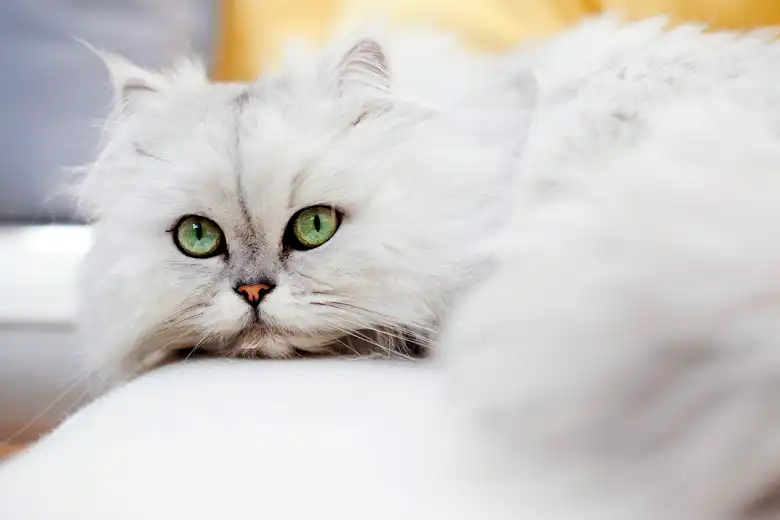
CatsCat BreedsLove Fluffy Cats? These Are 7 Of The Fluffiest Cat Breeds AroundByKylie Ora LobellSep 1, 2021 11:02 am ESTWhile you love cats of all kinds, you're especially partial to fluffy cat breeds. There's just something about these long-haired beauties with bushy tails that you can't get enough of. Now, you're thinking about getting one of the fluffy cat breeds, but you aren't sure how many there are.Ilya Shumilin / 500px/500px/GettyImages #e4b224881d2f5c525f8197b2c728a9c06, #e4b224881d2f5c525f8197b2c728a9c06 img { display: block; aspect-ratio: 1.5Here is a list of fluffy cat breeds so you can make the "purr"fect choice for your new pet.1. PersianDouglas Holder/500px/GettyImages #p2480e9bb02ef8237d792e9cc52f27ff3, #p2480e9bb02ef8237d792e9cc52f27ff3 img { aspect-ratio: 5616/3744; height: auto; }1. PersianMore Like ThisCatsBrachycephalic Cat Breeds: What to Know and How to Care For ThemCatsAbyssinian Cat Breed CharacteristicsCatsCat Breeds That Stay SmallPersian cats come in different colors – not just white. Some are orange and some are grey, while others have mixed colors. Still, the stereotypical Persian cat is white. They are known for having a shorter nose and face and being calm, which makes them good for families.2. Norwegian Forest CatAnna Frignani / EyeEm/EyeEm/GettyImages #pbc34952c912dca839ea4d888ba2b6e6a, #pbc34952c912dca839ea4d888ba2b6e6a img { aspect-ratio: 4288/2848; height: auto; }2. Norwegian Forest CatThe Norwegian Forest Cat has a double coat and will shed in the spring and fall. They will be fully grown at five years of age and are natural athletes that enjoy exploring their cat trees and counters. They can weigh in at 16 pounds, making them one of the larger fluffy cat breeds. They are typically strong and silent but love a good cuddle and bond with more than one person.3. Maine CoonNils Jacobi/iStock/GettyImages #pa06736532b6e8790c31ec54a69ea34a0, #pa06736532b6e8790c31ec54a69ea34a0 img { aspect-ratio: 6000/4000; height: auto; }3. Maine CoonMaine coon cats are typically friendly, and they grow larger than other cats, weighing it at 12 to 15 pounds. They usually like the outdoors and get along well with other pets and children. Maine coon cats are also recognized for their intelligence and gentle manner, and they easily adapt to any situation. While they don't like to go on humans' laps, they do like to be near their owners and follow them around the house.4. Ragdollperedniankina/iStock/GettyImages #p137d7fd0cbd70470d35c0bc5c36520d7, #p137d7fd0cbd70470d35c0bc5c36520d7 img { aspect-ratio: 4385/3318; height: auto; }4. RagdollRagdoll cats are one of the fluffy cat breeds that are known for being sweet, friendly relaxed. They are called ragdoll cats because when you pick them up, they typically limp like a ragdoll (because they are relaxed, not because they're fearful). These felines get along well with kids and make for excellent family pets.5. SiberianАлексей Филатов/iStock/GettyImages #p9affec144d650bdb9dec003b5435a980, #p9affec144d650bdb9dec003b5435a980 img { aspect-ratio: 4126/2751; height: auto; }5. SiberianThe Siberian cat is the native forest cat of Russia. These cats are medium to medium large in size and have a triple coat. It could take five years for one of these cats to be fully grown. They are affectionate and playful, people-oriented, and excellent jumpers – they can leap from one tall bookcase to another. They enjoy playing with toys and are friendly towards children and other pets.6. HimalayanLouis-Michel DESERT/iStock/GettyImages #pff50d43fe92b7ba5c3c0faa50d779323, #pff50d43fe92b7ba5c3c0faa50d779323 img { aspect-ratio: 5470/3647; height: auto; }6. HimalayanAnother fluffy cat breed is the Himalayan, which is a cross between a Persian and Siamese cat. They are calm but playful and not needy. They have shorter faces and sneeze more often than other cats, so it's critical that you keep their nose clear of any obstructions.7. BirmanNico De Pasquale Photography/Moment/GettyImages #p970d4600850b233d631ad9a9cdc57ddc, #p970d4600850b233d631ad9a9cdc57ddc img { aspect-ratio: 7952/5304; height: auto; }7. BirmanThe Birman cat has a long and silky coat and comes in different colors including blue, frost, cinnamon, chocolate, fawn, and lilac. They prefer to cling onto one owner and will become territorial, but not aggressive, if their owner doesn't pay attention to them. The Birman cat has a tendency to become overweight, so exercise is very important for this type of fluffy cat breed. It has a moderate to high tendency to shed.Caring for a fluffy cat breedCaring for a fluffy cat breedFluffy cat breeds shed a lot, especially during the spring and fall when they change their fur. Be prepared to vacuum up a lot of cat hair during these times. It's a good idea to brush their hair every day for 15 minutes when they are relaxed to keep it from matting. You should also introduce the brush early on so your cat gets used to it, and feed your kitty the proper food so they have a healthy coat and skin.Cats usually don't like baths, so only bathe your fluffy cat breed with a cat shampoo when absolutely necessary. You can always ask your groomer for tips on bathing and brushing and determine the best brush to care for your cat.ReferencesPetFinder: Meet the Fluffy Cat BreedsPetFinder: SiberianPetFinder: Maine CoonHill's: Birman Cat Information and Personality TraitsCat's Best: Long haired cats and how to care for their fur
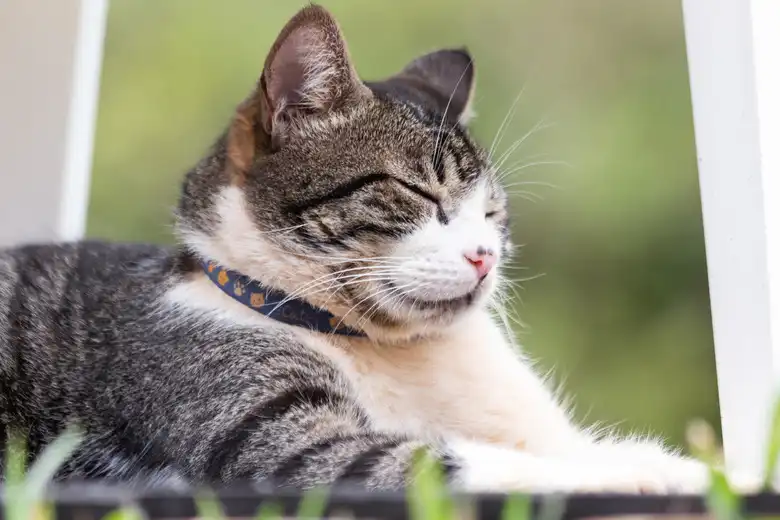
American Wirehair Cat Breed Characteristics
CatsCat BreedsAmerican Wirehair Cat Breed CharacteristicsByKatherine MaloneFeb 12, 2023 12:03 pm ESTFernando Calmon/iStock/GettyImages #p19514649681e5a6c7a85defde8c0cb72, #p19514649681e5a6c7a85defde8c0cb72 img { aspect-ratio: 4801/3201; height: auto; } In This ArticleAmerican wirehair cat quick factsAmerican wirehair cat historyAmerican wirehair cat personalityAmerican wirehair cat lifespan & health issuesAmerican wirehair cat grooming & careWelcoming a new catAmerican wirehair cat quick factsAmerican wirehair cat quick factsLength: 12 – 17 inchesWeight: Females: 8 – 12 pounds, Males: 12 – 15 poundsLifespan: 12 – 18 yearsCoat length: MediumColoring: Tabby is the most common pattern, although most coat colors and patterns are allowed except for lavender, chocolate, and the Himalayan pattern.More Like ThisCatsBurmilla Cat Breed CharacteristicsCatsAmerican Bobtail Cat Breed CharacteristicsCatsSiberian Cat Breed CharacteristicsGrooming needs: LowFriendliness: Breed alone is not an accurate predictor of individual cats' personalities. However, American wirehair cats are generally regarded as friendly and easygoing.The American wirehair is a unique breed that is suitable for anyone looking for a friendly, laid-back, and curious addition to the family. The medium-sized cat boasts a recognizable crimped coat and comes in nearly every color. They are quite low maintenance and require only minimal grooming. They tend to be very social cats and will enjoy both play and cuddle time. Consider the breed's personality and care requirements to decide if an American wirehair cat is a right fit for your family.Fernando Calmon/iStock/GettyImages #e3052fdf729542092ec5cf3bbd812028c, #e3052fdf729542092ec5cf3bbd812028c img { display: block; aspect-ratio: 1.5American wirehair cat historyAmerican wirehair cat historyThe American wirehair cat breed developed in 1966 as a result of a genetic mutation. This spontaneous mutation occurred when two domestic shorthair barn cats in Upstate New York were bred. One of the resulting kittens was born with a unique wiry coat. Cat breeder Joan O'Shea acquired the wirehaired kitten from Nathan Mosher, the owner of the farm.O'Shea named the kitten Council Rock Farm Adam of Hi-Fi and bred him to other female cats. The entire litter of kittens inherited the wiry hair, confirming that the coat is a dominant trait. Samples of hair were analyzed by geneticists who confirmed that the cats were a new breed and not related to the Cornish or Devon rex cats. This natural mutation has not been reported in other countries.The breed was accepted into the Cat Fanciers' Association (CFA) in 1967 and the cats were allowed to enter CFA championship competitions beginning in 1978. The breed shares many characteristics with the American shorthair cat and breeding programs are still permitted to outcross American wirehair cats with American shorthairs. Outcrossing to other breeds is not permitted and coat colors and patterns that may indicate outcrossing are disqualifying traits under the breed standard. Prohibited colors and patterns include:lavenderchocolateHimalayan patternany of the above combinations with whiteThe hard coat of the American wirehair has been compared to steel wool, although the coarseness of the coat can vary from cat to cat. The coat is dense and springy and all of the hairs, including the hair in the ear, should be crimped or bent. Curly whiskers are also desirable. The cat comes in a variety of colors and patterns, with the tabby pattern being the most common. Other patterns you may see include:solid colors (including white, black, blue, and cream)tortoiseshellcalicobicolorcameoFernando Calmon/iStock/GettyImages #e13b135dddc844fae03e3c5775ebb910e, #e13b135dddc844fae03e3c5775ebb910e img { display: block; aspect-ratio: 1.5American wirehair cat personalityAmerican wirehair cat personalityAmerican wirehair cats are social, curious, and laid-back. They enjoy being with people and are adaptable to many different situations. They do well with a single owner, assuming they get plenty of attention, or with a family filled with children and other pets. The cats enjoy cuddling with their people, but they aren't strictly lap cats.They have a moderate activity level and are quite athletic. They will entertain themselves and play with catnip mice or jump, climb, and run around the house. Don't be surprised if their curious nature leads them to explore bookshelves and other nooks and crannies around the home.While the cats can entertain themselves, they prefer to be with their human family and enjoy interactive play. Consider play sessions using a teaser wand. You can also teach these cats to play a game of fetch. The breed can be a bit chatty and many American wirehairs have a loud purr.American wirehair cat lifespan and health issuesAmerican wirehair cat lifespan and health issuesAmerican wirehairs are generally quite healthy and can live well into their teens. There are no known genetic health problems that plague the breed.Regular veterinary check-ups can help keep the cat healthy and identify any potential concerns early. It is also important to keep the cat up-to-date on their recommended vaccinations.American wirehair cat grooming and careAmerican wirehair cat grooming and careThis cat breed is very low maintenance. The medium-length, springy, wirehair coat is easily broken or damaged. Therefore, brushing the cat is not recommended for most of the year. An occasional brushing when the cat is shedding can help to remove the loose, dead fur. Some people may think that the coarse, wiry hair may make the breed hypoallergenic, but this is not the case. American wirehairs shed as much as many other cats.While coat care is rarely necessary, don't neglect other grooming tasks including:checking and trimming the cat's nailschecking and cleaning the cat's earsbrushing the cat's teeth with veterinarian-approved toothpaste.Feed high-quality commercial cat food in the amount recommended by your veterinarian and provide fresh drinking water at all times.Fernando Calmon/iStock/GettyImages #ef231614406f08ec571fcea7411d2ec9c, #ef231614406f08ec571fcea7411d2ec9c img { display: block; aspect-ratio: 1.4998585572843Welcoming a new cat into your homeWelcoming a new cat into your homeOnce you decide to bring an American wirehair kitten into your home, there is plenty to do to prepare for their arrival. Prepare a single room where you can welcome the new cat and they can safely explore to get used to the new scents and surroundings. Set up the room with everything your new cat may need including:food and waterlitter boxcat treescratching postcat toysAlso, make sure you cat-proof both the room and the rest of the house. As a small kitten, your American wirehair may not be able to get to high shelves, but be aware that as they grow, these curious and agile cats may well explore the tops of bookshelves and other areas they can reach. Remove any dangerous items such as poisonous plants and secure any breakable items your new cat may knock off the shelf or table.When your new cat arrives, allow them to explore the room at their own pace. Spend plenty of time with them, but avoid pushing them to explore new areas or to stay still to be petted before they are ready. Let them approach you and use plenty of positive reinforcement.Introduce your new cat to other members of the family, including other pets. Once your American wirehair cat is comfortable, you can open the door and allow them access to more of the home. Before you know it, this social cat will be an active member of the family.ReferencesCat Fanciers' Association: About the American WirehairCat Fanciers' Association: The American Wirehair – Bad Hair Day? Or...Great Wirehair!Cat-World: American Wirehair Breed Profile
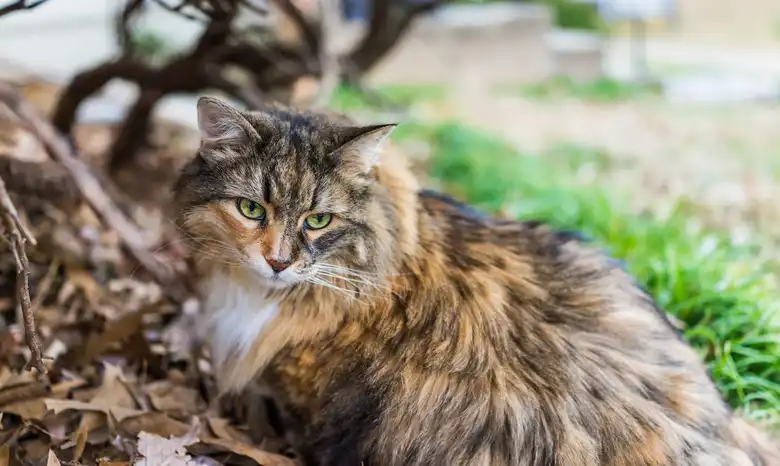
How To Tell The Difference Between A Wegie And A Maine Coon
CatsCat BreedsHow To Tell The Difference Between A Wegie And A Maine CoonByCatherine TroianoNov 14, 2009 8:21 am ESTkrblokhin/iStock/GettyImages #p9572be945a4446ce9f253b82f5f38c20, #p9572be945a4446ce9f253b82f5f38c20 img { aspect-ratio: 6000/3588; height: auto; }At a glance, the Maine Coon and the Norwegian forest cat, affectionately known as the Wegie, appear strikingly similar. While they do share some commonalities in their appearance, temperament and health, there are differences including their background.History and OriginHistory and OriginThe Norwegian forest cat originated in Norway thousands of years ago. These are the cats who likely accompanied the Vikings on their expeditions, controlling the ships' rodent populations. The Norwegian forest cat was not actually presented as a breed until 1938, when he was shown at a cat show that took place in Norway's capital city of Oslo. During the 1970s, King Olaf V declared the Wegie as Norway's official cat. The Norwegian forest cat made his debut in the United States in 1979. The Cat Fanciers' Association recognized the Norwegian forest cat in 1993.There are many myths that surround the origins of the Maine coon, but the breed most likely began when America's domestic shorthair mated with the long-haired cats who were imported by New England seamen as mementos of their travels during the 1800s. The breed developed naturally, evolving to adapt to life in America's northeastern climate. The resulting cat was soon prized by farmers and other local residents for his impressive mousing capabilities. The Maine coon was first recognized as specific breed in the state of Maine, where he is now the state's official cat. The Maine coon was officially recognized by the Cat Fanciers' Association in 1976.Physical AppearancePhysical AppearanceThe Norwegian forest cat and the Maine coon both sport long coats, ruffs around their necks, plumed tails and tufts of fur on their ears and paws. There are subtle differences in their coats. The Norwegian forest cat's smooth coat generally falls in an even length and is more sweeping in nature. The water-resistant double coat is dense to protect the cat against the harsh winter environment of his native homeland, but the undercoat is shed for the summer season. The Maine coon coat is also long, but it is not dense and it has a shaggier appearance. The texture is silky and may be slightly oily. The Norwegian forest cat's coat may be of any color or pattern except for the colorpoint pattern that is seen in the Himalayan or the Siamese. The Maine coon's coat may be any of 75 color combinations and either of two tabby patterns. Like the Norwegian forest cat, colorpoint patterns are not available on the Maine coon coat.Weighing between 9 and 18 pounds, both cats are considered large cats with their big-boned and heavily muscled physiques. The shapes of their heads present some differences. The Norwegian forest cat's head is distinctly triangular, and his profile is straight. The Maine coon's head is squared at the muzzle, and his profile displays a slight depression. The Norwegian forest cat's eyes are almond in shape and may be set at an angle. The Maine coon's eyes are oval. Both of these breeds are slow to mature to their full adult size, which is achieved between 4 and 5 years of age.Some additional cats who can share a somewhat similar appearance to the Maine Coon and the Norwegian forest cat include:Siberian, a large, semi-longhaired feline breed from Russia.Domestic long-hair, a cat with a long coat and a mixed breed background.Ragamuffin, a medium to large cat who is clad in a semi-long coat and was developed in California.Temperament TraitsTemperament TraitsBoth the Norwegian forest cat and the Maine coon are excellent companion choices for families. They are both outgoing and affectionate, getting along with just about everyone they meet. While the Norwegian forest cat is agile and revels in soaring to elevated vantage points to survey his surroundings, he tends to be mellow and is content to lounge. The Maine coon prefers to pursue exploration and adventure at ground level, and he tends to be more playful. Both of these cats are highly intelligent and enjoy the company of their family members, but the Maine coon is said to be doglike in his abilities to engage in a game of fetch, learn to walk on a leash and find his way into every household activity. The Maine coon communicates by emitting soft, chirps and trills.Health ConcernsHealth ConcernsThere are two genetic health problems to which both the Norwegian forest cat and the Maine coon are prone. One of these conditions is hypertrophic cardiomyopathy, a cardiac disease in which the heart muscle is thickened. The other health problem is hip dysplasia, a defect in the hip joint that leads to difficulty with mobility.A genetic health problem that is of concern in the Norwegian forest cat is called glycogen storage disease type IV. This is a condition that cause a deficiency in the enzyme that is required for efficient glycogen metabolism.Spinal muscular atrophy is a genetic health condition that afflicts the Maine coon. As neurons in the spinal cord that are responsible for stimulating the cat's limb muscles die off, the muscles weaken and deteriorate.While the Maine coon and the Norwegian forest cat seem to exhibit more similarities than differences, they are two unique breeds that each present some distinct traits. Whichever breed you choose, either one makes a loving and sociable family companion.
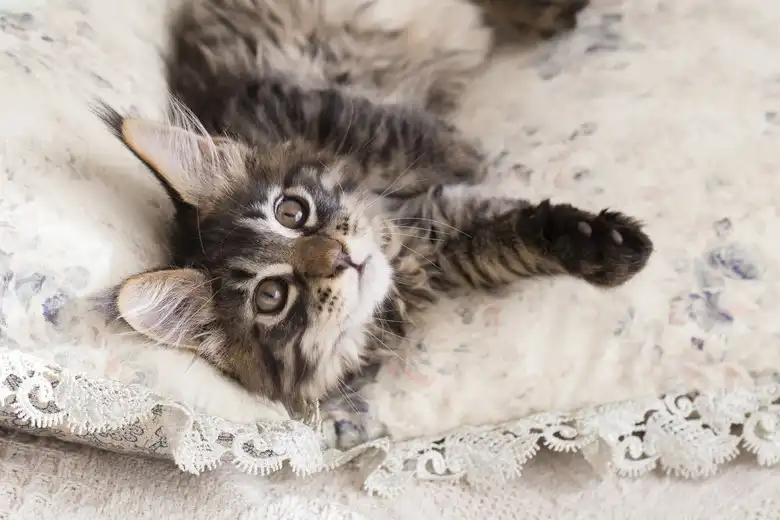
How To Identify A Maine Coon
CatsCat BreedsHow To Identify A Maine CoonByKatherine MaloneUpdated Apr 22, 2022marilook/iStock/Getty Images #p45e8861c8fdb7e00d026b402ce422732, #p45e8861c8fdb7e00d026b402ce422732 img { aspect-ratio: 2122/1415; height: auto; }The Maine coon cat is not only the state cat of Maine but also one of the oldest North American cat breeds. There are some common Maine coon traits that will help you identify these cats, including their size, coat, and personality. It is possible that the cats got their name from the myth that the breed originated from a cross between a domestic cat and a raccoon. This is not biologically possible, but it does give you a good idea of what many of these beautiful cats look like.Maine coon cat characteristicsMaine coon cat characteristicsMaine coons are large, muscular cats with a long, rectangular body covered in long hair. Maine coon cats are slow to mature to their full size but should finish maturing by the age of 4. Male Maine coons weigh 18 to 22 pounds, while females of the breed weigh 12 to 15 pounds. They are a rugged breed and should be built to survive a Maine winter.Their legs are wide-set and their feet are large, tufted, and round. The cat's face features a square muzzle, high cheekbones, and wide-set, oval eyes. Eyes may be green, gold, green-gold, or copper in color, although white cats may have blue eyes. Their tufted ears have a wide base. The tail is long and fluffy and tapers toward the end.Maine coon cats should have five toes in the front and four toes in the back. However, there is a mutation that caused Maine coon cats to have an extra toe on their feet. The International Cat Association classifies these cats separately as Maine coon polydactyls.Maine coon cat colorsNatalya Vilman/iStock/GettyImages #pe53c37df09a3adc36c2013f4140fca64, #pe53c37df09a3adc36c2013f4140fca64 img { aspect-ratio: 3020/2000; height: auto; }Maine coon cat colorsThere are many colors of Maine coon cat accepted under the breed standard. In fact, no color is prohibited. The cats come in solid colors, including white, black, red, cream, and blue. Cream and white cats should have a pink nose and paw pads. Black cats should have a black or brown nose and pads. Red and blue cats should have brick red and blue noses and pads, respectively.Tabby patterning is common in the breed, and the most common coloring is a brown tabby. Bicolored cats are white combined with cream, blue, red, or black. Other coloring and patterns include tortoiseshell and calico, or they may have one of these color patterns combined with a white undercoat.The coat is described as heavy and shaggy, but the hair is silky. The hair is shorter on the shoulders and longer around the back. They have a frontal ruff and full belly fur. The frontal ruff may not be as apparent in younger cats but will continue to develop as the cats age.Maine coon cat personalityMaine coon cat personalityWhile breed is not a reliable indicator of temperament, Maine coon cats are generally described as gentle, friendly, and intelligent. In fact, their gentleness is sometimes a surprise due to their large size. They aren't generally lap cats, but they do prefer the company of their owners.They stay playful throughout their life, and unlike many other cat breeds, most enjoy the water. The cats are excellent swimmers, and the long hair of the Maine coon is water-resistant.Purple Collar Pet Photography/Moment/GettyImages #e8328fae1e96d430ae7f13ecf2125b757, #e8328fae1e96d430ae7f13ecf2125b757 img { display: block; aspect-ratio: 1.5002632964718Maine coon cats communicate vocally with their owners and when spotting prey. Rather than the meow you may expect from a cat, the Maine coon will often chirp or trill instead.ReferencesThe Cat Fanciers' Association: Maine Coon Cat Breed StandardThe International Cat Association: Maine Coon Polydactyl BreedThe International Cat Association: Maine Coon Cat Breed PresentationThe International Cat Association: The Maine Coon Breed
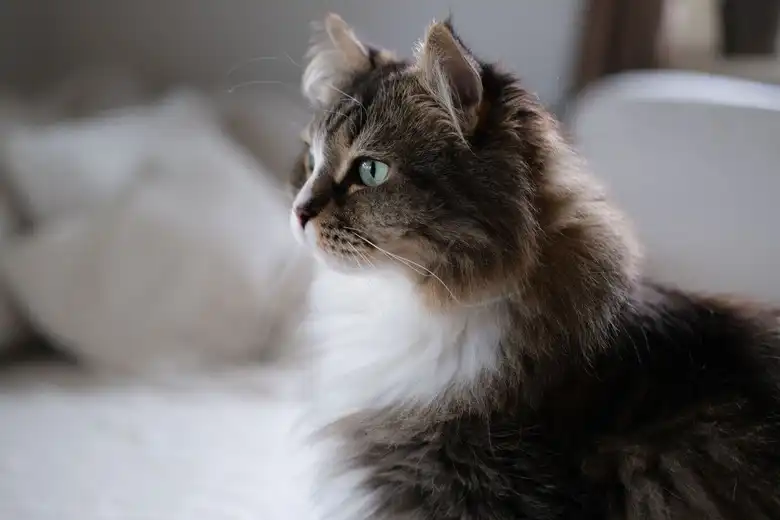
Siberian Cat Breed Characteristics
CatsCat BreedsSiberian Cat Breed CharacteristicsByKatherine MaloneNov 16, 2022 12:03 pm ESTWirestock/iStock/GettyImages #pc904c21ee1479d683f3f676e0f7a6d60, #pc904c21ee1479d683f3f676e0f7a6d60 img { aspect-ratio: 6240/4160; height: auto; } In This ArticleSiberian cat quick factsSiberian cat historySiberian cat personalitySiberian cat lifespan & health issuesSiberian cat grooming & careWelcoming a new catSiberian cat quick factsSiberian cat quick factsLength: 15 – 18 inchesWeight: 17 – 26 pounds, males tend to be larger than femalesLifespan: 11 – 18 years or moreCoat length: LongColoring: All colors and coat patterns including tortoiseshell and colorpointMore Like ThisCatsAmerican Wirehair Cat Breed CharacteristicsCatsBurmilla Cat Breed CharacteristicsCatsBalinese Cat Breed CharacteristicsGrooming needs: MediumFriendliness: Breed alone is not an accurate predictor of individual cats' personalities. However, Siberian cats are generally regarded as playful and affectionate.The Siberian cat is the national cat of Russia. They are medium to large, with long hair. While they have a long coat, the cats may be more hypoallergenic than other cat breeds. This can be beneficial if a family member is an allergy sufferer. Siberians are also known for their playful and affectionate nature. They have a calm demeanor and they don't tend to be overly demanding.Siberian kittens can take up to five years to reach their full size and maturity. Adult cats can be medium-sized but may also get quite large, weighing as much as 26 pounds. The breed standard puts more emphasis on the cat's muscular build and big bones over their exact weight.WITTY AQUARIAN / 500px/500px/GettyImages #e622882a3c4ab4c6589064a47248b857b, #e622882a3c4ab4c6589064a47248b857b img { display: block; aspect-ratio: 1.4774878118727Siberian cat historySiberian cat historyThe Siberian cat also called a Siberian forest cat or Moscow longhair is a Russian cat breed with references to the cats found as early as 1000 AD. They are included in many books including some Russian fairy tales and the 1889 book "Our Cats and All About Them" by Harrison Wier.The cats are native to Siberia in the forests of Russia. Despite the breed's long history, there is minimal documentation. It wasn't until the 1980s that more extensive records were kept in Russia.The Siberian cat breed was accepted into the International Cat Association in 1992 and received championship status in 1996. Siberians were first brought to the United States in 1990 by a cat breeder named Elizabeth Terrell. They were accepted into the Cat Fanciers' Association in 2000 where they later received championship status in the organization's cat shows in 2006.Siberian cat personalitySiberian cat personalitySiberian cats have wonderful personalities that make them a welcome addition to any home. They are affectionate and love to be with the family, including children and other pets. A Siberian cat may even follow you around as you move to different rooms. They love to cuddle when you are relaxing but they are far from being couch potatoes.The breed is very intelligent and playful. Take the time to play with your cat and enjoy the cat's antics as they jump and flip in pursuit of the toy. You should always make the game fun for your cat and let them "win" at chasing the toy. Be sure to avoid laser pointers — these can potentially injure and frustrate cats.You may also find your Siberian kitten or cat climbing bookcases and attempting to jump to high perches. Provide them with a cat tree and shelves to climb. These will give them more room to jump around and play.The Siberian cat breed is also sometimes recommended as a therapy or support animal. These cats tend to be easygoing and undemanding. They are willing to give affection and support when they sense emotional distress. The cats also communicate vocally. They have a soft meow and also often trill, chirp, and purr.Julia Gomina/iStock/GettyImages #eb90bdb97e25db8ee6985c2d5e2061a28, #eb90bdb97e25db8ee6985c2d5e2061a28 img { display: block; aspect-ratio: 1.499652052888Siberian cat lifespan & health issuesSiberian cat lifespan & health issuesHealthy Siberian cats tend to have a long lifespan and can live well into their teen years. As with many other cat breeds, they are at risk for hypertrophic cardiomyopathy (HCM). This is a type of heart disease that causes a thickening of the heart muscle. A veterinarian can check for this condition with echocardiography.Keep the Siberian up to date on all their vaccinations and have regular checkups with your veterinarian so that you can address any potential health problems right away.Siberian cat grooming & careSiberian cat grooming & careSiberian cats have long, thick coats that are water-resistant. They evolved to withstand the harsh winters of the Siberian forests. They have a triple coat with an undercoat, awn hairs, and guard hairs. You will see a ruff around the cat's neck and thick fur on the britches or hind legs. Some cats may have a lynx tipping on their ears.Fortunately, the coat of this long-haired breed doesn't tend to develop tangles and mats. Ideally, you should brush the cat at least once per week, making sure to comb the undercoat as well. When the Siberian cat is shedding their winter coat, they need daily brushing to remove loose fur. You don't need to bathe the cats, but the breed is dog-like in their love of water. Your cat may appreciate an occasional bath.While no cat is truly hypoallergenic, the Siberian cat breed may be less likely to trigger an allergic reaction compared to other cat breeds. This is likely due to the fact that Siberian cats produce less of the FelD1 protein which is an allergen in the cat's saliva and dander that may trigger a reaction in some individuals in some individuals.In addition to regular grooming, make sure to check and trim your cat's nails regularly. Clean the ears and brush their teeth with pet toothpaste. Feed them a high-quality, high-protein diet, preferably using canned food rather than dry food. Cats should also have constant access to fresh drinking water. Clean their litter box daily and change the litter regularly.Julia Gomina/iStock/GettyImages #e8dc37b75a67fda4dc5061d581d245417, #e8dc37b75a67fda4dc5061d581d245417 img { display: block; aspect-ratio: 1.5Welcoming a new cat into your homeWelcoming a new cat into your homeCat-proof your home before welcoming your new Siberian kitten to the family. Set up a single room with everything they need including a litter box, scratching post, cat tree, food, water, and toys. Make sure to close off any small spaces where the kitten may get stuck. Remove any plants or other objects that may be toxic or harmful to your new cat.Spend plenty of time with your new Siberian. Speak to them and offer to play but don't force them to be petted or held. Allow the cat to explore at their own pace and come to you for affection when they are ready. If you have other pets in the house, make the initial introduction through the door or baby gate. This will keep both animals safe and ensure a positive introduction.Always use positive reinforcement when interacting with your cat. As your cat gets comfortable with the room and with you, you can open the door and allow them access to more of the home. Be patient and before you know it, your new Siberian cat will be keeping you company — all around the house.ReferencesCat Fanciers' Association: About the SiberianThe International Cat Association: Siberian at a Glance
Khao Manee Cat Breed Characteristics
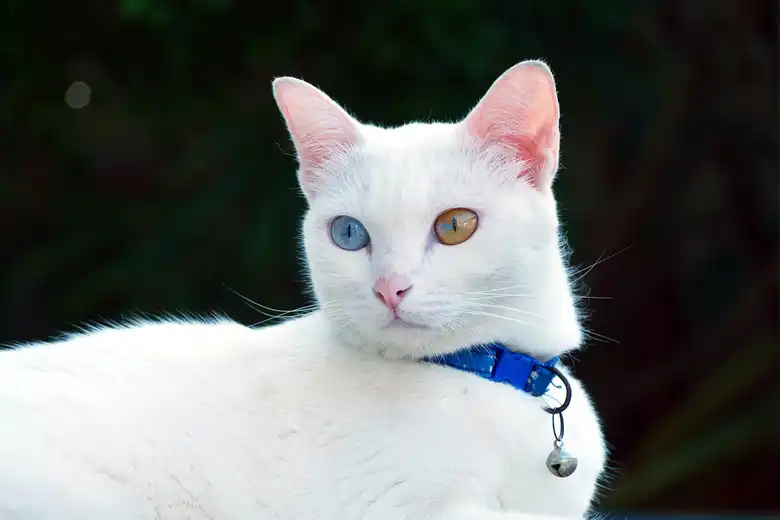
CatsCat BreedsKhao Manee Cat Breed CharacteristicsByKatherine MaloneFeb 4, 2023 12:03 pm ESTApisitWilaijit/iStock/GettyImages #pe830f432b5d6649416ce239772c982ba, #pe830f432b5d6649416ce239772c982ba img { aspect-ratio: 5184/3456; height: auto; } In This ArticleKhao manee quick factsKhao manee cat historyKhao manee cat personalityKhao manee cat lifespan & health issuesKhao manee cat grooming & careWelcoming a new catKhao manee quick factsKhao manee quick factsLength: 10 – 12 inchesWeight: Females: 5.5 – 8 pounds, Males: 8 – 10 poundsLifespan: 10 – 12 yearsCoat length: ShortColoring: White with any eye color including different color eyes.More Like ThisCatsBurmilla Cat Breed CharacteristicsCatsJapanese Bobtail Cat: Everything You Need to Know About This Playful Cat BreedCatsColorpoint Shorthair Cat Breed CharacteristicsGrooming needs: LowFriendliness: Breed alone is not an accurate predictor of individual cats' personalities. However, khao manee cats are generally regarded as playful and curious.The khao manee cat breed originated in Thailand and the name translates to "white gem." These stunning cats have white fur and bright, almond-shaped eyes that earned them the nickname diamond eye cat. The cat is said to bring good luck to the families the cat lives with. The cats are athletic with muscular bodies and they love to play. If you are looking for a sociable cat who also loves to lounge on your lap, the khao manee breed may be a good choice for your family. Consider whether the cat's personality and care requirements are a good fit for you and your family.ApisitWilaijit/iStock/GettyImages #e51335708310c4c334c4644bb7f889338, #e51335708310c4c334c4644bb7f889338 img { display: block; aspect-ratio: 1.5Khao manee cat historyKhao manee cat historyThe khao manee is an ancient breed that originated in Thailand. They are a rare breed, especially compared with the other Thai cat breeds including the Siamese cat, Korat cat, and Burmese cat. The breed is referenced in the 14th-century Thai book of cat poems called "Tamra Maew." The cat was first called khao plort, but the breed is now known as khao manee.The shorthair breed has a pure white coat and any eye color is accepted as long as they are vivid. Yet blue, green, and gold are the most common eye color. These cats may even have eyes with one blue eye and one gold or green eye.While the breed may have a long and largely unknown history, they are a new breed in the cat show world.The first khao manee cat was imported to the United States in 1999 by Colleen Freymouth.In 2018, the Cat Fanciers' Association (CFA) accepted the breed into the miscellaneous class. The breed has not yet received championship status.The International Cat Association (TICA) started accepting registrations for the breed in 2009TICA granted the breed championship status in 2015.Khao manee cat personalityKhao manee cat personalityThese cats are very sociable and don't like to be left alone. If you live alone and work long hours, this may not be a good match for you. Fortunately, they tend to get along with all family members, including children and pets — who can keep them company. They enjoy spending time with the family and are quite vocal. They will often have a conversation with you filled with meows and other vocalizations.The cats are both athletic and intelligent. Their curiosity will have them exploring every corner of the home. They love playing games with you and you can entice them into a game of fetch or play with a teaser toy. Despite their playful nature, they are also affectionate and will gladly curl up on your lap to nap.PaaTon/iStock/GettyImages #e80335679fce8b3cd355768946e34bbfd, #e80335679fce8b3cd355768946e34bbfd img { display: block; aspect-ratio: 1.5096602265157Khao manee cat lifespan and health issuesKhao manee cat lifespan and health issuesA healthy khao manee has a life expectancy of 10 to 12 years. They are generally a healthy breed, but there is one health problem that affects the breed. As with other white cats with blue eyes, the khao manee is at a higher risk of deafness. The dominant W gene that causes the white coat color also has a genetic link to blue eye color and deafness. However, not all cats with the dominant W gene will be deaf or have blue eyes.Breeders will not know if a khao manee kitten is deaf until they are about 3 to 4 weeks old. However, diagnosis can be challenging as the kitten can take visual cues from their littermates. Once a kitten is separated, breeders and cat owners can observe the kitten to see if they respond to sounds.Some cats may be deaf in only one ear. Unless you have special veterinary testing, you may not be able to detect this partial deafness.Khao manee cat grooming and careKhao manee cat grooming and careThe khao manee is a low-maintenance cat breed since they do not have an undercoat. Their short coat only needs weekly brushing to remove any loose fur. Other things to incorporate into your grooming routine include:checking and trimming the cat's nailscleaning the cat's earsbrushing the cat's teeth with a veterinarian-approved pet toothpaste.Feed the cat high-quality commercial cat food as recommended by your veterinarian. Make sure the cat has access to fresh drinking water at all times. Take your cat in for regular veterinary check-ups and keep them up-to-date on all of the recommended vaccinations.kimberrywood/iStock/GettyImages #e59ae2701522205eb75916e1c37a3e47b, #e59ae2701522205eb75916e1c37a3e47b img { display: block; aspect-ratio: 1.5Welcoming a new cat into your homeWelcoming a new cat into your homeOnce you choose a khao manee kitten to bring into your home, the wait can seem endless. Take the time to prepare by cat-proofing the house which includes removing any poisonous plants and clearing counters and shelves of anything that may harm your cat including things like cleaning chemicals. Be sure to look for spaces where your cat could get stuck or injured such as holes in the mattress or boxspring and small gaps between heavy pieces of furniture.Set up all of the needed cat supplies in a designated room to create a safe space where your cat or kitten can adjust to their new environment. This includes:food and waterlitter boxscratching postcat tree and shelvescat toysAllow your new cat to explore the room at their own pace. The breed tends to be naturally curious but some cats may need longer to adjust than others. Spend plenty of time in the room and offer to play with the cat. Avoid holding the cat to be petted before they are ready and use plenty of positive reinforcement.If you have other pets or small children, introduce them to the new cat. Monitor the interactions so you can ensure everyone is safe and has a positive experience. Once your cat is comfortable, you can open the door and allow them access to more of the house. Before you know it, your khao manee cat will be an active member of the family.ReferencesThe International Cat Association: Khaomanee at a GlanceCat Fanciers' Association: Cat Fanciers' Association Welcomes New Breeds
Cats With Ear Tufts: 6 Types Of Cats With Long Ear Fur
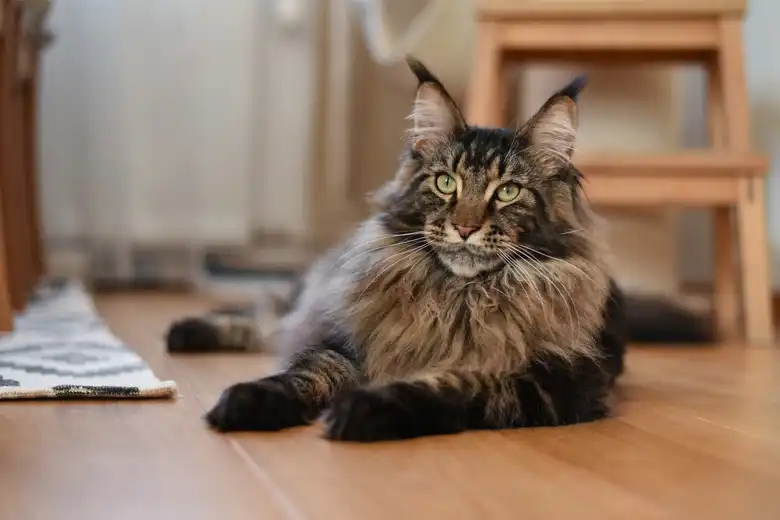
CatsCat BreedsCats With Ear Tufts: 6 Types Of Cats With Long Ear FurByHeather ValeUpdated Apr 4, 2023The inner and outer ear hairs on cats are known asfurnishings. Each breed has its standard for heaviness of furnishings and whether ear tufts, or Lynx tips, are allowed or encouraged. Those with long tufts resemble certain species of wild cats like Lynxes and bobcats. If you'd like your own little "wild" cat with Lynx tips, look towards pointy-eared cat breeds and cats with long earl furnishings.MaximFesenko/iStock/GettyImages #e625e0fbbbc60aa5056e3acea85c9c954, #e625e0fbbbc60aa5056e3acea85c9c954 img { display: block; aspect-ratio: 1.5Norwegian forest cat's rounded earsNorwegian forest cat's rounded earsThe Norwegian forest cat originated in Norway, and has appeared in folktales in his native land for centuries. The large feline has an insulated, waterproof double coat to protect him from the elements — a longer, more coarse outer coat and a soft, dense undercoat. His triangular head has large, wide, rounded ears that are heavily furnished. Lynx tips are not required, but desirable, according to the breed standard.Siberian cats have large earsAlexandra Jursova/Moment/GettyImages #pcc2280f9dbf3e80b3c1da65ac54a368e, #pcc2280f9dbf3e80b3c1da65ac54a368e img { aspect-ratio: 6016/4016; height: auto; }Siberian cats have large earsAmong the cats with pointy hair on tips of ears is the medium to large Siberian is Russia's forest cat. He has been featured in Russian fairy tales for hundreds of years. This natural breed has a dense triple coat that's water repellant and sports a ruff around his neck. His ears are large, wide, and rounded with full, heavy furnishings in the middle. Ear tipping is allowed, but not required.ReferencesTravel 4 Wildlife: How to Tell the Difference Between a Canadian Lynx and a BobcatCFA: Maine CoonCatster: Let's Talk About Cats with Ear TuftsCFA: Norwegian Forest CatCFA: Norwegian Forest Cat Breed StandardCFA: Siberian CatCFA: Siberian StandardsCFA: Maine Coon CatCFA: American BobtailCFA: American Bobtail StandardsCFA: American CurlCFA: American Curl StandardCFA: PersianCFA: Persian StandardsPetfinder: Best Cat Breeds for KidsMaine coon's tapered earsThe Maine coon is a large, muscular native American cat who reigns as the official cat of Maine. Similar to the Norwegian forest cat, the Maine coon is dubbed the "gentle giant." These are cats with pointy hair on the tips of their ears.Their rugged, shaggy coat has three lengths, finished by a fluffy tail. He has large, wide, well-tufted ears, which often taper to a point at the tip.In addition to having a wild look about them, the relaxed and gentle disposition of the Maine coon cat breed makes them a great fit for kids.American bobtail's ear tippingAmong the pointy eared cat breeds is the medium to large American bobtail, who looks like a wild cat and has developed to survive feral environments, thanks to natural selection.This hearty-looking feline has a short tail — hence the name — that can be straight or curled. Ear tipping on his medium, wide-set ears is highly desirable to complete his natural look.American curl's rounded earsThe American curl is slightly different from most cats with ear tufts. This unique feline has long Lynx tips, but her wide ears curl backward at 90 to 180 degrees.The American curl was discovered as a stray in California, and selectively bred since the early 1980s. Their body is medium-sized with a flat, silky coat with very little undercoat.Persian cat's long ear furStefka Pavlova/Moment/GettyImages #e07e2e20580e90b856a9036499b0a477e, #e07e2e20580e90b856a9036499b0a477e img { display: block; aspect-ratio: 1.5The Persian also has long ear fur, although not necessarily Lynx tufts. The most popular type of feline in the world, this pointy eared cat breed was thought to originate in Persia. He has been seen in ancient hieroglyphs dating back to 1684 B.C. His coat is long, thick, and glossy, and he has a prominent neck ruff. His ears are widely spaced, low set, and well-furnished.
American Bobtail Cat Breed Characteristics
CatsCat BreedsAmerican Bobtail Cat Breed CharacteristicsByKatherine MaloneJan 20, 2023 12:03 pm ESTgrase/iStock/GettyImages #pb6e0ce6ccff621b6da75f214235b8af4, #pb6e0ce6ccff621b6da75f214235b8af4 img { aspect-ratio: 4288/2848; height: auto; } In This ArticleAmerican bobtail cat quick factsAmerican bobtail cat historyAmerican bobtail cat personalityAmerican bobtail cat lifespan & health issuesAmerican bobtail cat grooming & careWelcoming a newAmerican bobtail cat quick factsAmerican bobtail cat quick factsLength: 12 – 20 inchesWeight: Females: 7 – 11 pounds, Males: 12-16 poundsLifespan: 11 – 15 years or moreCoat length: Short or longColoring: All coat colors and patterns and any eye colorMore Like ThisCatsAmerican Wirehair Cat Breed CharacteristicsCatsJapanese Bobtail Cat: Everything You Need to Know About This Playful Cat BreedCatsSnowshoe Cat Breed CharacteristicsGrooming needs: Low to mediumFriendliness: Breed alone is not an accurate predictor of individual cats' personalities. However, American bobtail cats are generally regarded as affectionate and easy-going.The American bobtail cat breed is a domestic cat that shares a similar appearance with wild bobcats. However, there is no relationship between wild bobcats and the domestic breed. The American bobtail has a wonderful and affectionate personality. They are a joy to have in your household. They love to cuddle but will also entertain with their playful antics.The breed tends to be very healthy and has minimal grooming requirements. This makes them a good fit for busy families. Carefully consider the American bobtail cat's personality and care requirements before adding a new kitten to your family.Jane-Khomi/iStock/GettyImages #e0dad992ac258c3fa3c4e1ce79c7f66e1, #e0dad992ac258c3fa3c4e1ce79c7f66e1 img { display: block; aspect-ratio: 1.4982316534041American bobtail cat historyAmerican bobtail cat historyThe American bobtail breed was developed from feral domestic cats. The cats were found to naturally have shortened tails. Although these short-tail cats have been in existence for a long time, the American bobtail is a fairly new breed that only started in the 1960s.While traveling through Arizona, John and Brenda Sanders found a short-tail, brown tabby kitten that they named Yodi. When the family returned to Iowa, he was bred to the couple's color point cat, Mishi. Since the short tail is a dominant trait, the litter had Yodi's short tail. Their friends, Mindy Shultz and Charlotte Bentley liked the young kittens and began outcrossing them to create the American bobtail breed.The breed comes in both longhair and shorthair varieties. You will most often see them with coat colors and patterns that give them a wild appearance. Though all coat and eye colors are accepted under the breed standard.The cats are not completely tailless and the cat's tail can vary in length — usually 1 to 4 inches long. When the cat holds their tail up, it should be visible above the back. Though it should not extend lower than the hocks of the hind legs. Some other physical characteristics include:a rectangular-shaped bodya muscular builda broad, wedge-shaped headlarge, almond-shaped eyesThe breed has been accepted by many registries including the Cat Fanciers' Association (CFA), the International Cat Association (TICA), and the American Cat Fanciers' Association (ACFA).American bobtail cat personalityAmerican bobtail cat personalityThe American bobtail cat is a loving and affectionate pet. They are not solitary animals and prefer the company of the family, including children and other pets. These wonderful personality traits are often compared to those of a golden retriever. The American bobtail cat is also an ideal choice for a therapy pet. They tend to be very adaptable and can be excellent travel companions.Although they prefer company, the cats do not tend to be loud or demanding. In addition to meowing, they also communicate with chirps, trills, and clicks.Playtime is very important to the American bobtail. They love playing games of fetch and hide and seek and showing off their hunting skills on both cat toys and insects that dare invade your home. One of their dog-like traits is that they are very trainable and can be taught to walk on a leash. One quirk of this breed of cat is that they love shiny objects and will take them if given a chance.SerKucher/iStock/GettyImages #e4ec450dd0e0013f7cda7b622215fbcf1, #e4ec450dd0e0013f7cda7b622215fbcf1 img { display: block; aspect-ratio: 1.3466362599772American bobtail cat lifespan and health issuesAmerican bobtail cat lifespan and health issuesA healthy American bobtail cat can live into their mid-teens or longer. The breed tends to be very healthy and they don't have any known breed-specific health problems that breeders and cat owners should be concerned with.With proper care, which includes a good diet and regular veterinarian examinations, cats are likely to stay healthy and maintain a healthy weight. Avoiding obesity is important to a long life as the extra weight can increase the risks of other health conditions.American bobtail cat grooming and careAmerican bobtail cat grooming and careAmerican bobtail cats may have short or long hair and neither variety is prone to matting. Brush the bobtail cat a couple of times per week to remove any loose hair and any tangles that may have developed. More frequent brushing is recommended in the spring months when the cat is shedding.In addition to coat care, other care requirements include:trimming the cat's nails regularlycleaning the cat's earsfeeding high-quality commercial cat foodproviding constant access to fresh clean waterhaving regular veterinary check-ups and vaccinationsjockermax/iStock/GettyImages #e1e30757620683e208323296c56859525, #e1e30757620683e208323296c56859525 img { display: block; aspect-ratio: 1.5Welcoming a new cat into your homeWelcoming a new cat into your homeIt is an exciting day when you get word that your American bobtail kitten is ready to come home. Before that day arrives, take some time to cat-proof your home to make sure it is safe and ready for your cat. This includes removing any toxic plants, keeping the counters free of poisonous foods and cleaning supplies, and hiding those shiny objects and jewelry that your cat is sure to love.Set up a safe room for the cat where they can get to know you and their new environment. Make sure it has everything your new cat will need including:food and waterlitter boxscratching postcat treecat toysAllow your new cat to explore the room at their own pace. Spend plenty of time with your cat as American bobtails do not enjoy being alone. But be patient and allow the cat to come to you when they are ready. Offer to play with your cat and be sure to use plenty of positive reinforcement when you interact with them.If you have other pets in the home, make introductions slowly. Monitor their interactions to make sure that both animals have a positive experience. Once your cat is comfortable with the new environment and the other pets in the household, you can open the door. Then the new cat can begin to explore more of the home. With a bit of patience, American bobtail cats will soon be an active part of the family.ReferencesAll About Cats: American Bobtail CatThe International Cat Association: The American Bobtail Breed
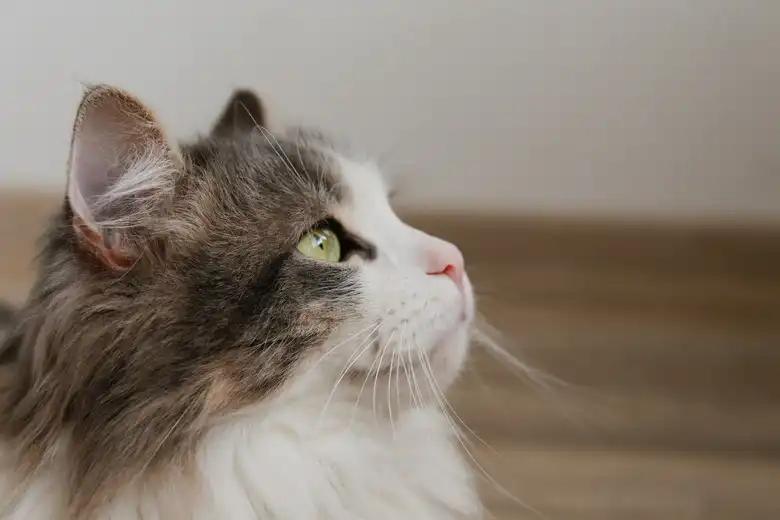
Ragamuffin Cat Breed Characteristics
CatsCat BreedsRagamuffin Cat Breed CharacteristicsByKatherine MaloneDec 13, 2022 12:03 pm ESTEvrymmnt/iStock/GettyImages #p21de1136ecf2f0f0003b33e1301b294a, #p21de1136ecf2f0f0003b33e1301b294a img { aspect-ratio: 5472/3648; height: auto; } In This ArticleRagamuffin quick factsRagamuffin cat historyRagamuffin cat personalityRagamuffin cat lifespan & health issuesRagamuffin cat grooming & careWelcoming a new catRagamuffin quick factsRagamuffin quick factsLength: 12 – 18 inchesWeight: Females: 10 to 15 pounds, Males: 15 to 20 pounds or moreLifespan: 13 – 16 yearsCoat length: Medium to longColoring: All colors and coat patterns except for pointed colorsMore Like ThisCatsRagdoll Cat Breed CharacteristicsCatsSomali Cat Breed CharacteristicsCatsBritish Shorthair Cat Breed CharacteristicsGrooming needs: HighFriendliness: Breed alone is not an accurate predictor of individual cats' personalities. However, ragamuffin cats are generally regarded as affectionate, friendly, and relaxed.Ragamuffin cats have beautiful long hair and walnut-shaped eyes that can capture your heart. The cat breed has a loving personality to match and while they enjoy playing, they also love to cuddle like a teddy bear. Before bringing a ragamuffin kitten into your home, consider their personality and care requirements to make sure the breed is a good fit for your home and lifestyle.Zoonar RF/Zoonar/GettyImages #e16537bf4f38661d74d5678cb18ff0f1b, #e16537bf4f38661d74d5678cb18ff0f1b img { display: block; aspect-ratio: 1.4991341991342Ragamuffin cat historyRagamuffin cat historyThe history of the ragamuffin breed begins with the ragdoll cats. Ragdolls were developed in the 1960s by Ann Baker in California. The breed originated from a domestic longhair cat named Josephine who had some kittens with the unique ragdoll temperament and habit of going limp when they are picked up. By continuing to breed these unique and desired characteristics, she developed the ragdoll breed. Many breeders started to breed ragdoll cats and register them with the registry created by Ann Baker.Eventually, a group of breeders decided to break away from Baker's purebred ragdoll breed registry. They took their ragdoll cats and applied for recognition for the breed from the American Cat Fanciers Association. At that time, the group selected the name ragamuffin for the new breed. The breed is also recognized by the American Association of Cat Enthusiasts and the Cat Fanciers Federation. The Cat Fanciers' Association (CFA) granted the breed championship status in 2011.The ragamuffin cat breed still shares many characteristics with the ragdoll, including their large size and long coat. There have developed differences as well. While ragdoll cats all have a colorpoint coat pattern and blue eyes, the ragamuffin breed standard allows other coat patterns except pointed colors and most eye colors. Some of the accepted colors and patterns for ragamuffin cats include:solid colors including white, black, blue, lilac, and chocolateshaded colors include chinchilla, shaded golden, and tortoiseshell shadedtabby colors and patterns include classic tabby, mackerel tabby, and patched tabby in a variety of colors including brown, blue, fawn, and lilacparti-colored including tortoiseshell, blue cream, lilac cream, and fawn creammink pattern in colors including natural, blue, champagne, platinum, and fawn with aqua eyessepia colors and patterns including sable, champaign, blue sepia, and red sepia with yellow-gold to green eyescalico and bicolor pattern in all coat colorsRagamuffin cat personalityRagamuffin cat personalityRagamuffin cats may be the ideal lap cat. They are sweet and affectionate and love nothing more than time cuddling with family members. And as the name implies, they will go limp like a rag when you hold them in your arms.The cats are calm and patient and enjoy being a part of family activities. While they love to cuddle, they also enjoy playtime. These personality traits make the breed a great choice for families with children and other pets as the ragamuffin will fit right in. The cats can also be trained to walk on a leash, play fetch, and do tricks.Evrymmnt/iStock/GettyImages #edc0677341a2b701620fd72bf899ba08b, #edc0677341a2b701620fd72bf899ba08b img { display: block; aspect-ratio: 1.5Ragamuffin cat lifespan and health issuesRagamuffin cat lifespan and health issuesA healthy ragamuffin cat typically has a life expectancy of 13 to 16 years. They are generally quite healthy, but there are some health problems to watch out for with this breed. Two common concerns are:polycystic kidney disease (PKD): A genetic health condition that causes cysts in the kidney and can eventually cause kidney failure.hypertrophic cardiomyopathy: A type of heart disease that causes a thickening of the heart muscle.The ragamuffin is a large cat and obesity is a concern as it can cause or worsen other health problems. If your cat is overweight, work with a veterinarian to make adjustments to your cat's diet and exercise programs.Ragamuffin cat grooming and careRagamuffin cat grooming and careRagamuffin cats have medium-long to long long fur and a thick undercoat. Brush the cat each day to keep the coat from matting. Make sure to comb the undercoat as well, not just the smooth surface hairs. Work out knots gently before they have the chance to become more serious mats. Matting can be extremely painful for a cat and the fur may need to be shaved completely to remove the mats.Brush the cat's teeth regularly using toothpaste that is veterinarian-approved for cats. Check their nails each week and trim them as needed.Feed high-quality cat food in the amount recommended by your veterinarian. Avoid free feeding as many ragamuffin cats have a tendency to become overweight.Evrymmnt/iStock/GettyImages #e5d6444473ef264d07c0c29bfa30c12dd, #e5d6444473ef264d07c0c29bfa30c12dd img { display: block; aspect-ratio: 1.5Welcoming a new cat into your homeWelcoming a new cat into your homeBefore you welcome a new ragamuffin kitten into your home, make sure you cat-proof the home to make sure you have a safe environment for the cat. Set up a room where you can allow the cat to get comfortable with their new environment. Make sure you have all the supplies you need including:food and water disheslitter boxcat treescratching posttoysAllow the new cat to explore the room at their own pace. While the ragamuffin cat loves to cuddle, avoid the temptation to grab the cat and hold them to be petted. Allow the cat to come to you when they are ready.Once the new cat starts feeling comfortable, introduce any other pets or children in the home. Talk to your kids to make sure they handle the new cat gently and monitor the interactions between the new ragamuffin cat and other pets to make sure everyone stays safe. Always use positive reinforcement with your cat.When you are confident that the ragamuffin cat and other pets will get along and the ragamuffin is comfortable, you can open up the door and allow them to explore more of the home. Before you know it, your ragamuffin will make themselves an integral part of the family.ReferencesAll About Cats: Ragamuffin CatThe Cat Fanciers' Association: About the RagaMuffin
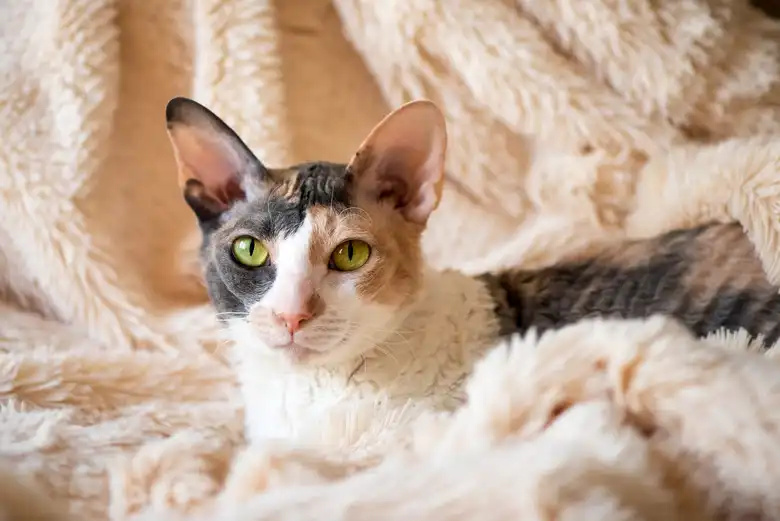
Cornish Rex Cat Breed Characteristics
CatsCat BreedsCornish Rex Cat Breed CharacteristicsByKatherine MaloneFeb 16, 2023 12:03 pm ESTrozmarina/iStock/GettyImages #pa5a0e1c742b9096e1c9c08bfd87b8ab3, #pa5a0e1c742b9096e1c9c08bfd87b8ab3 img { aspect-ratio: 7369/4925; height: auto; } In This ArticleCornish rex cat quick factsCornish rex cat historyCornish rex cat personalityCornish rex cat lifespan & health issuesCornish rex cat grooming & careWelcoming a new catCornish rex cat quick factsCornish rex cat quick factsLength: 12 – 16 inchesWeight: Females: 5 – 7 pounds, Males: 6 – 9 poundsLifespan: 9 – 13 years or moreCoat length: ShortColoring: All coat colors and patternsMore Like ThisCatsHimalayan Cat Breed CharacteristicsCatsBurmilla Cat Breed CharacteristicsCatsExotic Cat Breed CharacteristicsGrooming needs: LowFriendliness: Breed alone is not an accurate predictor of individual cats' personalities. However, Cornish rex cats are generally regarded as affectionate and active.The Cornish rex cat, also nicknamed the "feline version of a whippet" and "feline invaders from outer space," are fun, active cats with a unique and elegant appearance. These medium-sized cats are known for their playful antics and they love being an active part of the family. While some think these curly-coated cats are hypoallergenic due to their short, fine fur, this is unfortunately not the case. They do shed less than other breeds, but their short coat means they must be kept as indoor cats. Consider the breed's personality and care requirements to make sure the Cornish rex will be a good fit for your family.Sicha69/iStock/GettyImages #e4e8550a2d9784e3bb96121b4594ec9c9, #e4e8550a2d9784e3bb96121b4594ec9c9 img { display: block; aspect-ratio: 1.5Cornish rex cat historyCornish rex cat historyThe Cornish rex breed originated in Cornwall, England in 1950 when a tortoiseshell barn cat named Serena gave birth to a litter of kittens, one of which had a curly coat. This was the first Cornish rex kitten and he was named Kallibunker. As Kallibunker matured, more differences became apparent, including his large ears, egg-shaped head, long legs, and thin bone structure.The pet parent, Nina Ennismore, later bred Kallibunker back to his mother and the resulting litter contained some curly-coated kittens. Geneticists determined that the curly coat is a recessive trait, so both feline parents must have at least one copy of the recessive gene. They later determined that the gene for the new breed is different than the one that causes the curly or wavy coat in the Devon rex cat breed.The first Cornish rex cats were outbred to increase the gene pool and give the breed a strong foundation. Some cat breeds that were used include:American shorthairsBritish shorthairsHavana brownsRussian bluesSiameseCornish rex cats were brought to the United States in 1957 and the breed was accepted into the Cat Fanciers' Association (CFA) in 1964.Cornish rex cat personalityCornish rex cat personalityCornish rex cats are incredibly active and social. The breed is quite athletic despite the appearance of their long, thin legs, and they enjoy running, jumping, and playing. The cats love a game of fetch or may entertain themselves by tossing toys into the air.They enjoy people and prefer to spend their time with the family. This is not a good breed to have if you live alone and spend long hours working and traveling. The Cornish rex cats will do well with children and with any other pets you may have in the household.Angela Emanuelsson / EyeEm/EyeEm/GettyImages #e09fe3be7d5c31f50cf338a365296ab33, #e09fe3be7d5c31f50cf338a365296ab33 img { display: block; aspect-ratio: 1.5003663003663Cornish rex cat lifespan and health issuesCornish rex cat lifespan and health issuesA healthy Cornish rex cat receiving proper care can have a long lifespan and live well into their teens, reaching an age of 13 years or more. They are generally a very healthy breed, but they do have a few health problems to be aware of.The primary concern for Cornish rex cats is due to their very short coat. The Cornish rex coat has dawn and awn hairs but does not have guard hairs, which means they have little protection against cold and wet. It also leaves them susceptible to dermatological problems such as sunburn. These cats should be kept indoors. If you do allow them out on an enclosed patio, be aware of the risk of sunburn.There are also some genetic health problems that affect this breed of cat. Cats may develop a heart disease called hypertrophic cardiomyopathy. Some cats are also more prone to patellar luxation, a condition that causes the kneecaps to move out of position. Deafness is a concern in pure white Cornish rex cats. Responsible breeders will have their cats examined regularly to check for these conditions and will stop breeding cats found to carry hereditary diseases.Cornish rex cat grooming and careCornish rex cat grooming and careThe short, soft, curly coat is one of the distinguishing features of the Cornish rex cat breed. They do shed, although not as much as many other breeds. Brushing isn't generally necessary; however, you will want to bathe the cat occasionally. This is because their short coat isn't able to absorb all of the oil produced by the skin. Use a gentle shampoo formulated for cats.Other regular grooming tasks include:cleaning the cat's earstrimming the cat's nailsbrushing the cat's teeth with a veterinarian-approved toothpasteFeed high-quality, commercial cat food in the amount recommended by your veterinarian. Many Cornish rex cats may overeat, so avoid free feeding. Provide fresh drinking water at all times. Cornish rex cats should be kept indoors as their coat does not provide the needed protection to survive outdoors. Take your cat to see the veterinarian for regular check-ups and keep them up-to-date on all of the recommended vaccinations.Luiz Probst / EyeEm/EyeEm/GettyImages #e4f5c983cd44f0bbc89ed8fc43506b598, #e4f5c983cd44f0bbc89ed8fc43506b598 img { display: block; aspect-ratio: 1.5Welcoming a new cat into your homeWelcoming a new cat into your homeBefore you bring a Cornish rex kitten or cat into your home, make sure the environment is safe for your new feline friend. The Cornish rex is an intelligent and active breed, so take the time to cat-proof the home. Remove or secure any dangerous items, such as toxic plants. Make sure you have plenty of cat toys, a cat tree, and a scratching post so that the cat can be active without damaging your furniture. Consider a window seat and wall-mounted cat furniture to give your cat more entertainment opportunities.When you introduce your new cat to their new home, start by keeping them in a single room. This gives them an opportunity to get used to the new sights and smells. Set up the room with everything your cat will need including:cat food and waterlitter boxplenty of toysSpend plenty of time with your new cat and introduce toys and offer to play. The Cornish rex breed tends to be quite social, so your new cat will likely warm up to you quickly. Don't rush the process though. Allow your new cat to explore at their own pace and let them decide when they are ready to be petted or start playing.If you have children or other pets in the home, make sure to introduce them to the new cat. This ensures the animals have a positive experience and your cat has a safe room to relax if they get overwhelmed. Once your cat is comfortable, you can open up the door and allow them access to more of the house. Before you know it, your Cornish rex cat will be an active and playful member of the family.ReferencesThe International Cat Association: Cornish Rex at a GlanceNational Library of Medicine: To the Root of the Curl: A Signature of a Recent Selective Sweep Identifies a Mutation That Defines the Cornish Rex Cat BreedThe Cat Fanciers' Association: About the Cornish Rex
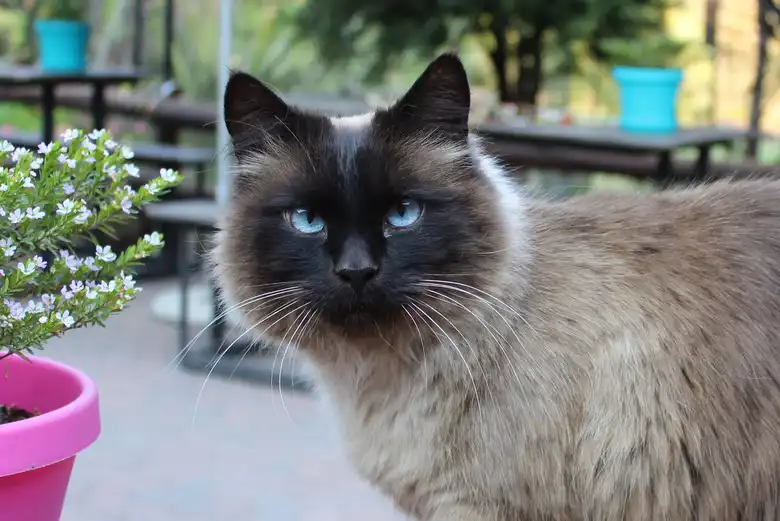
Balinese Cat Breed Characteristics
CatsCat BreedsBalinese Cat Breed CharacteristicsByKatherine MaloneDec 6, 2022 12:03 pm ESTNatalie Herzer/iStock/GettyImages #p11862140fc0103c83b326b63ccc43a03, #p11862140fc0103c83b326b63ccc43a03 img { aspect-ratio: 2958/1979; height: auto; } In This ArticleBalinese cat quick factsBalinese cat historyBalinese cat personalityBalinese cat lifespan & health issuesBalinese cat grooming & careWelcoming a new catBalinese cat quick factsBalinese cat quick factsLength: 12 – 16 inchesWeight: Females: 5 – 8 pounds, Males: 8 – 12 poundsLifespan: 12 – 15 years or moreCoat length: LongColoring: Blue point, chocolate point, lilac point, and seal point with vivid blue eyes.More Like ThisCatsHimalayan Cat Breed CharacteristicsCatsBengal Cat Breed CharacteristicsCatsSnowshoe Cat Breed CharacteristicsGrooming needs: LowFriendliness: Breed alone is not an accurate predictor of individual cats' personalities. However, Balinese are generally regarded as curious, affectionate, and outgoing.The name for the Balinese cat was inspired by the grace of the Balinese dancers, although the breed originated in the United States from long-haired Siamese cats. They have a beautiful pointed coat pattern and a silky, long coat and a plumed tail that rarely tangles or mats. And while the breed isn't completely hypoallergenic, they produce less of the Fel d1 protein, the protein that triggers a reaction in people who are allergic to cats, in their saliva.They are small to medium-sized cats with a combination of personality traits that makes them a joy to have in your home. Consider the breed's personality, energy levels, and care requirements carefully before deciding to bring a new Balinese kitten into your family.aleishaknight/iStock/GettyImages #e480f43773042835985b80c6b65d20302, #e480f43773042835985b80c6b65d20302 img { display: block; aspect-ratio: 1.4998651200432Balinese cat historyBalinese cat historyToday's Balinese cat breed was started in the 1950s by two Siamese breeders, Helen Smith in New York and Marion Dorsey in California, when they found long-haired Siamese kittens in some litters in their breeding programs. Another cat breeder, Sylvia Holland, helped to organize the Balinese breeders so that more crossbreeding could occur between the different lines of Balinese cats.It is interesting to note that the long-haired Siamese cat's history goes back much further. In 1928, a long-haired Siamese was registered with the Cat Fanciers' Association (CFA) and a long-haired Siamese was featured in the 1871 edition of the "Penny Illustrated" newspaper.The Cat Fancier's Association recognized the breed with the same four colorpoint colors as the shorthair Siamese cat including blue point, chocolate point, lilac point, and seal point. The association later merged the Javanese cat breed with the Balinese breed. They also started recognizing additional colors and coat patterns under the Javanese division. This included solid point, lynx point, and parti-color point patterns. Balinese cats also have blue, almond-shaped eyes, wedge-shaped heads, and large ears.Balinese cat personalityBalinese cat personalityBalinese cats are social and outgoing cats. They are sure to be loving with all members of your family and can do well in homes with children and other pets. They don't tend to be lap cats, but they are quite affectionate. They may stick close to help you as you move around the house.Like the Siamese, the Balinese cat is vocal and will often speak to you. They tend to have a softer meow compared to Siamese cats.The breed is also intelligent and inquisitive. These athletic cats need plenty of play and activity to stay happy and out of trouble. Interactive toys and teaser toys are good options for entertaining the Balinese cat.You can also burn off some energy and deepen your relationship with your cat by training them to play fetch, walk on a leash, or participate in sports like agility. Just be sure to use plenty of positive reinforcement during the play and training sessions.BravissimoS/iStock/GettyImages #e210eae66346dcff34c5cd5a79d49b76b, #e210eae66346dcff34c5cd5a79d49b76b img { display: block; aspect-ratio: 1.5001362769147Balinese cat lifespan and health issuesBalinese cat lifespan and health issuesThe purebred Balinese cat breed generally lives into their teens. Some may even live 20 years or more. Balinese are generally a healthy breed with few health problems. These cats can be more sensitive to anesthesia than other breeds, so it is important to discuss this with your veterinarian before any surgical procedure.The cats may suffer from amyloidosis, a condition that causes a build-up of amyloid proteins in the organs, often the kidneys. Unfortunately, there is no genetic test for this condition.As the breed was developed from a Siamese cat, they may also have some of the same health risks and conditions. These include having crossed eyes and kinked tails. These conditions are both considered faults under the breed standard, but they don't generally affect the cat's life expectancy.Balinese cat grooming and careBalinese cat grooming and careBalinese cats have long hair but are surprisingly easy to groom. Unlike many other longhaired cats, they do not have an undercoat which gives them a very sleek appearance. They have a silky coat that rarely sheds. All you need to do to keep your cat's coat healthy is brush or comb it on a weekly basis.Other weekly grooming tasks include:cleaning the earscleaning the eyes with a damp clothtrim the nailsAlso, be sure to brush the cat's teeth regularly. Use a toothpaste that is veterinary-approved for use in pets. Feed high-quality cat food, preferably canned food twice per day in the amount recommended by your veterinarian. Make sure fresh drinking water is available at all times.BravissimoS/iStock/GettyImages #e0abdc8e7e05b1b3adc6b03a7e20c8a40, #e0abdc8e7e05b1b3adc6b03a7e20c8a40 img { display: block; aspect-ratio: 1.5Welcoming a new cat into your homeWelcoming a new cat into your homeBalinese cats are sociable cats, but coming into a new environment with new people and smells can be stressful — even the most relaxed of cats. Make the transition a smooth one by cat-proofing your home before your Balinese kitten's arrival.Set up a room where you can welcome your new cat. Make sure it has everything your new cat will need including:food and waterlitter boxscratching postcat treetoysIn addition, make sure to close off any spaces where a scared cat may hide and get stuck such as gaps between the wall and furniture or appliances. Allow your new cat or kitten to explore the room and get used to the space. Spend plenty of time sitting with your cat and talking to them, but don't force them to be petted or held. With patience and positive reinforcement, your new cat will warm up to you in no time.If you also have other pets or small children in the home, this is a good time for introductions. Having the new cat in a separate room ensures there won't be conflict during the first meeting and the new cat has a safe space to retreat to if they get overwhelmed.The Balinese cat tends to be quite outgoing, so it won't be long before they are ready to leave the room — and become an active member of the family.ReferencesThe International Cat Association: The Balinese BreedCat Fanciers' Association: The Lovely Balinese
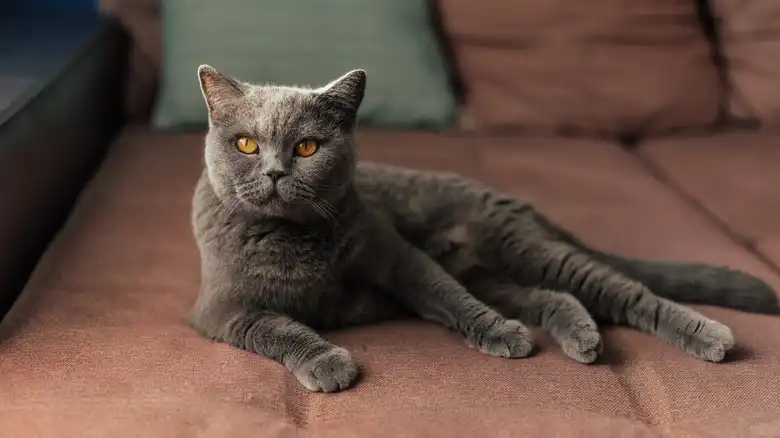
How To Spot The Difference Between A British Shorthair And A Russian Blue
CatsCat BreedsHow To Spot The Difference Between A British Shorthair And A Russian BlueByPaige MountainOct. 7, 2024 11:25 am ESTKseniya Ovchinnikova/Getty ImagesBritish shorthairs and Russian blues are both adorable cat breeds, but they actually aren't all that similar. Though they vary in personality and needs, perhaps the easiest way to spot the difference between them is to examine their physical appearances. The Russian blue cat breed is medium-sized with a short, silvery-gray coat. Russian blue cats can often be good for people with allergies, as their shiny, short hair isn't as prone to shedding as many other cat breeds. While the British shorthair cat breed often sports similar characteristics to the Russian blue, such as a plush, silver coat, they also come in many different shades and patterns.One of the main physical differences between the two breeds is their size, as British shorthairs range from medium large, with males weighing up to 17 pounds. In contrast, Russian blues typically weigh between 7 and 15 pounds. Other physical contrasts include their eye color, with Russian blues often possessing bright, green eyes and British shorthairs having orange, green, or blue eyes. When it comes to body type, British shorthairs are what some might consider a chunkier breed, with rounded, compact, and muscular bodies. On the other hand, Russian blues tend to be leaner, with long bodies and legs. Their head shapes also showcase a divergence, with British shorthairs famous for their round faces and Russian blues having a wedge-shaped head.British shorthairs and Russian blues have some key personality differencesFreshsplash/Getty ImagesBritish shorthair and Russian blue cats both have great personalities, so if you are deciding between the two breeds, it's all about finding the best fit for you and your lifestyle. While they have some similar traits, they also differ in their demeanor and attachment styles.British shorthairs tend to have an easy-going nature. These chunky little guys like to show affection, but you don't need to worry about them being too clingy. They enjoy a good play session, but also like to lounge around with their loved ones. As extremely loyal cats, British shorthairs create deep bonds with their owners and family. Along with humans, the British shorthair's laidback personality often allows them to bond with other pets as well.Like the British shorthair, Russian blues are fiercely loyal felines; however, they tend to only attach themselves to one specific person. Yet, this doesn't mean they won't show affection to anyone else. While Russian blues love to hang out with their human, they also enjoy some independence every once in a while. They are a playful breed when they feel comfortable, but they tend to be more reserved around strangers. Similar to the British shorthair, Russian blues tend to get along with dogs and other cats.Russian blues and British shorthairs vary in terms of needs and health tendenciesberdiyandriy/ShutterstockThese two cat breeds have different environmental requirements. Because British shorthairs like to go with the flow, they usually adapt well to change and don't really care where they are as long as they have their family with them. On the other hand, Russian blues aren't as open to change and often prefer familiar and serene schedules and living quarters. However, both cats enjoy their alone time, so you don't need to worry about leaving them by themselves when you go off to work. When it comes to grooming, neither requires much thanks to their short coats. Occasional brushing and bathing, along with frequent nail trims, is all they typically need.When thinking about adopting one of these breeds, make sure you are prepared to give them the care they need for their whole lives. Both tend to be healthy, with a life expectancy of up to 20 years. However, they do have some health conditions to look out for. British shorthairs can experience urinary tract and kidney issues, as well as a heart condition called hypertrophic cardiomyopathy. When it comes to Russian blues, they are prone to polycystic kidney disease, as well as obesity due to their love of food.
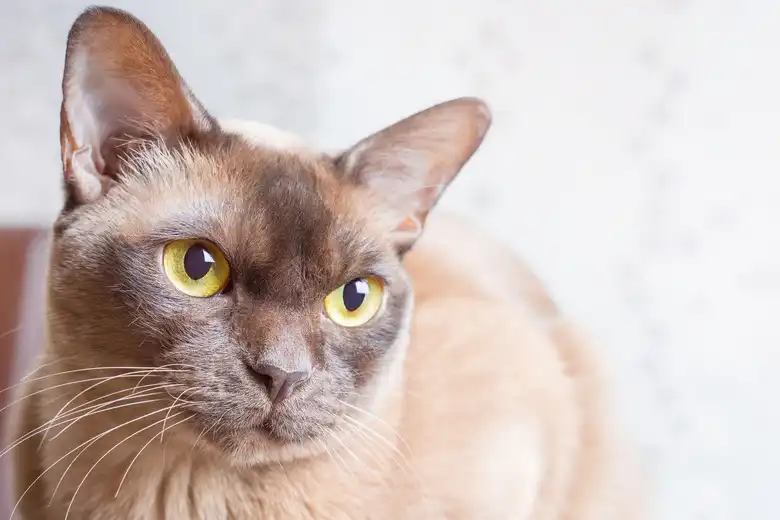
Burmese Cat Breed Characteristics
CatsCat BreedsBurmese Cat Breed CharacteristicsByKatherine MaloneNov 27, 2022 12:03 pm ESTElena Kabenkina/iStock/GettyImages #p26448d700d607fb71d0d0d742e1eee5c, #p26448d700d607fb71d0d0d742e1eee5c img { aspect-ratio: 6000/4000; height: auto; } In This ArticleBurmese cat quick factsBurmese cat historyBurmese cat personalityBurmese cat lifespan & health issuesBurmese cat grooming & careWelcoming a new catBurmese cat quick factsBurmese cat quick factsLength: 12 – 16 inchesWeight: 8 – 12 pounds, males tend to be larger than femalesLifespan: 12 – 16 yearsCoat length: ShortColoring: Sable, champaign, blue, or platinum with yellow or gold eyesMore Like ThisCatsEuropean Burmese Cats: Everything You Need to Know About This Affectionate BreedCatsTonkinese Cat Breed CharacteristicsCatsBirman Cat Breed CharacteristicsGrooming needs: LowFriendliness: Breed alone is not an accurate predictor of individual cats' personalities. However, Burmese cats are generally regarded as friendly, people-oriented cats.Burmese cats are arguably one of the best family cats around. They love people and enjoy the attention. They also do well even in households with children. They have a unique appearance with a compact body structure. Their short muzzle gives them a distinctive profile. Before bringing a purebred Burmese into your home, consider their personality and care needs to make sure it is a good match — both for you and your new cat.Annetka/iStock/GettyImages #e64fa0b8254152253f48ab362085b1440, #e64fa0b8254152253f48ab362085b1440 img { display: block; aspect-ratio: 1.5098939929329Burmese cat historyBurmese cat historyThe Burmese cat breed originated in Burma near the Thailand border. A dark brown cat named Wong Mau was brought to San Francisco and given to Dr. Joseph Thompson. When Dr. Thompson first saw the cat, he did not believe her to be a Siamese cat as many of his colleagues did. He then started a breeding program, where Wong Mau became the first cat bred to a seal point Siamese male named Tai Mau.Through the breeding program, Burmese breeders sought to bring out the traits that define the modern Burmese breed today. This included a medium-sized, compact body, rounded, wide-set eyes, and a short muzzle. Originally, all cats in the breed were sable in color. However, other colors emerged and were accepted by different breed registries over time.Breeders in Great Britain also contributed to the development of the breed and it was there that the first blue Burmese kitten was produced. The Cat Fanciers' Association (CFA) only recognizes four coat colors: blue, champaign, platinum, and sable. The International Cat Association (TICA), on the other hand, recognizes a wider range of solid and tortoiseshell pattern colors including lilac and chocolate.Burmese cat personalityBurmese cat personalityThe Burmese cat breed loves people. If you are looking for a cat that will truly be a loving part of the family, look no further. Burmese cats get along with children of all ages. These sociable cats frequently speak with a soft meow and are true lap cats who enjoy cuddling with any member of the family.The breed is very intelligent and they even have some dog-like traits in that they enjoy playing fetch. They can readily learn tricks from attentive family members. Burmese cats need plenty of attention. While they don't tend to be demanding, they may not be an ideal choice for a single person who works long hours.scaliger/iStock/GettyImages #e681451339002cfb43639fbef724569f1, #e681451339002cfb43639fbef724569f1 img { display: block; aspect-ratio: 1.5508684863524Burmese cat lifespan & health issuesBurmese cat lifespan & health issuesThis breed tends to have few health problems and generally lives 12 years or more. The breed is at risk for hypertrophic cardiomyopathy, a type of heart disease. Responsible breeders should screen their cats for the disease regularly. The test for the condition is a heart ultrasound. Therefore it may not catch the disease in the cat's early years of life.Some other health conditions that may affect the breed include diabetes mellitus and hypokalaemic polymyopathy, or low potassium levels that cause muscle weakness. In addition, some American Burmese kittens suffer from deformities of the brain and head.Although it is not common, feline orofacial pain syndrome can affect the breed. Cats with this condition lick and chew to express their discomfort. They may also rub or paw at their face. However, the pain is not constant. It is a neurological condition in which the nerves that communicate pain to the brain start misfiring.Burmese cat grooming & careBurmese cat grooming & careThe Burmese cat is a shorthair breed that needs very little grooming. Use a rubber brush about once per week to remove loose fur. Rub a soft cloth over their short coat to bring out the shine. As with all cats, be sure to check and trim their nails regularly and provide a cat tree and scratching post. Check and clean the cat's ears regularly and brush their teeth with toothpaste approved for use on pets.Feed the cat high-quality cat food as recommended by your veterinarian and provide fresh drinking water throughout the day. Be sure to clean the litter box each day and change out the cat litter regularly. Burmese cats should be kept indoors — their fearless and friendly personality can get them into trouble if they are outdoor cats.RichLegg/iStock/GettyImages #e3722bf9a8e4521a72fb0ea7d5a53cbce, #e3722bf9a8e4521a72fb0ea7d5a53cbce img { display: block; aspect-ratio: 1.3333333333333Welcoming a new cat into your homeWelcoming a new cat into your homeBurmese kittens are extremely playful. Adult cats tend to retain this quality, although the males tend to be more laidback than the female cats. In order to keep your new kitten safe, be sure to cat-proof the home. Set up a single room to introduce the cat to their new home. Make sure there is a litter box, food and water, toys, and a scratching post. Close off any potential hiding spots where the cat may get stuck or injured.Allow your cat to explore their home at their own pace. Spend plenty of time in the room, but don't force them to be petted or held. Let them come to you when they are ready for play or affection. Always use positive reinforcement with your new cat. Positive reinforcement helps them learn faster and builds stronger relationships.If you have other pets, make introductions through the door first. Ensure that all of the initial meetings are positive experiences for both pets. If you have children, teach them how to pet and hold the new cat. Make sure both the cat and the child are safe and happy in each other's company.Once your cat is comfortable in the new space, you can give them the freedom to explore more of the house. For these people-loving cats, it shouldn't take long — they will surely want to follow you around.ReferencesInternational Cat Care: BurmeseThe Cat Fanciers' Association: The BurmeseThe International Cat Association: Burmese Cat at a Glance
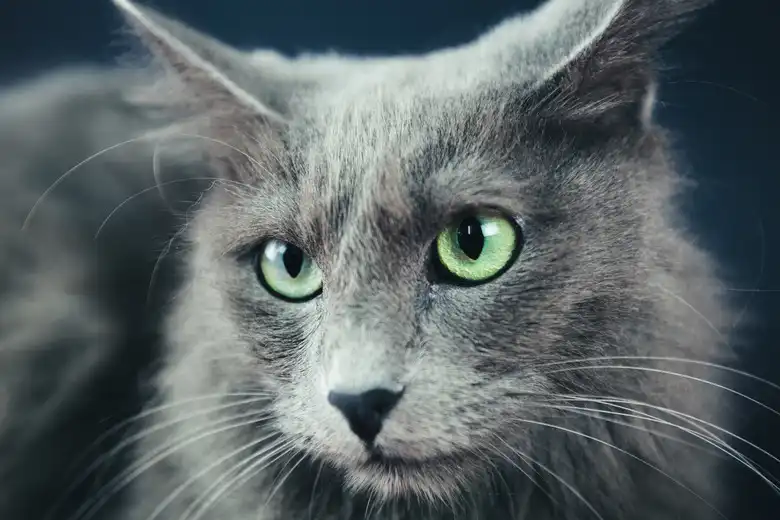
How To Identify A Nebelung Cat
CatsCat BreedsHow To Identify A Nebelung CatByPaige CerulliUpdated Feb 22, 2019urbazon/iStock/GettyImages #p88f3987683eb8daf4aae3e541046e969, #p88f3987683eb8daf4aae3e541046e969 img { aspect-ratio: 5472/3648; height: auto; }One of the great benefits of having cats is that each breed is so distinctly different in terms of appearance, personality, and habits. You can find a cat breed out there to fit your life, whether you're looking for a lap-loving, affectionate cat or a high-energy, regal cat. While they're a lesser-known breed, Nebelung kittens and cats offer a visually striking appearance combined with a highly affectionate personality. These cats aren't yet terribly common, so if you know how to recognize one, you could come across a great cat in a shelter.Nebelung physical traitsNebelung physical traitsPetfinder states that Nebelung cats have well-proportioned, athletic bodies. They have pointed heads with large, pointed ears and slightly oval, medium-sized eyes. Kittens may have eyes that change from yellow to green, but by the time a cat is an adult, he will have striking green eyes.PetMD explains that the term "Nebelung" means "creature of the mist" in German, and it's appropriate for this stunning breed of cat. Though the breed only originated in the 1980s, it has quickly become a popular and well-developed breed.Nebelung coat characteristicsNebelung coat characteristicsAccording to PetMD, Nebelung cats look similar to Russian blue cats, but with a few differences. The Russian blue's coat is short, and the Nebelung looks like a Russian blue with long hair. The Nebelung has a dense undercoat and a bright blue color that's accented by silver-tipped guard hairs. The result is a cat that almost seems to have a glowing halo, and her striking appearance looks a bit ethereal.Nebelung kitten and cat personalitiesNebelung kitten and cat personalitiesAccording to Petfinder, Nebelung kittens and cats have a fabulous personality. These cats are affectionate, loving, and very sweet, so it's easy to form a lifetime bond with a Nebelung. Nebelung cats are extremely devoted, and they'll follow their favorite humans around. They love to sit in your lap and be pampered, and if you treat them right, they'll be loyal to you for their entire lives.Like most cats, Nebelungs will quickly learn your routine, and they don't like changes to the household. For instance, if you've been working from home and go back to working full-time outside of the house, your cat may have trouble with the adjustment. Nebelungs are particular about their environment, and while they're typically pretty quiet, they will become quite vocal if they decide something is wrong. This means that keeping litter boxes clean and cat food dishes full is important, or you'll hear about it from your cat.While Nebelungs will strongly bond with their family, they're often cautious around strangers. This may be due to the breed's intelligence. Individual Nebelungs may have varying reactions to strangers, ranging from watching them carefully from across the room to hiding under the bed whenever someone unfamiliar enters the house.Finding a Nebelung catFinding a Nebelung catIf you would like to add a Nebelung cat to your home, be prepared to spend a bit of time finding one. Nebelung cats are not as common as some other breeds, but you may be able to find a cat available for adoption. Petfinder's Nebelung breed page displays shelters with adoptable Nebelungs, which can help to narrow your search. You should also check with your local shelters and rescues.If you can find a local breeder, they may have Nebelung cats for sale. Be sure that you choose only reputable breeders and that the breeder offers quality, healthy animals for sale. Cattime states that Nebelungs are generally healthy, but you'll definitely want to be sure to purchase a well-bred cat in good health so you start off well.ReferencesCattime: NebelungPetfinder: NebelungpetMD: Nebelung
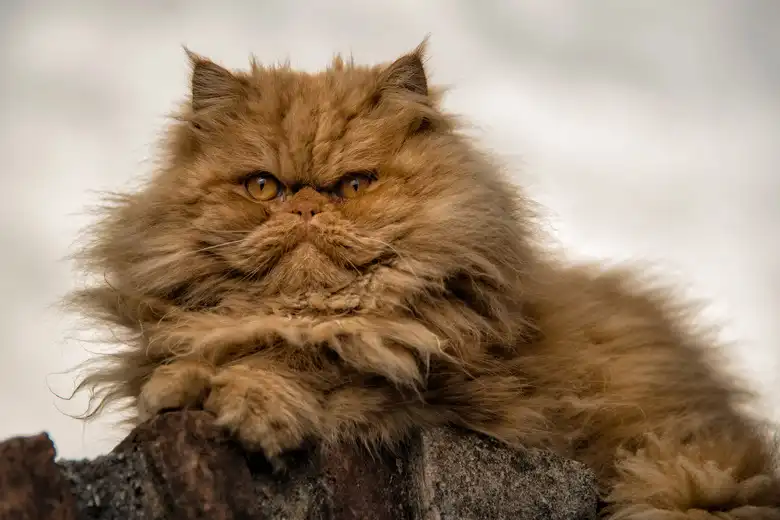
Persian Cat Breed Facts & Information
CatsCat BreedsPersian Cat Breed Facts & InformationBySusan DorlingUpdated Apr 19, 2022Rodrigo Pardo/iStock/GettyImages #p51016b51756583cd5556a8c2e3b89715, #p51016b51756583cd5556a8c2e3b89715 img { aspect-ratio: 5238/3497; height: auto; }Hailing originally from Persia (known internationally as Iran since 1935), the elegant and uber-glamorous Persian cat is distinguished by a luxurious, silky, long-haired coat, and a flat, round, pansy-like face that features a tiny button nose set between large, expressive eyes.Not just a pretty face, the bodacious Persian cat, also known as the Persian longhair, is also highly intelligent, charismatic, and engaging with her humans. And thanks to her charming personality, gentle disposition, and sweet, melodious voice, the sparkling Persian has won the hearts of millions to become the most popular cat breed in the world.Medium-sized, though massive and heavy-boned, the Persian is also known in the Middle East as the Iranian cat, and in Iran, they call them Shirazi cats. But no matter what you call Persians, these gorgeous cats are totally irresistible.Persian cat basicsPersian cat basicsPersian cats require an indoor, protected environment that is preferably calm and quiet, in tune with their refined sensibilities. Like with most cats, boisterous, rough-housing children may not be appreciated. Though Persian cats like a quiet environment, it's important, as with all cats, to give them access to stimulating toys and opportunities to play, to avoid boredom.Remarkably, Persians, unlike most other cat breeds, like to have their feet planted firmly on terra firma, and do not aspire to reach great heights. That means you don't need to construct a complex network of perches throughout your home to accommodate them, which is convenient.yanjf/iStock/GettyImages #e4c710e6abb1011dcd3447c9375bcaf93, #e4c710e6abb1011dcd3447c9375bcaf93 img { display: block; aspect-ratio: 1.3333333333333The history of the breedThe history of the breedWhere are Persian cats from? While the precise origin of the Persian cat is shrouded in mystery, it's clear they originated in the Persian empire, which today refers to Iran, a country formed over the center of the ancient Persian empire. However, muddying this theory a bit, early hieroglyphics depict long-haired cats that resemble Persian cats. This makes it difficult to know when exactly the Persian cat came to be.The first cat shows in Great Britain featured Persian cats, and by 1900, Americans were smitten and began importing them. From there, Persian cats' popularity caught on like wildfire worldwide. Today, Persian cats remain a popular and beloved breed.Persian cat personality and temperamentPersian cat personality and temperament"Sweet, gentle, and quiet with a grand touch of the show-off" best describe the irrepressible and adorable Persian cat.Persians do not demand constant access to your lap like some breeds do, yet they are utterly responsive to your lavish affection when they are in the mood. Persians love to decorate furniture by draping themselves over the top of the sofa or their favorite chair.Long-haired Persian cat appearanceLong-haired Persian cat appearancePersian cats' squishy little faces are the result of a short muzzle, and their heads are as round as an apple. Planted firmly on their short, stocky legs, Persians are covered in a flowing coat of long hair that is generally silky smooth, but also comes in a cotton candy format that relentlessly and almost uncontrollable tangles in maddening mats. Grooming alert!Bred to the nines for eons in a myriad of coat colors, including blue, silver, bi-color, and more, all have brilliant copper eyes. The one exception is the white-coated Persian cat who may have blue eyes or the combo of one blue and one copper eye of equal intensity.Essential facts about Persian catsJoão Pedro Neves/Moment/GettyImages #pab76edb83c208c9a12407323cec64328, #pab76edb83c208c9a12407323cec64328 img { aspect-ratio: 3656/2437; height: auto; }Essential facts about Persian catsPersonality: Affectionate, pleasant, non-abrasive, intelligent, creatures of habit.Shedding: Be prepared; without daily combing, your Persian will decorate your furniture with his fur.Grooming: Daily combing with a metal comb to avoid hair floating everywhere as well as cutting down on tangles and mats.Good with Children: YesGood with Other Pets: YesSize: Medium but full-bodied, deep-chested with short, thick legs.Weight: 7-12 poundsLife Expectancy: 12-17 yearsReferencesThe Cat Fancier's Association: Persian CatThe International Cat Association: Persian Breed at A Glance

Russian Blue Cat Breed Facts & Information
CatsCat BreedsRussian Blue Cat Breed Facts & InformationBySarah Jeanne TerryUpdated Apr 15, 2022We know when you're looking to adopt a cat, there are so many great breeds to choose from.Ludibarrs/iStock/GettyImages #e2866ad8ef5bb43c83ff06753f039aa1f, #e2866ad8ef5bb43c83ff06753f039aa1f img { display: block; aspect-ratio: 1.504If you're looking for a feline friend that is less likely to tickle your allergies, but still an affectionate and sweet companion, then the Russian blue cat might be perfect for you.These cats are beautiful to look at, lower in the protein that tickles our allergies, and they're shy but sweet in disposition. So if you think you need a cat like that, here are all the facts about the Russian blue that you need to know.Russian blue cat basicsRussian blue cat basicsThe Russian blue is an affectionate but very shy cat. These adorable, silvery, and gray short hairs love being around their people, but they won't be distraught if you need to leave them while at work. They're smart, observant, and curious, so you can expect a playful and occasionally mischievous cat. However, these kitties love routines and will appreciate stability in their life.More Like ThisCatsKorat Cat Breed Facts & InformationCatsSilver Bengal Cat Breed CharacteristicsCatsBengal Cat Breed CharacteristicsRussian blues are overall a healthy, breed but one disease that they have a tendency for is bladder stones. Also, these cats have a voracious appetite, typically, so they can become overweight. So you'll need to manage their food and exercise carefully to keep these cats svelte and healthy.Russian blue cat historyOlezzo/iStock/GettyImages #p3b5ebad5854c44670b4da586d86ffcff, #p3b5ebad5854c44670b4da586d86ffcff img { aspect-ratio: 5616/3744; height: auto; }Russian blue cat historyThese icy blue kitties have something of a storied history. Most evidence suggests that these cats originate just south of the Arctic Circle in the Russian port city of Archangel. These cats were historically popular pets with the Russian Tsars. One of the clearest early records of the Russian blue is in 1875 when a silver-blue cat called the "Archangel Cat" appeared on display at the Crystal Palace in Great Britain. Queen Victoria was charmed by the kitty and even adopted one into her collection.The breed was lumped in with other blue cat breeds for years, but Russian blue became an official breed in 1912.Russian blue cat personalityRussian blue cat personalityRussian blue cats are very affectionate, but they're also shy and relatively independent. They don't mind being left alone while their humans go to work. They tend to shy away when new people come into the home, and they won't be the type of cats to follow their humans from room to room.If you're looking for a good family cat, know that Russian blues tend to be good with older children that know how to be respectful. They also get along well with cat-friendly dogs.Russian blues are somewhat playful and can enjoy a little fetch or feather toy. But because they are so smart, their favorite game is making their humans do what they want. They also love to jump, climb, and they love to try squeezing into tiny spaces. They also love puzzles and challenges, so giving them toys that challenge their brains will keep them occupied for hours.Russian cat appearanceSenchy/Moment/GettyImages #p293696dd835fa02a6275f2544c95e20b, #p293696dd835fa02a6275f2544c95e20b img { aspect-ratio: 4288/2848; height: auto; }Russian cat appearanceRussian blues are a popular breed thanks to their good looks. They have lovely silver-blue short hair and glowing green eyes. Their thick blue coat is relatively easy to maintain with a few simple brushings once or twice a week. It will require more brushing when it sheds seasonally.Many people think the Russian blue is hypoallergenic, and it does produce less of the protein that causes allergies, along with mostly only shedding seasonally. However, it still produces some of the allergic protein, so it can still cause allergies.Russian blue cat essential factsRussian blue cat essential factsPersonality:Affectionate, reserved, smartShedding:Seasonal, somewhat hypoallergenicGrooming:WeeklyGood with Children:YesGood with Other Pets: YesSize: MediumWeight: 5-11 poundsLife Expectancy: 10-15 yearsReferencesCatTime.com: Russian BlueMental Floss: 8 Elegant Facts About Russian Blue Cats
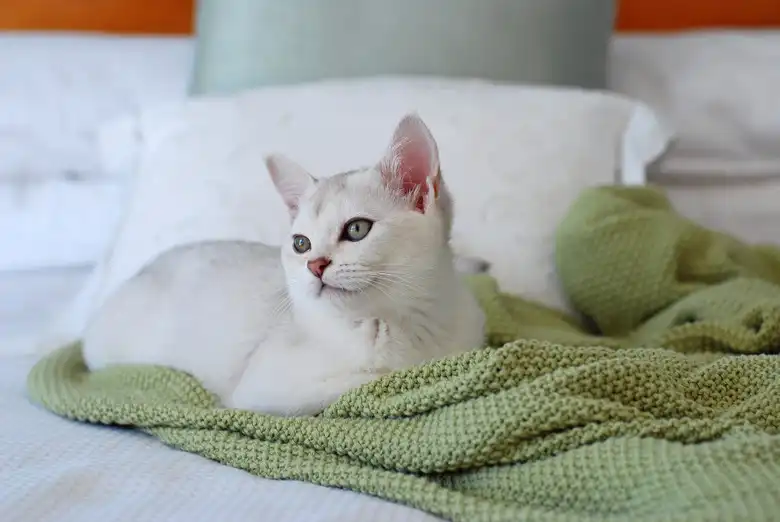
Burmilla Cat Breed Characteristics
CatsCat BreedsBurmilla Cat Breed CharacteristicsByKatherine MaloneFeb 9, 2023 12:03 pm ESTjennybonner/iStock/GettyImages #p25818cdf62b494b7fc1193e5579f4864, #p25818cdf62b494b7fc1193e5579f4864 img { aspect-ratio: 3872/2592; height: auto; } In This ArticleBurmilla cat quick factsBurmilla cat historyBurmilla cat personalityBurmilla cat lifespan & health issuesBurmilla cat grooming & careWelcoming a new catBurmilla cat quick factsBurmilla cat quick factsLength: 12 – 16 inchesWeight: Females: 9 – 11 pounds, Males: 11 – 13 poundsLifespan: 10 – 16 yearsCoat length: Short or longColoring: Silver white ground color with a shaded or tipped color pattern and any shade of green eyesMore Like ThisCatsEuropean Burmese Cats: Everything You Need to Know About This Affectionate BreedCatsBirman Cat Breed CharacteristicsCatsSnowshoe Cat Breed CharacteristicsGrooming needs: Low to mediumFriendliness: Breed alone is not an accurate predictor of individual cats' personalities. However, burmilla cats are generally regarded as fun-loving and affectionate.The burmilla cat is a playful and easygoing, medium-sized cat. The breed is a cross between Burmese and Persian cats and they boast a stunning shaded or tipped silver-white coat. The breed has both longhair and shorthair cats, but whichever you choose, know that the breed has only minimal grooming needs. Burmillas are not common in the United States. Be prepared to search for a reputable breeder and patiently wait for kittens to become available. These affectionate cats are worth the wait.jennybonner/iStock/GettyImages #e611c02ef5b27f1722ac9ea1a05568345, #e611c02ef5b27f1722ac9ea1a05568345 img { display: block; aspect-ratio: 1.4938271604938Burmilla cat historyBurmilla cat historyThe burmilla cat breed was developed as a cross between Persian and Burmese cats. The first litter of burmilla kittens was born in the United Kingdom in 1981. The initial breeding was unintentional and occurred when a chinchilla Persian male cat, Jemari Sanquist, owned by baroness Miranda Von Kirchberg, mated with a lilac Burmese female, Bambino Lilac Fabergé. The resulting litter of four female kittens displayed a stunning shaded silver color. A breeding program was then started to develop the breed.Although the breed was started in the UK, the burmilla cat is sometimes considered an Asian breed as both the Persian and Burmese cats originated in Asia. Burmillas are a new breed with the Cat Fanciers' Association (CFA) and they are still quite rare in the United States.The burmilla coat may be long or short. Longhaired burmillas have feathering on their belly, britches, bib, and tail plume. The undercoat is usually pure white, but some colors have a beige or ivory undercoat. The breed standard recognizes shaded or tipped colors including:blackbluecaramelchocolatelilacseal sepiaThe cats have green eyes and dark rims that give the cats the appearance of wearing eyeliner. It is important to note that kittens may have yellow or gold eye coloring, but their eyes should turn green as the cat matures.Burmilla cat personalityBurmilla cat personalityBurmillas are a laid-back breed with a sweet and affectionate nature. They tend to be social and want to be with the family. Most cats of the breed will enjoy the company of children and other pets. If you live alone, make sure you have plenty of time to spend with your cat. This breed doesn't like to be alone for long periods of time. If you work long hours or travel frequently, this may not be the best breed for your lifestyle.The cats are also curious, playful, and intelligent. They enjoy playtime with interactive toys and climbing and jumping to high locations throughout the house. You can also teach them tricks using plenty of positive reinforcement.Andrew Linscott/iStock/GettyImages #ed6f0825e37a32a3daaf3d22a1fbff389, #ed6f0825e37a32a3daaf3d22a1fbff389 img { display: block; aspect-ratio: 1.5512713048338Burmilla cat lifespan and health issuesBurmilla cat lifespan and health issuesA healthy burmilla cat receiving proper care can live well into their teens. While they are generally a healthy breed, some cats may be susceptible to allergies or kidney diseases such as polycystic kidney disease, which causes cysts to build up on the kidneys and decreases kidney function.Reputable breeders will screen their cats for health problems and avoid breeding any cat that is suffering from or shown to be a carrier of a hereditary disease.The CFA still allows breeders to outcross burmillas to European Burmese cats and Persian cats in the silver and golden divisions. Breeders should also make sure these cats have been thoroughly screened so that new hereditary problems aren't introduced to the burmilla breed. Some health problems that may affect the Burmese breed, for example, include:diabetes mellitushypokalaemic polymyopathyfeline orofacial pain syndromeBurmilla cat grooming and careBurmilla cat grooming and careBurmilla cats are generally low maintenance and require only minimal grooming. Weekly brushing is all that is needed for your shorthaired burmilla. Even longhair burmillas rarely have trouble with matting due to their semi-longhair, silky coat. Though more frequent brushing may be needed to keep the hair free of tangles.In addition, make sure to complete other regular care and grooming which includes:brushing the cat's teeth with a veterinarian-approved toothpastechecking and trimming the cat's nailschecking and cleaning the cat's earsFeed your cat high-quality commercial cat food as recommended by your veterinarian and make sure they always have access to clean drinking water. Obesity can be a concern, especially as the cats become less active in their senior years. Make sure to encourage regular playtime. Take your cat in for regular veterinary checkups to make sure they are healthy and up-to-date on all of the recommended vaccinations.Tomás Ryant / EyeEm/EyeEm/GettyImages #eb727544f2535fbb0007ae71aa7f93abc, #eb727544f2535fbb0007ae71aa7f93abc img { display: block; aspect-ratio: 1.5Welcoming a new cat into your homeWelcoming a new cat into your homeBringing home your new burmilla kitten is an exciting event. Make sure you are ready by taking the time to cat-proof the home before the kitten's arrival. Keep in mind that burmillas love to climb and jump. Don't forget to check the higher shelves and the tops of the bookshelves and refrigerator.Set up a room where your new cat can safely adjust to their new environment. Supply the room with everything your new cat may need including:food and waterlitter boxcat treescratching postcat toysSpend plenty of time with your new cat when they arrive, but avoid pressuring them to be petted or explore before they are ready. Allow them to move at their own pace and approach you when they are ready to interact. If you have children and other pets, introduce them to the new cat. Supervise their interactions so it is a positive experience — for everyone.Once your cat is comfortable in the new environment, you can open the door and allow the cat access to more of the home. Before you know it, the social and affectionate burmilla will be an active part of your family.ReferencesAll About Cats: Burmilla CatThe Cat Fanciers' Association: About the Burmilla
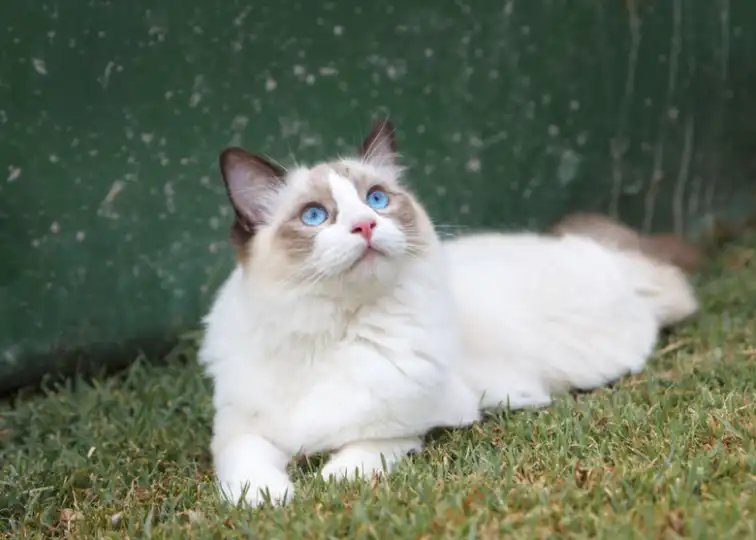
The Differences Between Ragdoll & Birman Cats
CatsCat BreedsThe Differences Between Ragdoll & Birman CatsByKatherine MaloneUpdated Apr 22, 2022silkenphotography/iStock/Getty Images #pce2e5c15f4475d89a5b8601482e9bb15, #pce2e5c15f4475d89a5b8601482e9bb15 img { aspect-ratio: 2050/1464; height: auto; }The Birman and ragdoll are similar cat breeds that may be difficult to differentiate at first glance. This makes sense since the Birman breed was used in breeding the first ragdoll cats. There are several differences between the two breeds, including differences in the breed standard, history, and health.Ragdoll vs. Birman historyRagdoll vs. Birman historyThe legend of the Birman cat is that they were raised in a temple in Birma by Kittah priests, and when their master died, his soul entered the cat, giving the Birman his beautiful coloring. However, there is no evidence that these cats originated in Birma. The breed can only be definitely traced back to 1920s France, and the cats were brought to the United States in the 1960s.Ragdoll cats were developed in the 1960s by Ann Baker of Riverside, California. As with the Birman breed, there is a bit of mystery as to the origins of the breed. While the foundation cats are believed to be known, Baker alleges that the breed came about after the foundation female cat's genes were altered after an accident.Birman and Ragdoll cat size comparisonLUIS JAVIER GASPAR FRAILE/iStock/Getty Images #p6fb8e600c750c2084e2de81df81177d8, #p6fb8e600c750c2084e2de81df81177d8 img { aspect-ratio: 3456/2304; height: auto; }Birman and Ragdoll cat size comparisonRagdoll cats are larger than Birman cats. Ragdolls are a large breed of cat with females weighing 10 to 15 pounds and males weighing 15 to 20 pounds. Male Birman cats also tend to be larger than female cats, but they are considered a medium-large breed with an average weight of about 12 pounds.Birman vs. ragdoll appearanceBirman vs. ragdoll appearanceWhile initially you may think there is little difference between the Birman and ragdoll cats, there are several differences in appearance that you can look for. Both breeds have blue eyes, long hair, and a pointed coat pattern. This coloring includes a light-colored body with darker coloring on the legs, tail, face, and ears.The Birman cat breed comes in all pointed colors, and they have distinctive white feet. The ragdoll also comes in all the pointed colors, and while some may have white feet, this is not required under the breed standard.Ragdoll cats also come in other colors and patterns, including a bicolor pattern with all white feet and legs and a mitted pattern with white front paws and hind legs and a white stripe from under the chin all the way down the underbelly. In addition, while both cats have silky hair, the ragdoll cat has a minimal undercoat, while the Birman does not have an undercoat.Birman cat vs. ragdoll temperamentBirman cat vs. ragdoll temperamentWhile breed is not a reliable indicator of temperament, there are some differences in personality to consider between the two breeds. Birman cats are described as lap cats who are both loyal and loving. They are laid back and friendly and will bask in any attention you or your guests may offer. They may spend most of their time in the laps of their owners, but that doesn't mean they aren't playful and curious. They love chasing toys when the mood strikes.ChrisRinckes/iStock/Getty Images #eb086827be42eeaee470d5678cc82dfc9, #eb086827be42eeaee470d5678cc82dfc9 img { display: block; aspect-ratio: 1.7780160857909Ragdoll cats are described as loving, social, and sweet. They live up to their name in that they will generally allow their body to go limp when you pick them up. They are quiet and affectionate and are very tolerant of other family members, including children and other pets.Birman and ragdoll healthBirman and ragdoll healthBirman cats are generally a very healthy breed. The International Cat Association does not list any genetic health problems for owners to be concerned about. With proper care, healthy cats can live for nine to 15 years or more.Ragdoll cats should be tested for hypertrophic cardiomyopathy. This is a common type of heart disease that may have a genetic component. The cats have a similar life expectancy as the Birman breed, living into their midteens or longer if they are healthy and receive proper care.ReferencesThe International Cat Association: The Birman BreedThe International Cat Association: The Ragdoll BreedCatster: Cat Colors — Get the Fascinating Facts Behind Cat Coats & PatternsThe International Cat Association: Birman Breed StandardThe International Cat Association: Ragdoll Breed Standard
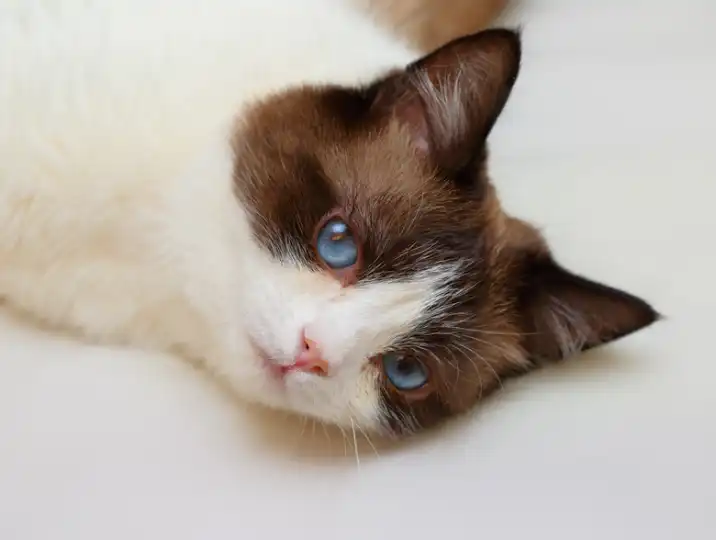
Snowshoe Cat Breed Characteristics
CatsCat BreedsSnowshoe Cat Breed CharacteristicsByKatherine MaloneNov 22, 2022 12:03 pm ESTMik122/iStock/GettyImages #p55b66a1895bf78c55368d332e652df2f, #p55b66a1895bf78c55368d332e652df2f img { aspect-ratio: 2825/2131; height: auto; } In This ArticleSnowshoe cat quick factsSnowshoe cat historySnowshoe cat personalitySnowshoe cat lifespan & health issuesSnowshoe cat grooming & careWelcoming a new catSnowshoe cat quick factsSnowshoe cat quick factsLength: 12 – 18 inchesWeight: Females: 7 – 10 pounds, males: 9 – 12 poundsLifespan: 5 – 20 years or moreCoat length: ShortColoring: Kittens are born white but they develop a colorpoint pattern after a few weeks. Adult cats have a pointed coat pattern, usually a seal point or blue point pattern, as well as white feet and blue eyes.More Like ThisCatsTonkinese Cat Breed CharacteristicsCatsBurmilla Cat Breed CharacteristicsCatsBirman Cat Breed CharacteristicsGrooming needs: LowFriendliness: Breed alone is not an accurate predictor of individual cats' personalities. However, snowshoe cats are generally regarded as playful and loyal.The snowshoe cat breed has a unique appearance with their beautiful colorpoint coat, blue eyes, and white mittens on all four paws. You may recognize the breed from famous cats like Dusty the Klepto Kitty and Burton the Cat. The most famous of all is Grumpy Cat, a mixed-breed cat who is likely part snowshoe. The cats make a wonderful choice for many people as they get along with all human and animal family members, but the breed isn't for everyone. Consider the snowshoe cat's personality and care requirements before deciding to bring a kitten into your family.Iuliia Alekseeva/iStock/GettyImages #e1fe8da97eb6bca5c0e661efbbee82f60, #e1fe8da97eb6bca5c0e661efbbee82f60 img { display: block; aspect-ratio: 1.504Snowshoe cat historySnowshoe cat historyThe snowshoe cat is a fairly new breed that was developed in the 1960s by Siamese cat breeder Dorothy Hinds Daugherty. She bred Siamese kittens and one of the litters had kittens with white paws. The white markings on the feet were considered a fault under the Siamese cat breed standard.She decided to develop what is now known as the snowshoe cat breed with a colorpoint coat pattern and four white feet. This was the result of breeding the cats with American shorthair cats that had tuxedo markings. Another breeder, named Vikki Olander, also played a large role in developing the Snowshoe cat breed.The unique coloring is the result of a recessive gene. Snowshoe kittens are born with a white coat and after a few weeks start developing a colorpoint pattern, which may not fully develop until the cat is two years old. Seal point and blue point are the most common coat colors, but some cats may also be lilac and chocolate. The cats have blue, walnut-shaped eyes.The snowshoe breed of cat was originally called silver lace. The breed is not recognized by the Cat Fanciers' Association (CFA). However the American Cat Fanciers Association (ACFA), Cat Fanciers Federation (CFF), and the International Cat Association (TICA) all recognize the breed.Snowshoe cat personalitySnowshoe cat personalitySnowshoe cats have personality traits from both their American shorthair and Siamese ancestors. They are playful, intelligent, and easy to train. You can teach them how to:walk on a leashplay fetchcomplete feline agility courses.Don't be surprised when they learn to open doors and cabinets. Be sure to use plenty of positive reinforcement to train the cats.Not only can you teach the snowshoe cat tricks, but the cats are also somewhat dog-like in that they love water. While many cats avoid getting wet at all costs, the snowshoe cat will happily jump in the sink or tub.Cats are also incredibly social and loyal. They generally get along will all members of the family, including children and other pets. Snowshoes are also quite vocal and will meow frequently. It is important that the snowshoe cat is not left alone for long periods of time as companionship is important to the breed's mental health and they may cause problems if they get bored and lonely.Iuliia Alekseeva/iStock/GettyImages #e57cc6bb433768734d72fd6d6cc5ec2d7, #e57cc6bb433768734d72fd6d6cc5ec2d7 img { display: block; aspect-ratio: 1.504Snowshoe cat lifespan and health issuesSnowshoe cat lifespan and health issuesHealthy snowshoe cats can live well into their teens and even 20s. The breed has few genetic health issues. In rare cases, cats may suffer from:hypertrophic cardiomyopathy: a heart condition that causes thickening of the heart wall. There is no cure for this disease, but the symptoms can be managed.polycystic kidney disease: a genetic condition that causes cysts to develop in the kidneys. It can be managed through diet, fluids, and medicine. However there is no cure for this disease.Like their Siamese ancestors, snowshoe cats may also be born with a kinked tail or crossed eyes. Fortunately, these are cosmetic issues that don't affect the cat's health or lifespan.Snowshoe cat grooming and careSnowshoe cat grooming and careThe snowshoe cat has a short coat that is easy to groom. Brush the cat about once per week. More frequent grooming can be beneficial when a cat is shedding their winter coat. Other grooming tasks include:trim the cat's nailscheck and clean the cat's earsbrush the cat's teeth with a toothpaste that is veterinarian approved for catsFeed a high-quality commercial cat food as recommended by your veterinarian and make sure the cat always has access to clean drinking water. Have regular playtime with a snowshoe cat to keep them sociable and healthy.Eva Lopez / EyeEm/EyeEm/GettyImages #e88107afba5c679524aad5d8cc57020c9, #e88107afba5c679524aad5d8cc57020c9 img { display: block; aspect-ratio: 1.5Welcoming a new cat into your homeWelcoming a new cat into your homeBefore bringing a new snowshoe kitten or cat into your home, make sure you cat-proof the home. This includes:remove poisonous plantssecure toxic cleaning suppliesput breakable objects in a safe locationpick up rubber bands and other small objects that can harm your cat if eatenThis is especially important for this intelligent and curious breed — they are likely to get into everything around the home. Set up a secure room where you can welcome your new and get them adjusted. Set up their food and water, litter box, cat tree, and scratching post to help make the room feel like home.Spend plenty of time in the room with your new cat, but be sure to allow the cat to explore on their own. When they are ready, they will come to you to cuddle or be petted. It is important not to rush the new cat. With patience and positive reinforcement, you will soon have a loving and trusting relationship with your new cat.If you have other pets in the home, allow them to smell and meet each other through the door or a baby gate. This ensures that both animals have a positive experience. In general, snowshoe cats get along with other pets.Once your new cat is comfortable with the new location and all of the members of the family, you can open the door and allow them access to more of the house. Before you know it, your loyal cat will be following you around the house — and talking to you throughout the day.ReferencesInternational Cat Association: Snowshoe at a GlanceAmerican Cat Fanciers Association: Snowshoe Breed StandardCornell University College of Veterinary Medicine: Cornell Feline Health Center – Hypertrophic CardiomyopathyVCA Animal Hospitals: Polycystic Kidney Disease in Cats
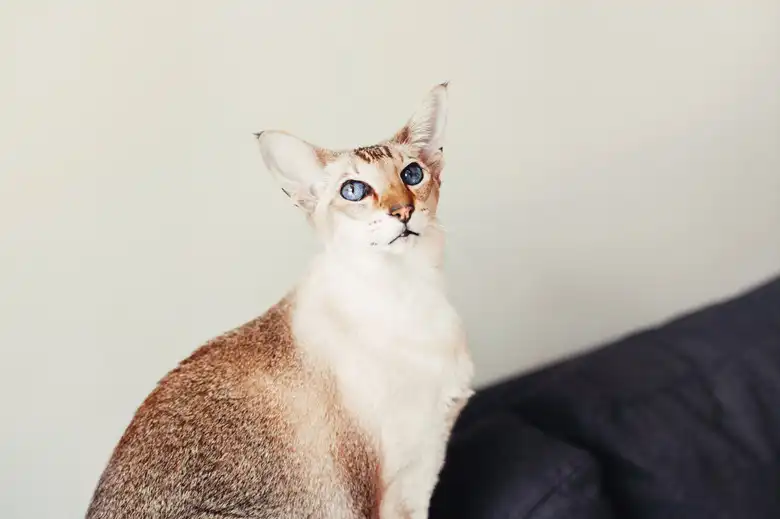
Colorpoint Shorthair Cat Breed Characteristics
CatsCat BreedsColorpoint Shorthair Cat Breed CharacteristicsByKatherine MaloneFeb 22, 2023 12:03 pm ESTAnna Kraynova / EyeEm/EyeEm/GettyImages #pffd7c79e246b8fdd86e287102afb370b, #pffd7c79e246b8fdd86e287102afb370b img { aspect-ratio: 4955/3303; height: auto; } In This ArticleColorpoint shorthair quick factsColorpoint shorthair cat historyColorpoint shorthair cat personalityColorpoint shorthair cat lifespan & health issuesColorpoint shorthair cat grooming & careWelcoming a new catColorpoint shorthair quick factsColorpoint shorthair quick factsLength: 12 – 16 inchesWeight: Females: 5 – 8 pounds, Males 8 – 12 poundsLifespan: 12 – 16 yearsCoat length: ShortColoring: Colorpoint coat pattern with blue eyesMore Like ThisCatsEuropean Burmese Cats: Everything You Need to Know About This Affectionate BreedCatsKhao Manee Cat Breed CharacteristicsCatsBirman Cat Breed CharacteristicsGrooming needs: LowFriendliness: Breed alone is not an accurate predictor of individual cats' personalities. However, colorpoint shorthair cats are generally regarded as affectionate and loyal.The colorpoint shorthair is only distinguishable from the Siamese cat by their coloring. The breed comes in 16 different colors and patterns including lynx point and parti-color point. If you are looking for a beautiful, talkative cat that is both social and affectionate, the colorpoint shorthair may be a perfect choice. Be prepared to wait for a kitten, though, especially if you have your heart set on a certain coat color. Carefully consider the breed's care requirements and personality before committing to bringing a colorpoint shorthair into your home.~UserGI15613517/iStock/GettyImages #e59e87eb8c1c9bd89ead92c28ae0093e6, #e59e87eb8c1c9bd89ead92c28ae0093e6 img { display: block; aspect-ratio: 1.5Colorpoint shorthair cat historyColorpoint shorthair cat historyThe colorpoint shorthair cat breed was developed by breeding seal point Siamese with a red tabby American shorthair cat. The intention was to create a Siamese cat with red coloring. The match was successful and the Cat Fanciers' Association (CFA) granted championship status to red and cream points colorpoint shorthairs.While the Siamese cat comes in four basic colors, including seal point, chocolate point, blue point, or lilac point, there are 16 different colors and patterns currently recognized by the Association for the colorpoint shorthair breed. These include:solid point colors: cream point and red pointlynx point colors: blue, chocolate, cream, lilac, red, seal, blue cream, chocolate-tortoiseshell, lilac-cream, and seal-tortieparti-color point colors: seal-tortie point, chocolate-tortie point, blue-cream point, and lilac-cream pointThe ways different cat registries classify these cats vary. The Cat Fanciers' Association recognizes the colorpoint shorthair as a separate breed. Other registries, such as the International Cat Association (TICA), group these cats into the Siamese breed of cat.Due to their close relationship with Siamese cats, colorpoint shorthairs share much of the cat breed information. The cats have the same physical characteristics as the Siamese including a muscular body, wedge-shaped head, and almond-shaped eyes.Colorpoint shorthair cat personalityColorpoint shorthair cat personalityThe colorpoint shorthair shares some personality traits with their Siamese cousins. The breed tends to be talkative. They often meow and tend to have a voice that is a bit raspy. The cats are devoted to their family and may follow you around the home. They may even settle on your lap or by your side.They also enjoy playing and can easily be enticed into a game of fetch. The cats are also very intelligent and can be trained to do tricks or walk on a leash. Colorpoint shorthair cats enjoy warm environments and when they aren't snuggling up to you, they can often be found basking in the sun.The breed enjoys company and is very loyal. Therefore they shouldn't be left alone for long periods of time. If you live alone, work long hours, or travel frequently, this may not be the best breed of cat for you.Anna Kraynova / EyeEm/EyeEm/GettyImages #e2b54f21971c10508199fed8c9bc76ea9, #e2b54f21971c10508199fed8c9bc76ea9 img { display: block; aspect-ratio: 1.5Colorpoint shorthair cat lifespan and health issuesColorpoint shorthair cat lifespan and health issuesA healthy colorpoint shorthair has a long expected lifespan and can live 12 to 16 years. There are some genetic health problems that affect the breed. Like Siamese cats, colorpoint shorthairs may have crossed eyes or develop other types of eye disease such as progressive retinal atrophy or feline glaucoma.Some other hereditary conditions include:amyloidosisasthmacongenital heart defectsdental problemsResponsible cat breeders will have their cats tested and examined regularly and avoid breeding cats with health problems that may be passed on to their kittens.Colorpoint shorthair cat grooming and careColorpoint shorthair cat grooming and careColorpoint shorthair cats have short coats that are very low maintenance. They don't shed much, so weekly brushing is generally plenty to keep their coat healthy. While these cats shed less than some other breeds, they are not hypoallergenic.Make sure to also check and clean their eyes and ears and trim their nails regularly. As the breed may be more susceptible to dental problems, it is important to brush their teeth regularly with veterinarian-approved toothpaste.Feed them high-quality commercial cat food as recommended by your veterinarian. Obesity is a concern for colorpoint shorthair cats. Avoid free feeding and take time to play with your cat each day to keep them active. Provide fresh drinking water at all times.Take your cat in for regular veterinary checkups. These are important to make sure your cat isn't suffering from any undiagnosed health conditions and that they are maintaining a healthy weight. Make sure they get their recommended vaccinations as well.~UserGI15613517/iStock/GettyImages #ef07df174bca4c27526aff6200e5bd1a6, #ef07df174bca4c27526aff6200e5bd1a6 img { display: block; aspect-ratio: 1.5Welcoming a new cat into your homeWelcoming a new cat into your homeWhen bringing home a new colorpoint shorthair kitten or adult cat, it is important to take some time to set up your home to make sure it is safe for your new pet. Some cat-proofing steps include:removing any toxic plantslocking up mothballs and any toxic cleaning suppliessecuring fragile items that a curious cat may breakSet up a room where you can welcome your cat when they first arrive. The smaller space gives your cat the opportunity to adjust to the new environment. Set up the room with everything they need including food, water, and a litterbox. Make sure there is also a cat tree and scratching post so that they can scratch and climb without damaging your furniture.Colorpoint shorthairs are a social breed, so spend plenty of time in the room with your new cat. Don't rush them into exploring or bonding with you. Instead, offer to play, allow them to come to you when they are ready, and use plenty of positive reinforcement.This is a good time to introduce the new cat to children and any other pets you have in the household. Supervise the interactions and take a break if your cat becomes overwhelmed. When your cat is comfortable, you can open the door and allow your cat to have access to the rest of the house. With a bit of patience, your new colorpoint shorthair will be following you around the home — and telling you about their day.ReferencesAll About Cats: Colorpoint Shorthair CatCat Fanciers' Association: The Colorpoint Shorthair
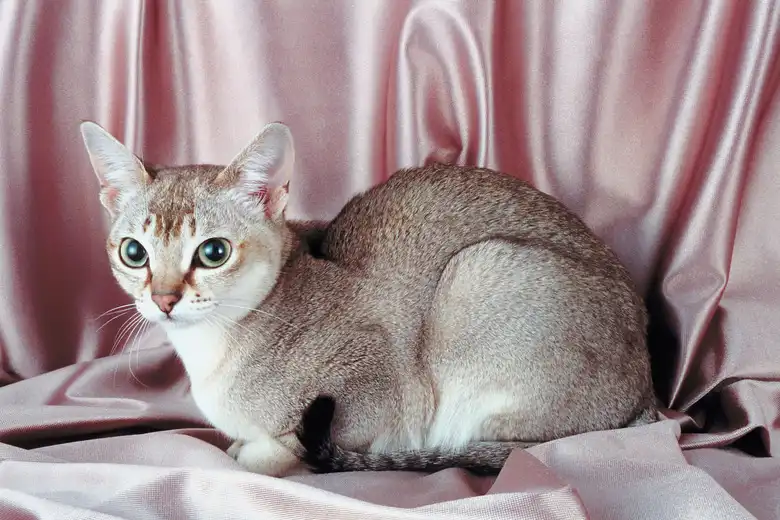
Singapura Cat Breed Facts & Information
CatsCat BreedsSingapura Cat Breed Facts & InformationByKatherine MaloneUpdated Apr 15, 2022Jupiterimages/PHOTOS.com>>/GettyImages #pf3adf71bffe21db9847d54dac41daad2, #pf3adf71bffe21db9847d54dac41daad2 img { aspect-ratio: 3300/2203; height: auto; }Singapura cats may be the smallest cat breed, but they are full of energy and personality. Originating from Singapore in Malaysia, these extroverted cats are perfect for a family with children and other pets. The Singapura cat was brought to the United States from southeast Asia in the 1970s. Singapura cats were accepted into the International Cat Association in 1979 and into the Cat Fanciers' Association for registration in 1982. Consider whether their personality and temperament are right for your family and lifestyle.Singapura cat breed appearanceSingapura cat breed appearanceSingapura cats are quite small, with females weighing just 4 to 6 pounds. Male Singapura cat size is 6 to 8 pounds. Their small size doesn't mean they are fragile, however, as the breed has a compact and muscular build.Their coat comes in a single color: sable with a ticked tabby pattern. The sable may be different shades and is similar to that of a cougar. There aren't long-haired Singapura cats in the breed; they have a short coat. Singapura cats have large ears and eyes. As adults, the eyes may be hazel, yellow, or green in color. A kitten's eye color does not predict her eye color as an adult.More Like ThisCatsTurkish Angora Cat Breed Facts & InformationCatsAbyssinian Cat Breed CharacteristicsCatsSilver Bengal Cat Breed CharacteristicsIt takes longer for a Singapura kitten to reach maturity than some other breeds. They grow into their full size when they are 15 to 24 months old.Singapura temperament and personalityViktor/iStock/GettyImages #p244d17908f9335ae99be5387f06646e9, #p244d17908f9335ae99be5387f06646e9 img { aspect-ratio: 8000/5333; height: auto; }Singapura temperament and personalityWhile breed is not a reliable indicator of temperament, there are some common characteristics you will find in most Singapura cats. They tend to be outgoing and curious. They enjoy a lot of attention and don't do well without the company of people, dogs, and other cats.The breed is very intelligent and likes to explore, so expect these cats to get into drawers and on top of cabinets. Many Singapura cats are quite vocal in their communication. Singapura cats can't be described as couch potatoes, but that doesn't mean they won't stay close and even cuddle in your lap while you are watching TV or reading.Care for Singapura cat breedsCare for Singapura cat breedsHow long do Singapura cats live? The breed's life expectancy is 11 to 18 years. There are some genetic conditions known to occur in the breed, so make sure the breeder is testing for these before you commit to purchasing a kitten. Some of these conditions include pyruvate kinase deficiency, which may cause anemia and progressive renal atrophy.Feed your Singapura cat a diet that is high in protein and fat and make sure she always has fresh water available. Most cats will do well on a high-quality commercial dry or wet cat food. If your cat isn't drinking enough water, try moving the water dish several feet away from her food or introduce a drinking fountain that may help entice her to drink.Viktor/iStock/GettyImages #e68e6c42f68225b70ac4736f9aa028930, #e68e6c42f68225b70ac4736f9aa028930 img { display: block; aspect-ratio: 1.5000937558597With their short coat, Singapura cats only need weekly brushing, although most cats will enjoy more frequent grooming. Check and trim their nails every three to four weeks. Make sure to provide suitable scratching posts for your cat. These high-energy cats are playful and enjoy playing with toys. Take care when playing with these cats, as they may be possessive of toys and may mistake your hand for a toy in the heat of the moment.ReferencesThe Cat Fanciers' Association: About the SingapuraThe International Cat Association: Singapura BreedThe Cat Fanciers' Association: Singapura Breed Presentation 2020
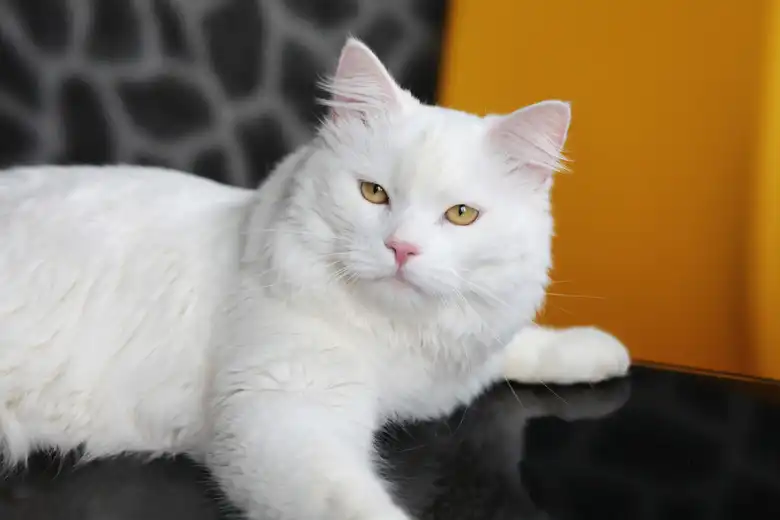
Turkish Angora Cat Breed Facts & Information
CatsCat BreedsTurkish Angora Cat Breed Facts & InformationByKatherine MaloneUpdated Apr 19, 2022juliazara/iStock/GettyImages #pb1fc28cbb7cb8c36e97b3964849924a8, #pb1fc28cbb7cb8c36e97b3964849924a8 img { aspect-ratio: 5616/3744; height: auto; }The Turkish Angora cat is an elegant cat with beautiful, long fur. They are known to have some doglike behaviors, such as greeting you at the door and interacting with guests in your home. If you are looking for an active, affectionate, and playful cat, the Turkish Angora is a good choice to bring into your home.Turkish Angora cat appearanceTurkish Angora cat appearanceThe Turkish Angora is a medium-size cat weighing between 5 and 10 pounds. Adult males are generally larger and heavier than females. They are considered semi-longhaired cats.More Like ThisCatsAbyssinian Cat Breed CharacteristicsCatsBurmilla Cat Breed CharacteristicsCatsBirman Cat Breed CharacteristicsThe most common and popular color for the Turkish Angora cat is a white coat with blue eyes. However, many other colors and patterns and eye colors are accepted under the breed standard.Turkish Angora cat breed historyTurkish Angora cat breed historyThe breed originates from the Ankara region of Turkey. References and records of the breed date back to the 1600s. The breed was used in Persian breeding programs, but in an effort to preserve the Turkish Angora cats, the Ankara Zoo started a breeding program focused on white cats. In the 1960s, a breeding program for Turkish Angora cats was started in the United States.Personality and temperamentPersonality and temperamentWhile breed is not an indicator of temperament, the personality of the Turkish Angora cat can be described as loyal, affectionate, and clownlike. They are clever and outgoing. Don't be surprised if your Turkish Angora cat meets you at the door or learns how to open cabinet doors. They are very social cats and do well in families with older children and other pets.The cats are athletic and agile. You may find them in unexpectedly high locations, such as on the top of a fridge or on top of a door. They remain playful into adulthood and will enjoy playing with toys and may even pick up a game of fetch. Turkish Angora cats are unique in that they are attracted to water and are excellent swimmers.Turkish Angora cat careBERKO85/iStock/GettyImages #p60ab7297f5bf86e3972ae19523db7553, #p60ab7297f5bf86e3972ae19523db7553 img { aspect-ratio: 4889/3308; height: auto; }Turkish Angora cat careDaily grooming is recommended to keep their long hair free of tangles and mats. However, don't worry if you can only brush them a couple of times per week, as their coat is silky and resistant to matting. You can also give these cats an occasional bath with a gentle shampoo designed for pets. Check and trim their nails weekly.Feed them a high-quality commercial food that is primarily meat-based to support their active lifestyle. Make sure that they have plenty of fresh water at all times.Turkish Angora health considerationsTurkish Angora health considerationsThe Turkish Angora breed is long-lived. Healthy cats receiving proper care can live into their 20s. The breed is prone to complete or partial deafness. White Turkish Angora kittens and cats can be tested for hearing loss with a brainstem auditory evoked response test.Responsible breeders should also test the cats for hypertrophic cardiomyopathy (HCM). This is the most common type of heart disease in felines, and there may be a genetic link to the condition. HCM is a thickening of the left ventricle of the heart. Some cats may be asymptomatic, while others may experience lethargy and difficulty breathing. The disease is progressive, and symptoms can worsen over time.ReferencesThe International Cat Association: The Turkish Angora BreedThe Cat Fanciers' Association: About the Turkish AngoraCornell Feline Health Center: Hypertrophic Cardiomyopathy
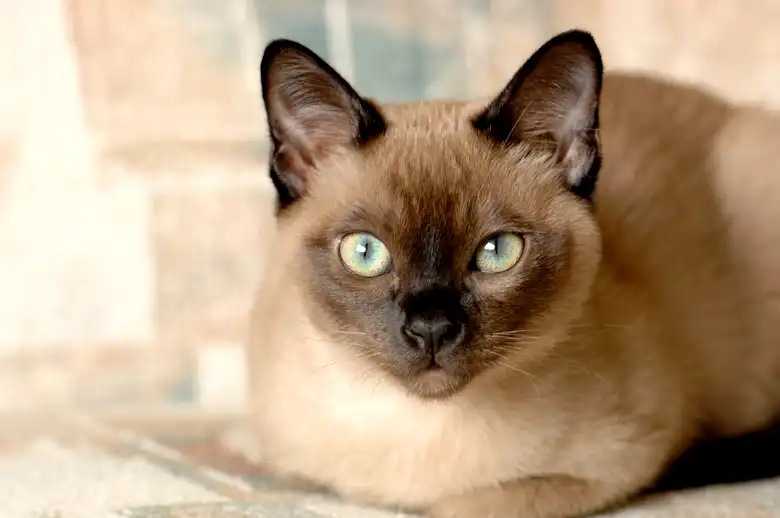
Tonkinese Cat Breed Characteristics
CatsCat BreedsTonkinese Cat Breed CharacteristicsByKatherine MaloneDec 4, 2022 12:03 pm ESTCarolinaSmith/iStock/GettyImages #p04a0899b99f0a54b86745184e69ff117, #p04a0899b99f0a54b86745184e69ff117 img { aspect-ratio: 4288/2848; height: auto; } In This ArticleTonkinese cat quick factsTonkinese cat historyTonkinese cat personalityTonkinese cat lifespan & health issuesTonkinese cat grooming & careWelcoming a new catTonkinese cat quick factsTonkinese cat quick factsLength: 12 – 15 inchesWeight: Females: 6 – 8 pounds, males: 8 – 12 poundsLifespan: 12 – 16 yearsCoat length: ShortColoring: Blue, champagne, natural, and platinum. Coat patterns include a pointed coat with blue eyes, a mink coat with aqua eyes, or a solid coat with yellow-green eyes.More Like ThisCatsSnowshoe Cat Breed CharacteristicsCatsEuropean Burmese Cats: Everything You Need to Know About This Affectionate BreedCatsBurmilla Cat Breed CharacteristicsGrooming needs: LowFriendliness: Breed alone is not an accurate predictor of individual cats' personalities. However, Tonkinese cats are generally regarded as sweet and loyalThe Tonkinese cat is a medium-sized cat with a beautiful coat and almond-shaped eyes. They just might be the ideal combination of a playful lap cat. Plus if you already have other pets or children in the home, the Tonkinese is sure to enjoy having playmates around. Tonkinese cats have short coats that require minimal grooming. Consider the breed's personality and care requirements before committing to bringing home a Tonkinese kitten.ahloch/iStock/GettyImages #e3009bf1215829b496293c3b6b8ff3ff0, #e3009bf1215829b496293c3b6b8ff3ff0 img { display: block; aspect-ratio: 1.3174668874172Tonkinese cat historyTonkinese cat historyThe Tonkinese breed was developed by crossing Siamese and Burmese cats. In 1930, the first Tonkinese cat was brought to the United States by Dr. Joseph Thompson. She had a mink-colored coat and was named Wong Mau. She was one of the cats used to develop the brown sepia coloring in the Burmese breed.In the 1960s, two cat breeders started to develop the Tonkinese cat breed. Margaret Conroy from Canada bred her Burmese female to a male Siamese cat. The kittens had tan coats and a beautiful aqua eye color. Margaret continued developing the breed with that coloring. The other breeder, Jane Barletta, was working to create a cat breed with characteristics that were a blend of the parent Siamese and Burmese breeds.Together, the two breeders worked to develop the breed that is now recognized as the Tonkinese. The breed is recognized and has championship status in many organizations including the International Cat Association (TICA) and the Cat Fanciers' Association (CFA).Tonkinese cat personalityTonkinese cat personalityTonkinese cats are sweet and loyal. They are very sociable and get along with both human and animal members of the family. They prefer to have company around them. So if you spend a lot of time out of the house and don't have any other pets, this may not be the best breed for you.The Tonk will gladly spend their time cuddling and being a lap cats but they are also athletic and playful. They aren't generally the type to cause trouble when they are bored. Though this intelligent cat enjoys exploring, jumping up to high perches, and even playing with interactive toys. They will joyfully run and play, especially if you have another cat or a dog in the house.The Tonkinese cat can be quite vocal at times. While they don't tend to constantly talk, they will likely respond with some meows when you speak to them.SandyDonohue/iStock/GettyImages #ef47b37d88fd5f6c7aed37fd1f639733a, #ef47b37d88fd5f6c7aed37fd1f639733a img { display: block; aspect-ratio: 1.5Tonkinese cat lifespan and health issuesTonkinese cat lifespan and health issuesA healthy Tonkinese cat can live 12 to 16 years or more. They are generally quite healthy, but there are some health conditions that affect the breed. Some conditions to watch out for include:feline lower urinary tract disease: a condition that affects the cat's bladder or urethra.inflammatory bowel disease: A condition that causes inflammation and irritation in the gastrointestinal tract.amyloidosis: A condition that causes the build-up of amyloid proteins in the organs, often the kidneys.The breed is also more prone to developing periodontal disease and gingivitis. Make sure to watch for symptoms of these or any other health problems. Take your cat to the veterinarian for their regular checkups and vaccinations.Tonkinese cat grooming and careTonkinese cat grooming and careTonkinese cats have a short coat that is easy to groom and care for. Weekly brushing is all they need to maintain a healthy coat. Check and trim the cat's nails regularly and clean the ears as needed.Since the breed is prone to developing gingivitis, it is important to brush the cat's teeth regularly. Use toothpaste that is designed for pets and discuss dental cleaning with your veterinarian.Feed the cat a high-quality commercial cat food as recommended by your veterinarian. It is important to note that obesity can be a problem, so avoid free feeding the cat. If the cat starts to become overweight, spend more time playing to increase their activity level. Speak with your veterinarian to determine the best type and amount of food to feed the cat. Avoid giving the cat too many treats. If you offer treats during a play or training session, be sure to decrease the amount of the cat's regular meal.Junjira Konsang / EyeEm/EyeEm/GettyImages #e33017aab870c414f444850995e8165e5, #e33017aab870c414f444850995e8165e5 img { display: block; aspect-ratio: 1.5Welcoming a new cat into your homeWelcoming a new cat into your homeTake some time to cat-proof your home and get all of the things you will need for your new kitten. Cat proofing includes:removing poisonous houseplants from the homesecuring cleaning supplies and other toxic items where the cat can't get to themkeeping the counters clear of any potentially harmful foods such as chocolate, garlic, and certain spicesputting away any breakable items and keepsakesThis breed enjoys jumping up to high perches, so make sure you have a cat tree and shelves where they can explore. Make sure you also have a scratching post so that the cat can satisfy their natural instinct to scratch. Set up food and water dishes and select a location for the litter box that is quiet and safe while still being easy for the cat to access.When you first bring your new cat home, keep them in a single room. This allows them to explore and get used to their new surroundings. It also gives you an opportunity to safely introduce any other pets in the household.Tonkinese cats don't like being alone for long, so spend plenty of time with your new cat. Build a loving and trusting relationship by using plenty of positive reinforcement and allow the cat to come to you when they are ready. Don't try to make the cat sit in your lap or be petted.When your cat is comfortable, you can open up the door and allow them access to more of the home. With a bit of patience and love, this affectionate cat will soon be cuddling with you and following you around the house.ReferencesCat Fanciers' Association: About the TonkineseThe International Cat Association: Tonkinese at a Glance
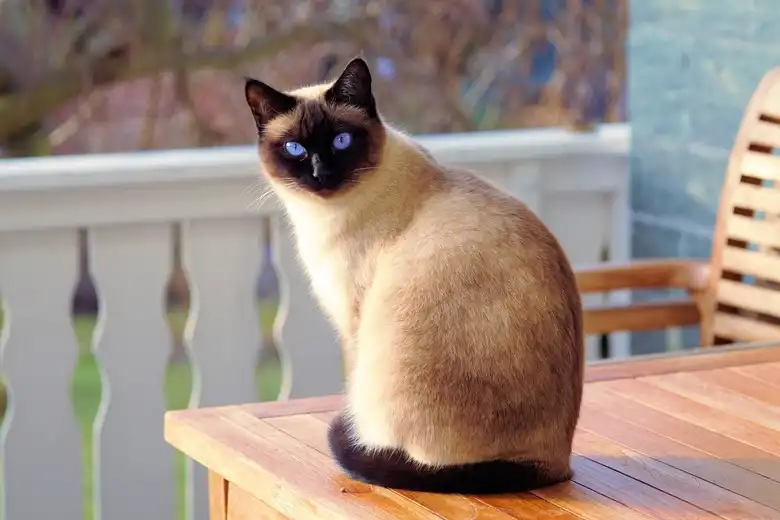
Siamese Cat Breed Characteristics
CatsCat BreedsSiamese Cat Breed CharacteristicsByKatherine MaloneUpdated Nov 11, 2022Ichad Albert / 500px/500px/GettyImages #p3879703329125bd0ea967bc307c103ac, #p3879703329125bd0ea967bc307c103ac img { aspect-ratio: 4156/2771; height: auto; } In This ArticleSiamese cat quick factsSiamese cat historySiamese cat personalitySiamese cat lifespan and health issuesSiamese cat grooming and careWelcoming a new catSiamese cat quick factsSiamese cat quick factsLength: 11 – 14 inchesWeight: Females: 5 – 8 pounds, males: 8 – 12 poundsLifespan: 15 – 20 yearsCoat length: ShortColoring: Seal point, chocolate point, blue point, or lilac point with blue eyesMore Like ThisCatsAbyssinian Cat Breed CharacteristicsCatsBengal Cat Breed CharacteristicsCatsBalinese Cat Breed CharacteristicsGrooming needs: lowFriendliness: Breed alone is not an accurate predictor of individual cats' personalities. However, Siamese cats are generally regarded as social and affectionate.The Siamese cat, sometimes called "Meezer," is one of the most recognizable cat breeds. They have a distinctive colorpoint pattern, a lean and muscular body, large ears, a wedge-shaped head, and almond-shaped, blue eyes.But their appearance isn't the only distinctive thing about these cats. They have unique personality traits and tend to be much more chatty than other cat breeds. They are both active explorers and affectionate lap cats. Therefore, consider their personality and care requirements carefully — before deciding to bring a Siamese kitten into your family.Lysandra Cook/Moment/GettyImages #e1d54ce1da267062f89b109bc60c459bd, #e1d54ce1da267062f89b109bc60c459bd img { display: block; aspect-ratio: 1.5Siamese cat historySiamese cat historyThe traditional Siamese cat originated in Siam, or what is now Thailand. They are believed to be descendants of Siam's sacred temple cats.The first Siamese cat was brought to the United States in 1878 as a gift to President Rutherford B. Hayes and his wife from Bangkok's American Consul. They became one of the original pedigreed cat breeds in the Cat Fanciers' Association (CFA) of the United States. Initially, seal point Siamese cats were recognized by the association. Seal point is the most well-known color for Siamese cats — with a cream-colored body and dark brown points. Though over time, additional color patterns were recognized by the association.The International Cat Association (TICA) has recognized the Siamese cat breed since the founding of the organization in 1979. The international association also includes the Balinese, Oriental shorthair, and Oriental longhair cat breeds in the Siamese breed group.Siamese cats have also made their mark on popular culture. They earned a mention in the 1965 Bob Dylan song, Like a Rolling Stone, and the breed has been shown in many movies. A Siamese cat played a role in "The Wizard of Oz," as well as Disney's "Lady and the Tramp," and "The Aristocats."Siamese cat personalitySiamese cat personalitySiamese cats are both social and talkative. Expect your new cat to meow and talk to you frequently. In addition, this cat breed does not like to be alone for long periods of time. They will often follow you around the home and settle in your lap once you sit down to relax. They will also snuggle up with you at night. If you work long hours or are often away on the weekend, make sure you have a pet sitter, or another pet to keep your Siamese cat company.They are also very active and intelligent cats with many dog-like traits. You can train your Siamese cat to play fetch, walk on a leash, or perform tricks. Siamese cats also enjoy interactive games and puzzle toys.They also enjoy high perches. While they are good jumpers, be sure to provide your Siamese cat with shelves and cat trees — so they can reach higher spaces — and have more room to play.Vital Hil/iStock/GettyImages #e19e1866fa5ff225cb48209fb76a9a6a4, #e19e1866fa5ff225cb48209fb76a9a6a4 img { display: block; aspect-ratio: 1.3912075681692Siamese cat lifespan and health issuesSiamese cat lifespan and health issuesThe Siamese cat breed tends to have a long life. Many cats can live into their 20s if they are healthy and receiving excellent care. In fact, the oldest male Siamese cat, Scooter, died at age 30.They tend not to have health problems, but there are a few conditions to be aware of. This cat breed tends to be more sensitive to anesthesia compared to other cats. Be sure to discuss this with your veterinarian when you take your cat in to be spayed or neutered and in advance of any other surgery.Amyloidosis is also a concern, but unfortunately, there are no tests available for breeders to screen for this disease. This condition causes problems with organ functions, (most often kidney function) due to a buildup of proteins called amyloids. Some other conditions that may affect siamese cats include:hip dysplasiachronic coughingpicaprogressive retinal atrophysome types of cancer.Siamese cat grooming and careSiamese cat grooming and careSiamese cats are a shorthair breed with minimal grooming requirements. Brushing or combing them occasionally to remove loose hair is all they need to maintain a healthy coat. However, many cats enjoy the attention and prefer more frequent grooming. Make sure to check and trim their nails each week. Brush their teeth with pet-safe toothpaste. Clean the cat's eyes and ears each week with a damp cloth.Feed the cat a high-quality commercial cat food, preferably wet food, twice per day. The amount should be recommended by your veterinarian. Make sure clean drinking water is available at all times.Esin Deniz/iStock/GettyImages #e3f149714a6691d3836e76dbd79925781, #e3f149714a6691d3836e76dbd79925781 img { display: block; aspect-ratio: 1.5Welcoming a new cat into your homeWelcoming a new cat into your homeSiamese cats may enjoy being lap cats, but they also have plenty of energy to spare for playtime. They have been known to turn on water faucets, open cabinets, and jump up onto high perches. Therefore, it is critical that you cat-proof your home. Make sure your curious cat doesn't get into anything that will harm them.Introduce your cat to a single room in the home. Set up the room with a litter box, food, water, a scratching post, and some toys. Make sure there are no hiding places where the cat might get stuck or injured. Allow your cat to explore and approach you on their own terms.If you have other pets, allow the animals to meet through the door. That way, both animals are safe and the initial meeting is a positive one. Once they are comfortable, and you are confident they will get along, you can open the door to allow them to explore more of the home.Don't force the cat to be held or petted. Siamese cats are extremely sociable, so don't leave your new Siamese kitten alone for long. Use positive reinforcement at all times with your new cat and be sure to participate in regular playtime to allow your cat to burn energy while building a positive relationship with your cat.ReferencesInternational Cat Care: SiameseThe International Cat Association: The Siamese BreedThe Cat Fanciers' Association: The Siamese
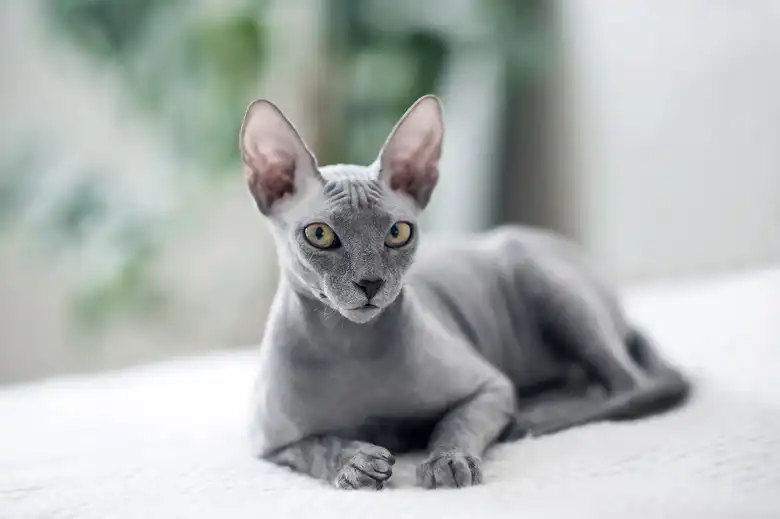
Sphynx Cat Breed Facts & Information
CatsCat BreedsSphynx Cat Breed Facts & InformationByKatherine MaloneUpdated Apr 19, 2022Nelly Senko/iStock/GettyImages #p37d2f90d214f9b87e5f3056965d74813, #p37d2f90d214f9b87e5f3056965d74813 img { aspect-ratio: 4138/2754; height: auto; }The cat breed sphynx is easily recognizable for their hairless appearance. They are a popular option for people who are allergic to cats. While the sphynx isn't actually hypoallergenic and still produces the protein that causes allergies, their lack of hair and shedding means that the allergens are less likely to be floating around the room. Some sphynx cats serve as therapy animals, a role for which they are well suited thanks to their affectionate and outgoing personality.Sphynx cat appearanceSphynx cat appearanceMany believe that there is no such thing as a haired sphynx cat, but actually, all cats of the breed have hair. It is not the normal fur that other breeds have but rather a fine, downy hair that may not be visible, but you will feel it when you pet the cat. The skin is loose and wrinkled. There are many sphynx cat colors and patterns.More Like ThisCatsList of Hairless Cat Breeds for Your Next Bald & Beautiful Cat FriendCatsTurkish Angora Cat Breed Facts & InformationCatsRagdoll Cat Breed CharacteristicsThe sphynx is a medium-size cat, with females weighing 7 to 10 pounds and males weighing 8 to 14 pounds. The cats are muscular with a full belly. They have wide, open eyes and large, hairless ears.History of the cat breed sphynxHistory of the cat breed sphynxWhat is a sphynx? The sphynx breed can be traced back to Ontario, Canada in 1966 when a hairless kitten was born as a result of inheriting a recessive trait from both parents. This cat was used to breed more hairless cats and develop the breed. The cats were originally called Canadian hairless cats but were often referred to as sphynx due to their resemblance to the Egyptian sphynx sculpture.Sphynx cat personality and temperamentSerKucher/iStock/GettyImages #pd9be4b91e432378f91004c572a29db34, #pd9be4b91e432378f91004c572a29db34 img { aspect-ratio: 3152/2455; height: auto; }Sphynx cat personality and temperamentWhile breed is not a reliable indicator of temperament, the personality of sphynx cats can be described as affectionate and outgoing. They are loyal to their owners and make excellent companions. They are also friendly and outgoing with visitors as well and may serve as a welcoming committee for your guests. The cats are alert and intelligent.Sphynx cats are very active, which can be quite entertaining for cat owners, but don't be surprised if they get into trouble knocking things off shelves and opening cabinet drawers.Sphynx care and healthSphynx care and healthThe life expectancy for a sphynx cat is 15 years or more. They are generally healthy, but the genetic condition hypertrophic cardiomyopathy is a concern in this breed. Responsible breeders should test their breeding cats and the resulting kittens for this condition. However, it may not show up in young cats, so sphynx cat owners should have their veterinarian pay close attention to the heart health of their cat.Sphynx cats don't need to be brushed, but they do need the occasional bath when their skin gets oily. Be sure to use a gentle shampoo. Since they don't have hair, extra care is needed to protect these cats. Wipe their eyes each week and clean the ears weekly to clear out the buildup of wax. Check their nails weekly and trim them as needed.Seregraff/iStock/GettyImages #e2e467084376526065410714adff0ed3f, #e2e467084376526065410714adff0ed3f img { display: block; aspect-ratio: 1.5If allowed outdoors, they are at risk of sunburn. They are also more likely to get cold since they don't have fur to insulate and warm them. Shirts or sweaters for your cat can help offer that protection. Sphynx cats tend to have strong appetites and a naturally round belly, so it is important to monitor their weight to keep them at a healthy weight.ReferencesThe Cat Fanciers' Association: CFA Breed/Color Designation ChartsThe International Cat Association: The Sphynx BreedThe Cat Fanciers' Association: About the Sphynx
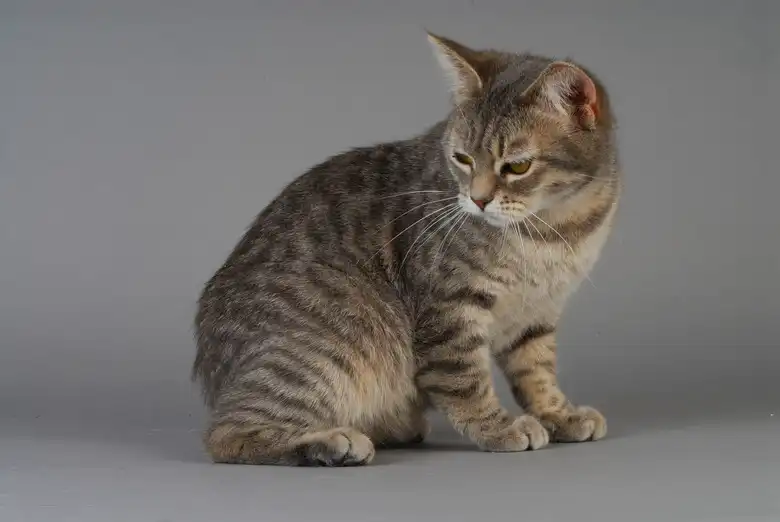
Manx Cat Breed Characteristics
CatsCat BreedsManx Cat Breed CharacteristicsByKatherine MaloneUpdated Nov 11, 2022Michel VIARD/iStock/GettyImages #p1b53918ac438315b74befacfe28fb6a5, #p1b53918ac438315b74befacfe28fb6a5 img { aspect-ratio: 3872/2592; height: auto; } In This ArticleManx cat quick factsManx cat historyManx cat personalityManx cat lifespan and health issuesManx cat grooming and careWelcoming a new catManx cat quick factsManx cat quick factsLength: 14 – 16 inchesWeight: Female 8 – 10 pounds, males 10 – 12 poundsLifespan: 12 – 16 years or moreCoat length: ShortColoring: All coat colors and coat patternsMore Like ThisCatsBurmese Cat Breed CharacteristicsCatsEgyptian Mau Cat Breed CharacteristicsCatsSnowshoe Cat Breed CharacteristicsGrooming needs: LowFriendliness: Breed alone is not an accurate predictor of individual cats' personalities. However, Manx cats are generally regarded as playful and loyal.Manx cats are easily recognizable by their lack of a tail. You will see Manx cats in every color and pattern including calico, tortoiseshell, and tabby. These adorable cats have a round shape, from their round, tailless body to their round head and round eyes.But the best thing about this breed is their personality. These medium-sized cats tend to be affectionate and loyal to their owner and they love to play, giving cat owners plenty of opportunities to laugh at their antics.slowmotiongli/iStock/GettyImages #efa3c67330cc789bdca2d00bfc08bddf8, #efa3c67330cc789bdca2d00bfc08bddf8 img { display: block; aspect-ratio: 1.5248287671233Manx cat historyManx cat historyThe Manx cat breed is believed to have originated in the Isle of Man, although they may also have come from parts of Great Britain such as England or Wales. The first image of these tailless cats dates back to 1810, although the breed is believed to be even older.Some may share tales that the Manx cat lost their cat tails when it was cut off by Noah closing the door to the ark on a cat's tail. However, the reality is that the cats have a genetic mutation that prevents the development of the vertebrae in a normal-length tail. The trait persisted as the breeding population on the island was limited and inbreeding was common.While taillessness is common for the Manx breed, it is important to note that some Manx cats do have a short, stub tail or even a full-length tail. Manx cats have different nicknames based on their tail length. For example, those who are completely tailless are called a rumpy or rumpy riser tail; those with a partial tail are called stump; ones with a short tail are called stubby; those with a long tail are called longy.There is also a type of Manx with longhair. A long-haired Manx is called Cymric. The International Cat Association (TICA) recognizes the separate breed, and it has the same standard as the Manx cat. The Cat Fanciers' Association (CFA) considers Cymric to be a part of the Manx breed.Manx cat personalityManx cat personalityManx cats love people and tend to be very affectionate. They want to be in your company, so if you frequently need to leave your cat alone for long weekends — this may not be the best breed for you. The cats also get along with children and pets. Manx cats can make a wonderful and memorable family pet.Manx cats are calm and even-tempered, but that doesn't mean they don't like to play. They can be quite active and some describe the cats as clownlike. They are athletic and can turn quickly as they race through the house. They are also very intelligent. You may find your Manx cat opening doors and investigating the highest shelves.Manx cats also have some dog-like behaviors. It is not uncommon for a Manx to play fetch. Some cats who have access to a garden will even bury their toys. While many Manx cats will share affection with all of your family members, it is not uncommon for a cat to bond more strongly with a single family member.Angie Selman / EyeEm/EyeEm/GettyImages #ec984c9a9f1661c3b281e2bd19d83bd6a, #ec984c9a9f1661c3b281e2bd19d83bd6a img { display: block; aspect-ratio: 1.3333333333333Manx cat lifespan and health issuesManx cat lifespan and health issuesManx cats that are in good health and receive excellent care can live for 16 years or more. They tend to be very healthy cats; however, there are some health problems to be aware of with this breed. The main issues are related to the complications of being a tailless cat. The tailless gene is a dominant gene, so a Manx cat only needs one copy to be a tailless Manx. Unfortunately, kittens with two copies of the gene do not survive.One major concern is Manx syndrome, which is a type of spina bifida caused by the malformed or severely shortened vertebrae in the spine. Symptoms can vary depending on the type and severity of the spinal abnormality. Symptoms can include:urinary issues such as incontinence and other problems.abnormal limb function of a cat's hind legs can become either partially paralyzed or have abnormal gaitrectal issues stemming from a megacolon and rectal prolapseUnfortunately, there is no cure for Manx syndrome. However, you can offer supportive care to cats suffering from the syndrome.Manx cat grooming and careManx cat grooming and careManx are shorthair cats with a double coat. The thick coat contributes to the rounded look of the breed and is very easy to care for. Simply brush the cat a couple of times per week to remove the loose fur. Cymric cats need more frequent brushing to keep their long coat free of tangles and mats. It is important to take care when grooming around the hind end — there may be exposed nerves where the vertebrae end.As with all cats, be sure to trim their nails regularly and brush their teeth with veterinarian-approved toothpaste. It is recommended to feed Manx cats canned cat food twice per day to help keep them hydrated. Be sure to always give them clean drinking water as well.Aletakae/iStock/GettyImages #e047e86831fb6f8edd7ff9cfb65769b20, #e047e86831fb6f8edd7ff9cfb65769b20 img { display: block; aspect-ratio: 1.5Welcoming a new cat into your homeWelcoming a new cat into your homeManx cats may have an even temperament, but it is still important to cat-proof your home. Put away anything that may harm your cat, including plants that may be dangerous to pets. While a kitten may not be able to reach a toxic plant on a high shelf, it won't be long before your Manx will develop the strength to reach high places.Keep your cat confined to a single room when you first bring them home. As they grow more comfortable, you can open doors and allow them to access more of the home. Spend time with your new cat but don't force your cat to play or be petted. Instead, talk to them, offer to play with toys, and pet them only when they approach you. Always use positive reinforcement when training. Consider teaching them tricks to stimulate their mind and keep them focused on you.Of course, you want to cuddle with your new pet. Though having patience will pay off as you develop a trusting relationship with your cat. If you have other pets in the home, introduce them slowly to make sure it is a positive experience for all.ReferencesVeterinary Partner: Manx Syndrome in CatsInternational Cat Association: Manx At A GlanceCat Fanciers' Association: The Manx Cat – Cymric (Longhair Manx)
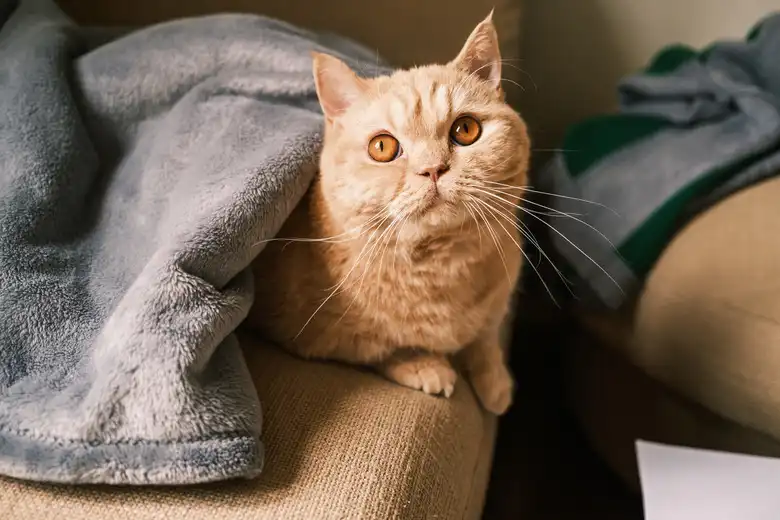
Munchkin Cat Breed Characteristics
CatsCat BreedsMunchkin Cat Breed CharacteristicsByKatherine MaloneDec 3, 2022 12:03 pm ESTVivien.x.Li/Moment/GettyImages #p3c83d09b6af7b4e6f8e6ec2992dbb07e, #p3c83d09b6af7b4e6f8e6ec2992dbb07e img { aspect-ratio: 6240/4160; height: auto; } In This ArticleMunchkin cat quick factsMunchkin cat historyMunchkin cat personalityMunchkin cat lifespan & health issuesMunchkin cat grooming and careWelcoming a new catMunchkin cat quick factsMunchkin cat quick factsLength: 11 – 14 inches longWeight: Females: 5 – 7 pounds, Males: 7 – 10 poundsLifespan: 15 – 18 yearsCoat length: Short or longColoring: All coat colors and patternsMore Like ThisCatsBengal Cat Breed CharacteristicsCatsEgyptian Mau Cat Breed CharacteristicsCatsBritish Shorthair Cat Breed CharacteristicsGrooming needs: Low to mediumFriendliness: Breed alone is not an accurate predictor of individual cats' personalities. However, munchkin cats are generally regarded as affectionate and curious.Munchkin cats live up to their name with their short legs and small stature. They are often compared to dachshunds as their body is so much longer than their legs. The munchkin is not a legally recognized breed by most organizations including the Cat Fanciers' Association, as there are a number of health and welfare concerns associated with the breed. In fact, only the International Cat Association (TICA) and the Southern Africa Cat Council recognize the breed.Despite the controversy, the munchkin cat's adorable appearance and friendly and affectionate personality are sure to capture your heart. Carefully consider the breed's personality and care requirements before deciding to welcome one of these short-legged cats into your home.Qi Yang/Moment/GettyImages #e65426de43e735b574ea786d7ddd9d883, #e65426de43e735b574ea786d7ddd9d883 img { display: block; aspect-ratio: 1.5Munchkin cat historyMunchkin cat historyThe munchkin cat breed's official history starts in 1983 when a woman named Sandra Hochenedel found an abandoned, pregnant cat that was later named Blackberry. Some of the kittens in the litter had short legs and Hochenedel gave one of these male kittens, named Toulouse, to Kay LaFrance. The two later bred Toulouse and Blackberry, which was the beginning of the munchkin cat breed.Although it is a fairly new breed to the few organizations that recognize it, short-legged cats are not new. While not common, short-legged kittens have been reported by veterinarians and breeders around the world.The short legs are the result of a natural genetic mutation. It is passed on to kittens through an autosomal dominant gene. This means that the kitten only needs one copy of the gene to display the shortened leg length. In order to increase genetic diversity, breeders allow outcrosses to other domestic cats.Munchkin cats were named after the munchkins in "The Wizard of Oz" by L. Frank Baum. They have several nicknames including:kangaroo catsausage catmagpieAlthough this breed of cat looks small due to their short stature, they are generally medium-sized cats with a normal body length. They have a long back relative to their height, though, similar to dog breeds such as dachshunds and corgis. The breed may be short or long-haired and there are no restrictions on coat color or pattern.Munchkin cat personalityMunchkin cat personalityThe munchkin cat is friendly and affectionate. They are not only loving towards family members but they also tend to be friendly and sociable with strangers as well. Their open nature makes them a good choice if you are looking for a cat that will fit in with children and other pets.The breed tends to be very loving and loves cuddling and a good snuggle while you are relaxing. They are also quite playful and curious. They love to chase toys and run around the house. They enjoy jumping but the munchkin's short legs aren't able to jump as high as other cats. They also have a very curious nature and it is not uncommon to see a munchkin cat standing on their hind legs.Many munchkin cats also have an interesting quirk that has earned them the nickname magpie. The cats are attracted to shiny objects and will collect and stash them whenever they can.Nazra Zahri/Moment/GettyImages #e04c547bf05f19651995951553c6ab604, #e04c547bf05f19651995951553c6ab604 img { display: block; aspect-ratio: 1.4461315979754Munchkin cat lifespan and health issuesMunchkin cat lifespan and health issuesHealthy munchkin cats can live for 15 to 18 years or more. Responsible breeders will outbreed their munchkin cats with other domestic long or short hair cats to help prevent health issues.One genetic health problem that affects the breed is called lordosis, a spinal problem that causes the spine to dip in the front of the shoulder blades. This can cause mild or severe symptoms that are caused by the malformed spin compressing the cat's internal organs. If the lordosis is mild, cats may breathe shallowly or have shortness of breath. More severe cases can become painful and, in some cases, even fatal.Munchkin cat grooming and careMunchkin cat grooming and careMunchkin cats require only minimal grooming to remove any loose hair. Short-haired munchkins should be groomed once per week while long-haired munchkins need to be groomed at least twice per week to prevent matting. Some cats will also benefit from an occasional bath with a gentle shampoo designed for cats.Check and trim the cat's nails regularly and brush their teeth with veterinarian-approved toothpaste for cats. Feed a high-quality commercial cat food as directed by your veterinarian and make sure fresh drinking water is available at all times. Select food and water dishes with low sides so that the short-legged cats can eat and drink easily.TAO EDGE/iStock/GettyImages #e62f64d0765598d705929312ba1c8a675, #e62f64d0765598d705929312ba1c8a675 img { display: block; aspect-ratio: 1.5Welcoming a new cat into your homeWelcoming a new cat into your homeBefore bringing a munchkin kitten into your home, take some time to cat-proof your home and purchase all of the supplies your new cat will need. This includes:food and water disheslitter boxscratching postcat treetoysMake sure you remove anything that may be dangerous to your cat, including any harmful plants. While munchkin cats may not be able to jump to high shelves like other cats, they may find a way to climb up if there is a path available, so make sure everything on your shelves and tables are cat safe. Keep in mind munchkins enjoy shiny objects, so put away any jewelry or small collectibles.When you first bring your kitten home, put them in a single room where they can safely explore and get used to the new sights, sounds, and scents. Allow the cat to approach you when they are ready rather than holding them still to be petted. Spend plenty of time with the cat and always use positive reinforcement.If you have children or other pets in the home, introduce them to the new munchkin cat. Once your cat is comfortable with the room, you can open the door to allow them access to more of the house. Before you know it, your munchkin cat with be an active and loving part of the family.ReferencesThe International Cat Association: The Munchkin BreedAll About Cats: Munchkin Cat
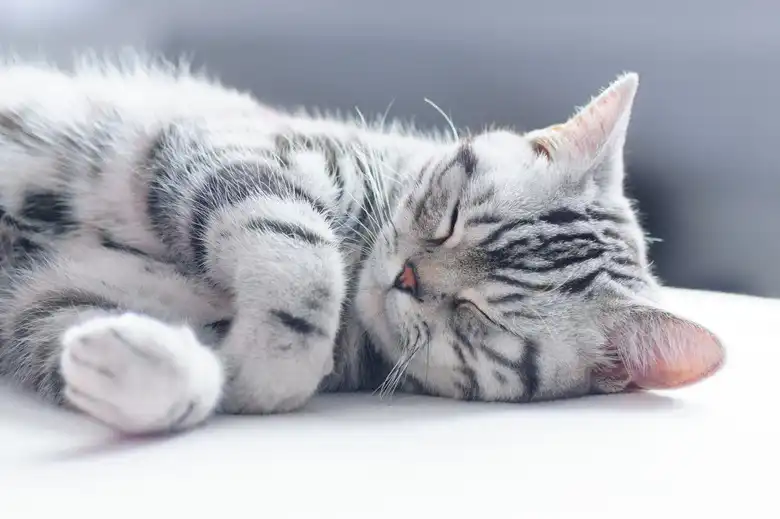
American Shorthair Cat Breed Characteristics
CatsCat BreedsAmerican Shorthair Cat Breed CharacteristicsByKatherine MaloneFeb 7, 2023 12:03 pm ESTThomas Hertwig / EyeEm/EyeEm/GettyImages #ped54ff30c1840a40f3fd11f070dfb29c, #ped54ff30c1840a40f3fd11f070dfb29c img { aspect-ratio: 5069/3379; height: auto; } In This ArticleAmerican shorthair quick factsAmerican shorthair cat historyAmerican shorthair cat personalityAmerican shorthair cat lifespan & health issuesAmerican shorthair cat grooming & careWelcoming a new catAmerican shorthair quick factsAmerican shorthair quick factsLength: 12 – 17 inchesWeight: Females: 6 – 12 pounds, Males: 11 – 15 poundsLifespan: 12 – 17 yearsCoat length: ShortColoring: All coat colors and patterns except for pointedMore Like ThisCatsAmerican Wirehair Cat Breed CharacteristicsCatsBirman Cat Breed CharacteristicsCatsAmerican Bobtail Cat Breed CharacteristicsGrooming needs: LowFriendliness: Breed alone is not an accurate predictor of individual cats' personalities. However, American shorthair cats are generally regarded as friendly and easygoing.The American shorthair has earned their place as one of the most popular cat breeds. They are beautiful animals with a compact and muscular build. They also have a winning personality and the adaptability to fit in with a variety of home situations, including those with children and other pets. The breed tends to be very healthy and long-lived. Consider the breed's personality and care requirements to decide whether the American shorthair is right for you.borchee/iStock/GettyImages #e30f7e1231a8c32368511c65af894f389, #e30f7e1231a8c32368511c65af894f389 img { display: block; aspect-ratio: 1.5American shorthair cat historyAmerican shorthair cat historyThe American shorthair cat breed, historically known as the domestic shorthair, was featured in cat shows in the early 1900s. The breed was of the first five breeds to be recognized by the Cat Fanciers' Association (CFA) in 1906. The breed started as working cats that were brought to North America from Europe. They were brought to the new world on ships, such as the Mayflower, to hunt vermin such as rats.These medium-sized cats have muscular bodies, short, dense coats, and round faces. While the tabby coat pattern is most common, the breed comes in many different colors and patterns. These include:solid colors (including white, black, and blue)tabby patterns (in different colors including brown tabby and silver tabby)tortoiseshellcalicocameoBreeders are not permitted to outcross purebred American shorthair cats to other breeds. Traits that give the appearance of outcrossing, such as the pointed coat pattern seen in Siamese cats, are disqualifying under the American shorthair breed standard.American shorthair cat personalityAmerican shorthair cat personalityThe American shorthair cat is laid-back and friendly and a great addition to any family. They do well with people of all ages, including young children. American shorthair cats also tend to get along with other pets in the household. These sweet-natured cats love to be an active part of the family and enjoy cuddling with their families.They aren't couch potatoes, though. This breed of cat tends to be extremely curious and they love to climb. Therefore, consider adding shelves or a tall cat tree to direct their energy away from your curtains and shelves. The cats are quite trainable and you can teach them to play fetch or perform other tricks. Be sure to use plenty of positive reinforcement when teaching them.Kilito Chan/Moment/GettyImages #ed41a6b4d8f8a60f81fd480bf0f550ec3, #ed41a6b4d8f8a60f81fd480bf0f550ec3 img { display: block; aspect-ratio: 1.4998867497169American shorthair cat lifespan and health issuesAmerican shorthair cat lifespan and health issuesA healthy American shorthair cat receiving proper care can live well into their teens. The breed is known to be healthy and hardy and is not generally affected by any genetic health problems. Some cats may have problems such as:hip dysplasia: a condition in which the ball and socket of the hip joint don't properly fit togetherhypertrophic cardiomyopathy: a type of heart disease that causes the heart wall to thickenobesityIt is important to keep your cat up-to-date with all of the recommended vaccinations. To keep your cat healthy, take them in for an annual check-up with the veterinarian to monitor the cat's weight and catch any potential health concerns early.American shorthair cat grooming and careAmerican shorthair cat grooming and careThe American shorthair cat is a low-maintenance breed. They simply require a weekly brushing or combing to remove any loose fur from their coat. While not strictly necessary, as most cats can groom their own coat enough to keep it soft and healthy, regular grooming can help to reduce the amount of fur on your furniture and floors and reduce hairballs.Other regular grooming tasks include:checking and trimming the cat's nailschecking and cleaning the cat's earsbrushing the cat's teeth with veterinarian-approved toothpasteFeed your cat high-quality commercial cat food in the amount recommended by your veterinarian. Since cats of this breed are prone to becoming overweight, avoid free feeding and limit the number of treats you offer the cat each day. Make sure there is clean, fresh drinking water available at all times.Cats have a natural instinct to scratch, so provide a scratching post. Make a point to engage in regular playtime with your cat. You can use teaser wands or other interactive toys that let your cat embrace their natural hunting instincts. The activity not only helps your cat maintain a healthy weight, but it also helps provide the mental stimulation necessary to keep your cat happy.Mytruestory Photography/Moment/GettyImages #ec980c2f660b9ca9fa0444bf16cf0328e, #ec980c2f660b9ca9fa0444bf16cf0328e img { display: block; aspect-ratio: 1.4980079681275Welcoming a new cat into your homeWelcoming a new cat into your homeBringing home your new American shorthair kitten or cat is an exciting day for the entire family. Before you bring them into the household, ensure the home is safe and ready for their arrival. Cat-proof your home and remove anything that may be dangerous or harmful to your new cat such as poisonous houseplants. Remember that these cats are curious and like to climb and jump to high perches, so it is important to also cat-proof areas like to top of bookshelves and the top of your refrigerator.Set up a single room where your new cat can adjust to their new surroundings in a safe space. Equip the room with everything your cat needs including:food and waterlitter boxscratching postcat treecat toysAmerican shorthairs love people so spend plenty of time in the room with your new cat so they aren't alone for long. However, don't push them to explore before they are ready. Allow the cat to come to you for petting and cuddles when they are ready.If you have children and other pets in the home, this is a good time to make introductions slowly. That way your new cat has a safe place to retreat to if they get overwhelmed. Once your cat is comfortable with the environment and any other pets, you can open the door and allow them access to more of the home. Before you know it, this friendly cat will be an active member of your household.ReferencesCat Fanciers' Association: About the American Shorthair