- Pet Parenting
- Hacks
Keep Cats Off Your Houseplants With One Ingredient From The Kitchen
ByJessica DesrosiersDec. 16, 2024 9:25 am EST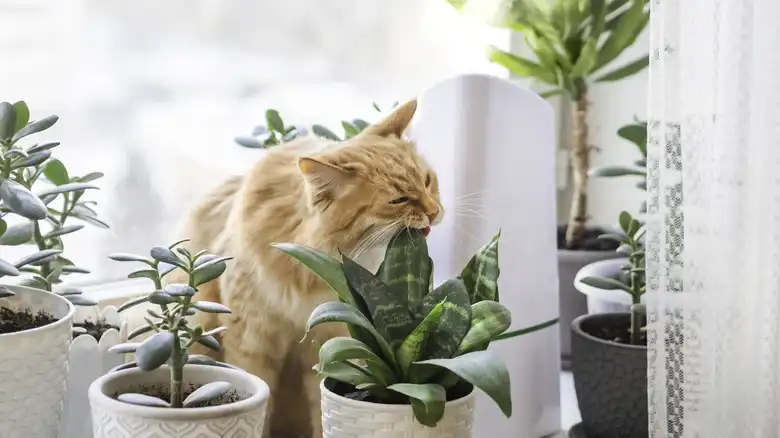
You just brought home a brand new, beautiful houseplant, only to find your cat digging away in the soil and munching on the leaves. You only turned your back for a few moments; yet, there they are, destroying your chances of ever developing a green thumb. Do they have a plant radar or something?
As it turns out, cats love to use their mouths to investigate their surroundings. The wiggling of houseplant leaves, combined with the fun, diggable dirt may just be too enticing for your kitty to avoid. However, this natural instinct can be dangerous for your feline, as many indoor plants are poisonous to cats if eaten. Luckily, there's a simple solution right in your kitchen that can deter cats from houseplants: lemons. The strong citrus scent combined with your kitty's heightened sense of smell typically makes the fruit unpalatable to them, keeping them far away from whatever you place the lemon near.
To try the hack at home, take an unpeeled lemon, cut it into slices, and put the pieces in the dirt around the plant you wish to protect. The aroma diminishes over time, so it's a good idea to replace the lemons after they've dried out or stopped emitting a scent. According to PetMD, you can also create a spray that serves the same purpose by boiling 3 cups of water, turning off the heat and steeping a ½ cup of fresh rosemary in the water overnight, straining the rosemary out, and combining the herb-infused water with ¾ cup distilled white vinegar and ¼ cup lemon juice in a spray bottle. Give it a shake and then spritz it on your plants (or even your Christmas tree).
What to consider before using lemon as a cat deterrent
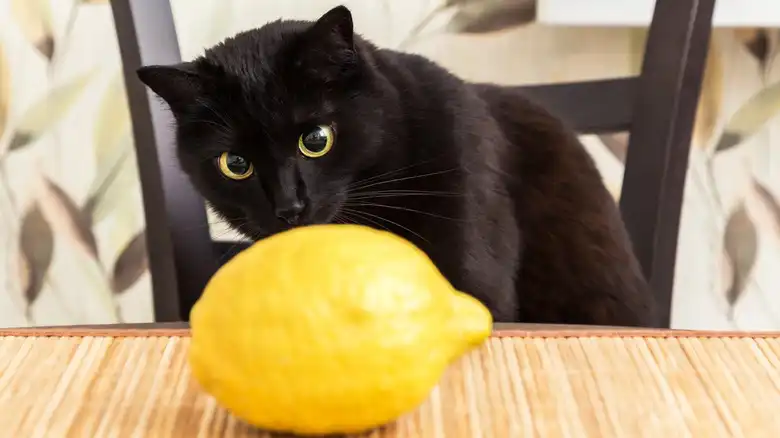
Citrus fruits contain chemicals that can be poisonous to cats. One ingredient, psoralen, can cause skin irritation and dermatitis if a feline is exposed to the juice. Lemon also contains the essential oils limonene and linalool, which are most concentrated in the peel. These irritants can lead to digestive issues such as vomiting, diarrhea, drooling, and neurologic problems if eaten in large amounts.
Thankfully, per Wag's Dr. Linda Simon, most cats will avoid citrus scents, and it takes a very large amount of lemon ingestion to cause severe symptoms. If you are concerned, using a quick-drying spray or peeling your lemons before adding them to your plants may help. In most cases, your cat will be deterred enough by the scent to steer clear of taking a bite. However, if they do eat part of any citrus fruit, you should seek help from a veterinary professional immediately. If your feline is somehow enticed by lemon, trying out other houseplant hacks for cats like the aluminum foil trick may work better.
Categories: Cat Breeds Cat Names Cat Training